How Loud Is A Rowing Machine?
A rowing machine’s noise level varies significantly by type, ranging from a quiet whisper to a noticeable whir or whoosh.
Air rowers are generally the loudest, while magnetic and water rowers tend to be much quieter, influencing your choice depending on your living space.
- Air rowers are the loudest, often sounding like a strong fan, reaching 70-90 decibels.
- Water rowers produce a soothing swishing sound, typically between 60-80 decibels.
- Magnetic rowers are the quietest option, often near silent, staying in the 40-60 decibel range.
- Your rowing technique and regular machine maintenance also play a big part in the overall noise generated.
- Consider your environment and personal preference to find a rowing machine that fits your lifestyle.
How Loud Is A Rowing Machine?
Understanding how loud a rowing machine is means looking at its design. The noise level depends mostly on the resistance type it uses. We found that some models are whisper-quiet, perfect for an apartment, while others can be quite vocal, like a robust fan.
Choosing the right rower often comes down to balancing your workout goals with your living situation. Are you a night owl needing a silent sweat session? Or do you have a dedicated gym space where noise isn’t a concern?
Understanding the Types of Rowing Machine Noise
Not all rowing machines are created equal when it comes to sound. Each resistance type offers a unique auditory experience. Let’s dive into the common categories and what you can expect to hear from each.
Knowing these differences will help you make an informed decision. It’s not just about how it feels, but also how it sounds in your home.
Air Rowers: The Fan Favorite (and Loudest)
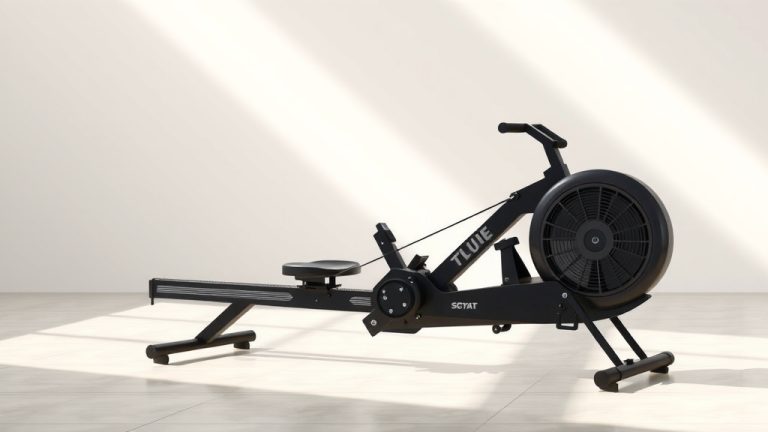
Air rowers, like the popular Concept2, generate resistance using a spinning flywheel. This mechanism creates a distinct whooshing sound, similar to a powerful fan. The harder you row, the louder it gets.
These machines can reach noise levels of 70 to 90 decibels. For context, this is comparable to a vacuum cleaner or a busy street. They are great for serious training but might not be ideal for shared spaces (Consumer Reports).
Water Rowers: The Serene Splash
Water rowers use actual water to create resistance, mimicking the feel of rowing on water. The sound they make is a distinctive, soothing swish and splash. Many users find this sound quite enjoyable and meditative.
Typically, water rowers produce noise in the 60 to 80 decibel range. This is often compared to a normal conversation or a quiet air conditioner. It’s generally much quieter than an air rower but still provides auditory feedback.
Magnetic Rowers: The Silent Partner
Magnetic rowers use a magnetic brake system for resistance, which means they are incredibly quiet. There’s no spinning fan or splashing water involved. You’ll mostly hear the seat gliding along the rail.
These are often the go-to choice if noise is your top concern, operating at around 40 to 60 decibels. This noise level is like a quiet office or soft background music. Many experts say they are ideal for apartments or late-night workouts.
What Do Decibel Levels Really Mean?
Decibels (dB) measure sound intensity. A small increase in decibels can mean a big difference in how loud something feels. For instance, every 10 dB increase represents a sound that’s roughly twice as loud to our ears.
Understanding these numbers helps set realistic expectations. A machine at 70 dB will feel noticeably louder than one at 50 dB, even if the numbers don’t seem far apart.
| Rowing Machine Type | Typical Noise Range (dB) | Comparable Sound |
|---|---|---|
| Air Rower | 70-90 dB | Vacuum cleaner, garbage disposal |
| Water Rower | 60-80 dB | Normal conversation, washing machine |
| Magnetic Rower | 40-60 dB | Quiet office, refrigerator hum |
Beyond the Machine: Other Noise Factors
While the type of resistance is key, it’s not the whole story. Several other elements can add to or subtract from the overall noise your rowing machine produces. Let’s look at what else might be making a racket.
Considering these additional factors can help you achieve a quieter workout. Sometimes, the solution isn’t just a new machine, but a few simple adjustments.
Your Rowing Technique: A Surprising Factor
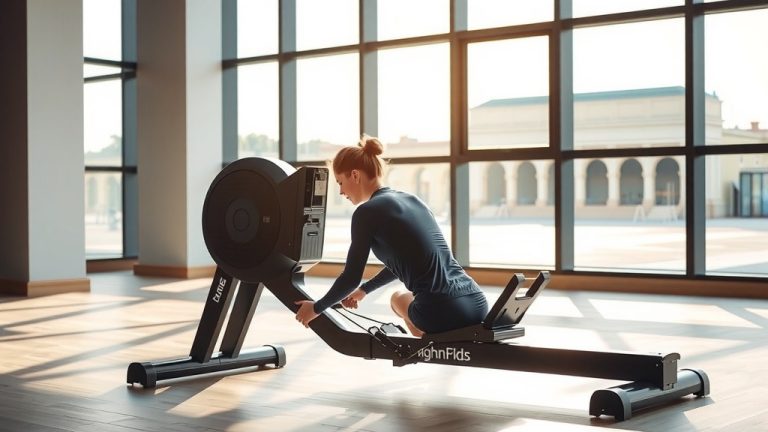
Believe it or not, how you row can impact the noise. A smooth, controlled stroke with proper form generally results in less noise. Jarring movements, slamming the seat, or erratic pulls can amplify sound.
Focusing on a fluid motion and strong core engagement can help. Think of it like driving a car smoothly versus aggressively. A smoother ride makes less noise.
The Importance of Regular Maintenance
Just like any piece of equipment, a rowing machine needs care. Loose screws, worn-out parts, or a dirty rail can all contribute to rattling and squeaking. We found that regular maintenance significantly reduces unwanted sounds.
Check the manual for recommended cleaning and lubrication schedules. Keeping the seat clean and the chain oiled (if applicable) can make a world of difference (manufacturer guidelines).
Your Workout Environment Plays a Role
Where you place your rowing machine also matters. A hard, uncarpeted floor can allow sound to echo and transmit vibrations. This can make even a relatively quiet machine seem louder.
Consider placing your rower on a mat or a carpeted area. This acts as a sound dampener, absorbing vibrations and reducing ambient noise. Even a thin yoga mat can help reduce noise.
Choosing Your Quiet Companion
With so many options, how do you pick the right one for your home? Think about your personal space and who else might be nearby when you’re working out. Your choice will depend on your specific needs.
There’s a perfect rowing machine for everyone, whether you live alone or with a house full of sleeping family members.
Ideal for Apartments and Shared Spaces
If you live in an apartment, a magnetic rower is likely your best bet. Its near-silent operation means you can exercise at any hour without disturbing neighbors or roommates. Even late-night workouts become possible.
Water rowers can also be a good option if you enjoy the calming splash and don’t mind a little background sound. Air rowers are generally less suitable for these environments due to their volume.
Best for Your Dedicated Home Gym
For those with a separate home gym or a space where noise isn’t a primary concern, any type of rower can work. Air rowers offer a very challenging workout and are popular in many gyms for good reason.
Here, your choice can lean more towards factors like workout feel, data tracking, or overall durability. The noise becomes less of a deciding factor when you have the freedom to make some sound.
Practical Ways to Reduce Noise
Already own a rower or just want to make sure your new one stays quiet? There are steps you can take to minimize sound. These tips can help you enjoy a peaceful workout experience.
Even small changes can make a big impact on your rowing machine’s noise level. Here’s a quick checklist:
- Place a thick mat or rug underneath your machine to absorb vibrations.
- Regularly clean the seat rail and apply lubricant if recommended by the manufacturer.
- Tighten any loose bolts or screws on the frame.
- Ensure your rowing technique is smooth and controlled, avoiding jerky movements.
- Check the flywheel or water tank for any obstructions or unusual sounds.
Conclusion
The noise level of a rowing machine is a key consideration that largely depends on its resistance type. Air rowers are the loudest with their distinctive whoosh, water rowers offer a soothing splash, and magnetic rowers are remarkably quiet. Beyond the machine itself, your rowing technique, maintenance habits, and workout environment all play a part in the overall sound experience. By understanding these factors, you can choose a rower that fits perfectly into your home and lifestyle, ensuring a peaceful and effective workout every time.
What is the quietest type of rowing machine?
The quietest type of rowing machine is typically a magnetic rower. It uses magnetic resistance, which creates minimal noise, often only the sound of the seat gliding on the rail. This makes it ideal for apartments or homes where silence is preferred during workouts.
Can I make my air rower quieter?
While an air rower will always produce a distinct whooshing sound, you can reduce its perceived loudness. Place it on a thick rubber mat to absorb vibrations, ensure it’s on a level surface, and keep the flywheel clean. Regular maintenance can also prevent any squeaks or rattles.
Does a water rower’s noise change with intensity?
Yes, the noise from a water rower does change with intensity. The faster and harder you pull, the more water is displaced, resulting in a louder, more pronounced swishing sound. However, many users find this sound to be a pleasant, consistent white noise rather than disruptive.
How often should I maintain my rowing machine to keep it quiet?
The frequency of maintenance depends on your usage. For regular use (3-5 times a week), we found that cleaning the seat rail weekly and performing a general check for loose bolts monthly helps significantly. Lubricate parts according to your manufacturer’s recommendations, usually every few months.
Is a noisy rowing machine a sign of damage?
Not always. The inherent design of air and water rowers means they will naturally produce noise. However, new, unusual squeaks, grinding, or banging sounds can be a sign of loose parts, a lack of lubrication, or potential damage. If you notice a sudden change in noise, it’s wise to inspect your machine.