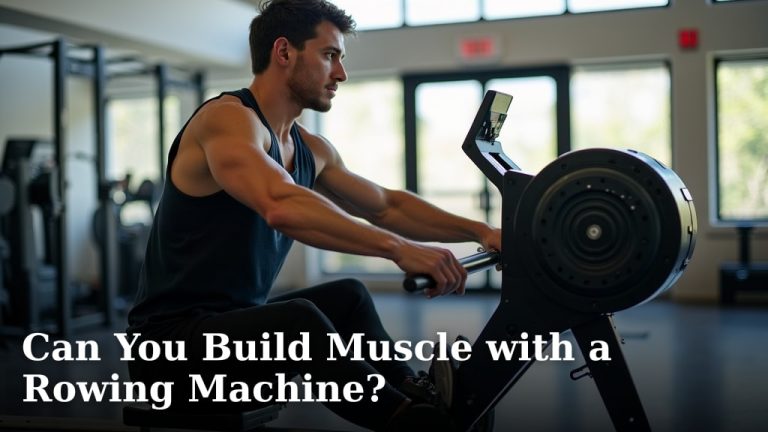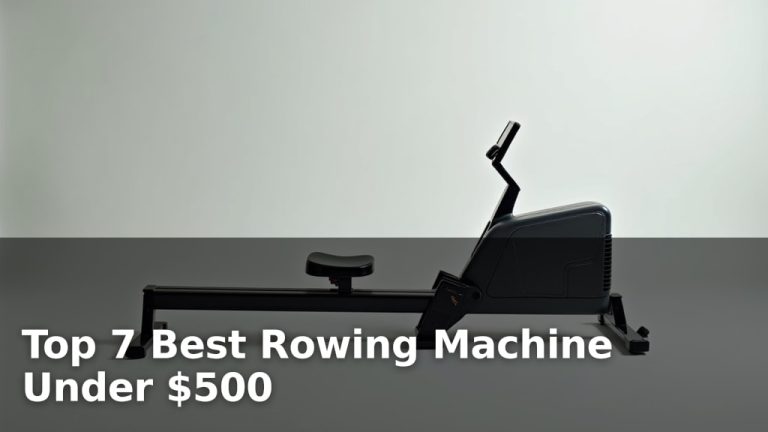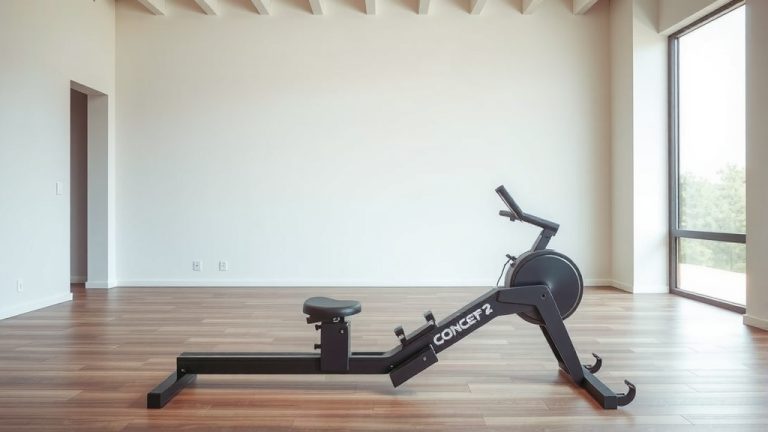
Which Muscles Does A Rowing Machine Work?
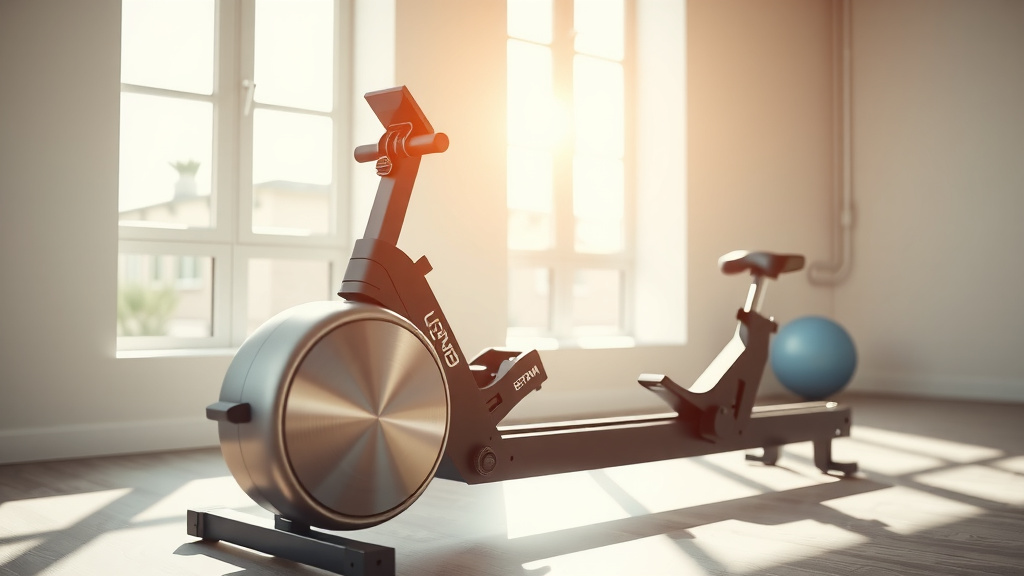
A rowing machine works nearly 85% of your body’s muscles, targeting both the upper and lower body for a complete workout.
You engage your legs, core, back, and arms, making the rowing machine an incredibly efficient tool for full-body strength and cardiovascular fitness.
- Rowing machines engage almost 85% of your body’s muscles.
- You primarily activate your legs, glutes, core, back, and arms.
- It provides a powerful, low-impact full-body workout.
- Proper form ensures maximum muscle activation and injury prevention.
- Beyond muscles, it significantly boosts heart health and posture.
Which Muscles Does A Rowing Machine Work?
A rowing machine provides a fantastic full-body workout, engaging your leg, core, and upper body muscles simultaneously.
It’s a dynamic exercise that builds strength and cardiovascular fitness effectively.
A Full-Body Powerhouse on the Water
Imagine pushing off from the water with strong legs, then pulling the oar with your back and arms.
That feeling of power on a rowing machine activates a remarkable number of muscles.
Many experts say it’s one of the few exercises that truly offers a full-body challenge (American Council on Exercise).
Phase One: The Catch – Setting Up for Power
This is where you coil up, ready to explode. Your shins are vertical, and your arms are straight.
While not a strong muscle activation phase, your hamstrings and calves are stretched, preparing for the drive.
Your core muscles are also ready to brace for the upcoming effort.
Phase Two: The Drive – The Engine Room
This is where the magic happens and where most of your power comes from. You push with your legs first.
Your quadriceps, glutes, and hamstrings work hard to extend your legs.
As your legs push, your back and core then begin to engage powerfully.
Phase Three: The Finish – Holding Your Power
At the very end of the stroke, your legs are straight, and you lean slightly back.
Your lats, rhomboids, and biceps pull the handle towards your abdomen.
Your core muscles are still working to stabilize your torso throughout this powerful action.
Phase Four: The Recovery – Gliding Back
After the finish, you extend your arms away, then hinge forward from your hips.
Finally, your knees bend to slide the seat back towards the front of the machine.
This phase is less about power and more about control, letting your core and hamstrings guide you smoothly.
Targeting Every Major Muscle Group
Rowing doesn’t just touch on muscles; it gives them a serious workout.
You might be surprised by how many different parts of your body are working together.
It’s like a symphony of muscles, all performing their part to create one smooth, powerful stroke.
Legs, Glutes, and Hips: Your Powerful Push
When you start the drive phase, your legs are your primary movers.
The quadriceps (thighs) push you back, while your glutes (buttocks) and hamstrings contribute significantly to this powerful extension.
Research often connects strong leg drive on a rower with better athletic outcomes (NIH).
Core and Back: The Anchors of Strength
Your core, including your abdominal muscles and obliques, keeps you stable.
Your back muscles, especially your lats (latissimus dorsi) and rhomboids, are crucial for the pulling motion.
A strong back is vital for good posture and preventing everyday aches, we found.
Arms and Shoulders: Pulling it All Together
While often mistaken as an arm-dominant exercise, your arms come into play later in the stroke.
Your biceps and triceps contract to pull the handle, supported by your deltoids (shoulders).
They work as finishing muscles after the powerful leg and back drive.
Why Rowing Excels for Muscle Development
Beyond just working muscles, rowing offers some unique benefits compared to other forms of exercise.
It’s not just about what muscles work, but how effectively they work together.
Think of it as a coordinated effort that builds overall physical readiness.
Strength and Cardio in One Go
Do you ever wish you could get both a strength workout and cardio done at once?
Rowing lets you do exactly that, building muscle and improving your heart health simultaneously.
This dual benefit means more results in less time for you.
A Low-Impact Exercise for All Bodies
Unlike running, rowing places very little stress on your joints, like knees and ankles.
This makes it a perfect option if you have joint sensitivities or are simply looking for a gentler workout.
Many guidelines point to low-impact activities for sustained fitness over a lifetime (Mayo Clinic).
Maximizing Your Muscle Engagement: Form is Key
To get the most out of every stroke and truly engage all those muscles, proper form is essential.
Without good technique, you might favor certain muscle groups and miss out on the full-body benefits.
Let’s check if your form is setting you up for success:
- Push with your legs first, not your arms or back.
- Keep your core engaged and your back straight.
- Hinge from your hips, don’t round your lower back.
- Arms extend first on the recovery, then your body leans forward.
- Maintain a controlled pace; don’t rush the recovery.
- Keep your gaze forward, not down at your feet.
A Quick Look: Muscles Engaged During Each Stroke Phase
Here’s a simple table to show you which primary muscles are active during each part of the rowing stroke.
Remember, all muscles work together, but some take the lead at different times.
| Stroke Phase | Primary Muscles Engaged | Key Action |
|---|---|---|
| The Catch | Hamstrings, Calves, Core | Preparation, Core Bracing |
| The Drive | Quadriceps, Glutes, Hamstrings | Leg Extension, Power Push |
| The Finish | Latissimus Dorsi, Rhomboids, Biceps, Triceps, Deltoids | Back Pull, Arm Pull |
| The Recovery | Hamstrings, Core | Controlled Return, Body Hinge |
Conclusion
The rowing machine is truly a powerhouse for your fitness journey, offering a nearly full-body workout every time you use it.
You activate your legs, core, back, and arms, building both strength and stamina without stressing your joints.
By focusing on proper form, you can unlock its full potential, leading to a stronger, fitter you.
What percent of your body does a rowing machine work?
A rowing machine is highly efficient, engaging approximately 85% of your body’s muscles in a single workout. It is one of the most complete forms of exercise you can do.
Is rowing good for belly fat?
Yes, rowing can be excellent for reducing belly fat. It burns a significant number of calories and builds muscle, both of which contribute to overall fat loss, including around your midsection.
Is rowing a better workout than running?
Neither is inherently “better,” as they offer different benefits. Rowing provides a full-body, low-impact workout, building both strength and cardio. Running is a high-impact, leg-focused cardio exercise. Your choice depends on your fitness goals and joint health.
Can rowing machines build muscle mass?
While rowing primarily offers muscular endurance and tones muscles, it can contribute to building some muscle mass, especially in beginners or if you incorporate high-resistance intervals. For significant mass, combining it with dedicated strength training is often recommended.
How long should a beginner row for?
If you’re new to rowing, start with 10-15 minutes, three times a week, focusing on good form. You can gradually increase your duration and intensity as your fitness improves, working towards 20-30 minute sessions.