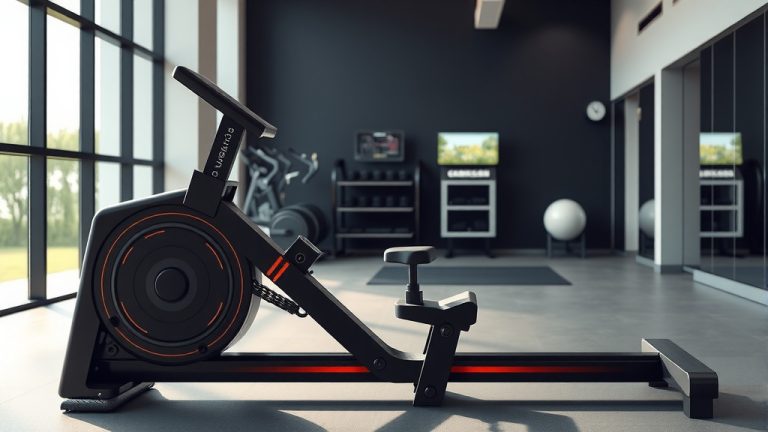
Is A Rowing Machine A Good Investment?
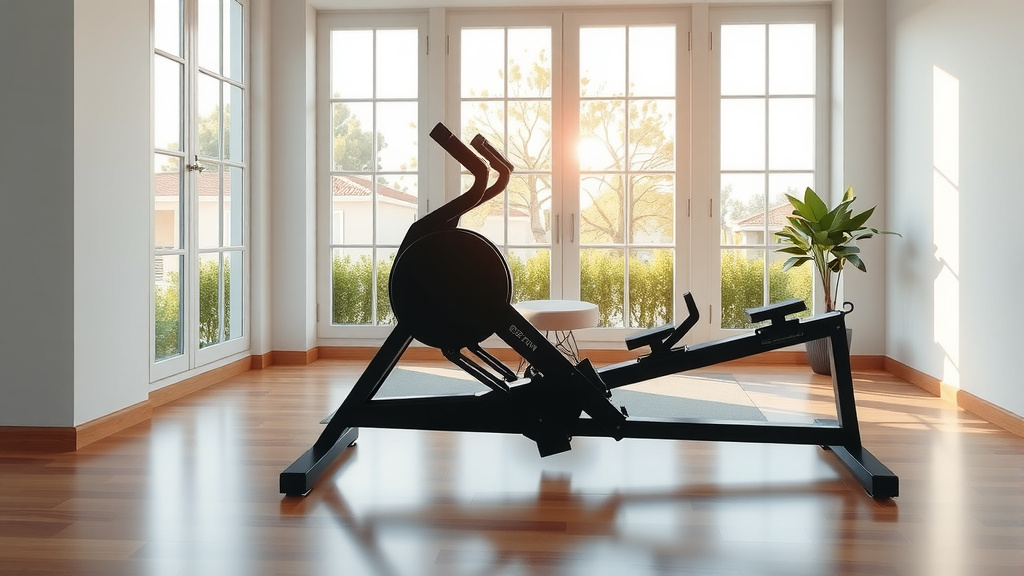
Yes, a rowing machine is a good investment for anyone seeking a comprehensive, low-impact, full-body workout at home. Rowing machines deliver excellent cardiovascular benefits and muscle toning across major groups, offering significant value over time.
- A rowing machine offers a full-body workout, engaging nearly all major muscle groups.
- It provides superb cardio benefits, boosting heart health and endurance.
- Rowing is a low-impact exercise, gentle on your joints compared to running.
- While the initial cost varies, the long-term value often outweighs gym membership fees.
- You gain the convenience of exercising anytime, right in your own home.
Is A Rowing Machine A Good Investment?
We found that for most people seeking a versatile home fitness solution, a rowing machine represents a smart, long-term investment in their health.
It brings the benefits of a gym right into your living space, making workouts accessible and consistent.
Why Row? The Health Benefits You Can’t Ignore
Imagine one piece of equipment targeting your legs, core, arms, and back all at once. That’s the power of rowing.
You’re not just moving; you’re building a stronger, healthier you with every stroke.
A Full-Body Powerhouse
Research consistently shows that rowing is one of the few exercises working about 86% of your muscles (American Fitness Professionals & Associates).
From your powerful leg drive to your core stabilization and arm pull, it’s a symphony of muscle engagement.
Heart Health Hero
Your heart is a muscle too, and rowing gives it a fantastic workout. It elevates your heart rate, strengthening your cardiovascular system.
Many experts, including those at the American Heart Association, recommend regular aerobic exercise for a healthier heart.
Kind to Your Joints
Unlike high-impact activities, rowing keeps your joints happy. Your feet stay connected to the footplates, reducing stress on knees and ankles.
This makes it a great option if you are recovering from injury or simply prefer a gentler approach to fitness.
Stress Buster and Mood Lifter
Ever feel better after a good workout? That’s not just a coincidence.
The rhythmic motion of rowing can be meditative, helping to reduce stress and improve your mood, research often finds (NIH).
Burn Those Calories!
Because rowing uses so many muscle groups, it burns a significant number of calories in a short amount of time.
If weight management is a goal, a rowing machine can be a highly effective tool in your fitness journey.
Considering the Costs: Is It Worth It?
Let’s talk numbers. The initial price of a rowing machine can feel like a lot, but consider the long-term view.
Sometimes, spending more upfront saves you money and time later on.
The Upfront Price Tag
Rowing machines range from a few hundred dollars to over a couple of thousand, depending on the type and features.
This might seem steep compared to a monthly gym membership.
What About Ongoing Costs?
Compare the one-time machine purchase to years of gym fees, gas money, and time spent commuting.
A home rower eliminates these recurring expenses, often paying for itself over time.
| Cost Aspect | Rowing Machine (Home) | Gym Membership |
|---|---|---|
| Initial Investment | $300 – $2500 (one-time) | $0 – $100 (initiation fee) |
| Monthly Cost | $0 (after purchase) | $30 – $100+ (recurring) |
| Travel/Time | None | Time spent commuting |
| Convenience | Workout anytime at home | Limited by gym hours/location |
Long-Term Value: A Different Perspective
Think about the priceless benefits of better health, more energy, and stress relief.
Many people find that the convenience and privacy of home workouts make them more likely to stick to a fitness routine, a true win for your health.
Consider this checklist when weighing your options:
- Are you committed to regular exercise?
- Do you prefer working out at home?
- Is convenience a high priority for you?
- Do you dislike crowded gyms?
- Are you looking for a low-impact, full-body option?
Choosing Your Rowing Machine: What to Look For
Not all rowing machines are created equal. Understanding the different types helps you pick the best fit for your needs and budget.
It’s like choosing the right tool for a specific job – you want one that performs well for you.
Understanding Resistance Types
The main difference between models often lies in how they create resistance. Each type offers a unique feel.
Which one sounds like the best fit for your workout style?
Air Rowers: The Classic Choice
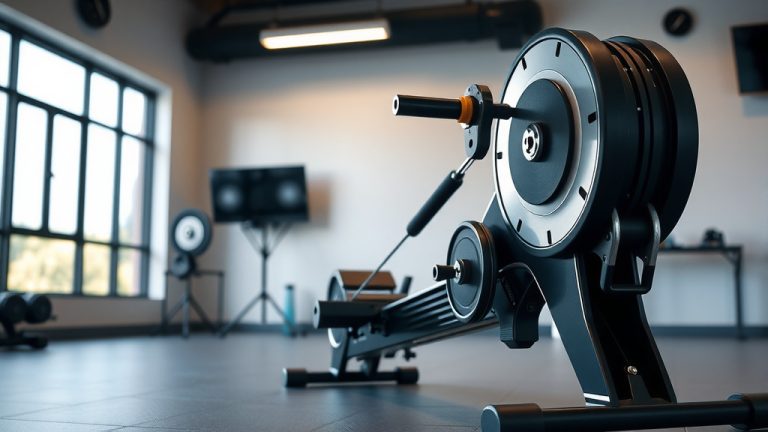
Air rowers use a flywheel that spins as you pull, creating resistance based on how hard you row. They offer a smooth, natural feel.
These are often found in gyms and are popular for their realistic rowing experience, though they can be a bit noisy.
Water Rowers: Smooth and Quiet
Water rowers use paddles spinning in a tank of water. This creates a very smooth, consistent resistance that mimics real rowing on water.
They are generally quieter and some people find the sound of rushing water quite soothing.
Magnetic Rowers: Compact and Adjustable
Magnetic rowers use magnets passing by a flywheel to create resistance. They are typically very quiet and offer easily adjustable resistance levels.
Many magnetic models are compact and can be folded for storage, perfect for smaller spaces.
Hydraulic Rowers: Budget-Friendly
Hydraulic rowers use cylinders filled with fluid or air. They are often the most affordable and most compact option.
While good for light cardio, they might not offer the same full-body feel as other types, as arms and legs often work separately.
Space, Storage, and Features
Beyond resistance, think about where your rower will live. Do you need a model that folds up?
Also, what tech features are important to you, like a performance monitor or app connectivity?
- Consider your available space, whether it’s a dedicated gym room or a corner of your living room.
- Look for models that fold or stand upright for easy storage if space is tight.
- Check the console for essential metrics like distance, time, strokes per minute, and calories burned.
- Some rowers offer smart features, linking to apps for guided workouts or virtual scenic rows.
Making the Most of Your Investment
Having a rowing machine is one thing; using it effectively is another. You’ve made the purchase; now let’s make it count.
A few simple practices can ensure you get the maximum benefit from your new fitness partner.
Learning Proper Form
Good technique prevents injury and makes your workout more effective. Focus on a strong leg drive, core engagement, and a smooth arm pull.
Many online resources and videos can guide you to proper rowing form (Mayo Clinic often provides exercise guidance).
Consistency is Key
Even short, regular workouts are more beneficial than sporadic, intense sessions. Aim for 20-30 minutes, three to five times a week.
Find a routine that fits your schedule and stick with it; your body will thank you.
Mixing Up Your Workouts
Don’t just row the same way every time. Experiment with different intensities, durations, or interval training.
This keeps your workouts fresh, challenges your body in new ways, and helps you stay motivated.
Conclusion
A rowing machine is more than just a piece of exercise equipment; it’s an investment in your well-being. It delivers a powerful, low-impact, full-body workout that supports cardiovascular health, builds strength, and helps with calorie management.
While the initial cost requires thought, the long-term benefits of convenience, privacy, and improved health make it a wise decision for many. With proper research and consistent use, your rowing machine can become a cornerstone of your fitness journey for years to come.
What muscles does a rowing machine work?
A rowing machine works nearly 86% of your body’s muscles. It heavily engages your legs (quads, hamstrings, glutes), core (abs, lower back), and upper body (lats, traps, biceps, triceps, shoulders) in a coordinated motion.
Is rowing a good way to lose weight?
Yes, rowing is an excellent way to lose weight. It burns a high number of calories due to its full-body engagement and cardiovascular demands. Combined with a balanced diet, consistent rowing can significantly contribute to weight loss and body composition changes.
How much space do I need for a rowing machine?
Generally, a rowing machine requires a space of about 8-9 feet in length and 2-3 feet in width during use. Many models can be stored upright or folded, reducing their footprint when not in use. Always check the specific dimensions of the model you are considering.
Is rowing bad for your back?
No, rowing is not inherently bad for your back if you maintain proper form. In fact, it can strengthen your core and back muscles. Issues typically arise from poor technique, such as rounding your back or pulling too much with your arms. Focusing on a strong leg drive and engaging your core helps protect your back.
How often should I use a rowing machine for results?
For noticeable results, aiming for 3-5 times a week, with sessions lasting 20-45 minutes, is a good starting point. Consistency is key. You can vary your workouts with steady-state cardio or high-intensity interval training (HIIT) to keep challenging your body and prevent plateaus.