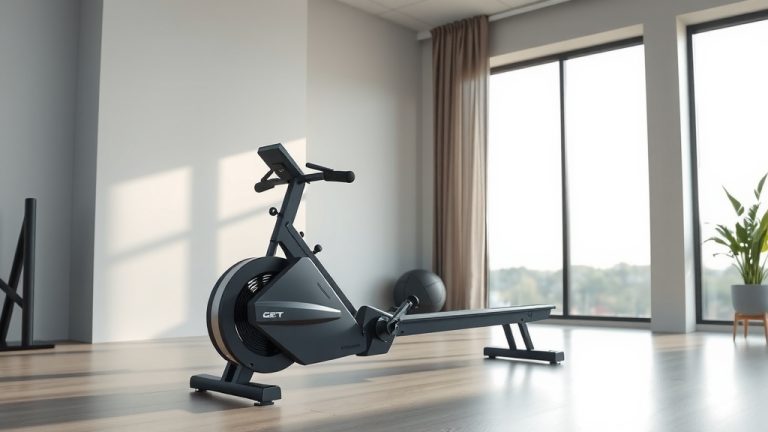
How Long Should A Senior Use A Rowing Machine?

For seniors, starting with 10-15 minutes on a rowing machine, 2-3 times a week, is often recommended.
Gradually increase duration as your strength and stamina improve, aiming for 20-30 minute sessions with proper form to maximize the benefits of using a rowing machine.
- Begin your rowing journey with short, gentle sessions, around 10-15 minutes.
- Aim for 2-3 workouts per week to build consistency and strength.
- Gradually extend your sessions to 20-30 minutes as you feel stronger and more comfortable.
- Always prioritize proper rowing form to protect your joints and maximize workout effectiveness.
- Listen closely to your body, adjusting intensity and duration based on how you feel each day.
How Long Should A Senior Use A Rowing Machine?
Most seniors should begin with 10-15 minute rowing sessions, two to three times per week. Focus on good form and moderate intensity.
As your fitness grows, you can aim for 20-30 minutes per session, 3-4 times a week, always respecting your body’s signals.
Why Rowing is Great for Seniors
Thinking about a rowing machine? It’s a fantastic choice for seniors looking to stay active. Rowing offers a full-body workout without harsh impact on your joints.
Many experts agree that it helps maintain muscle mass and bone density, which are vital for healthy aging (Mayo Clinic).
Gentle on Joints
Unlike running or jumping, rowing is a smooth, rhythmic motion. Your body moves fluidly, making it easy on your knees and hips.
This low-impact nature means you can work out effectively with less risk of strain or discomfort, which is a big plus.
Full-Body Workout
Rowing engages about 85% of your muscles in every stroke. You work your legs, core, back, and arms all at once. It’s truly a comprehensive exercise.
This efficiency means you get a lot done in a shorter time, helping you build strength and stamina from head to toe.
Starting Your Rowing Journey Safely
Ready to try rowing? That’s wonderful! But like any new exercise, a smart start is a safe start. Your body will thank you for taking it slow.
Remember, this isn’t a race. It’s about building a sustainable habit that supports your well-being for years to come.
The “Start Slow” Rule
When you first get on the machine, think “gentle.” Try just 5-10 minutes at a very light pace. Focus on getting a feel for the movement.
We found that consistency, even in small doses, is far more important than intense, infrequent workouts (NIH).
Listen to Your Body’s Wisdom
Your body sends important signals. If something feels like a sharp pain, stop immediately. Discomfort is normal, but pain is a warning sign.
On days you feel tired, opt for a shorter, lighter session. On days with more energy, you might go a little longer or harder.
Weekly Workout Frequency for Seniors
How often should you row? For most seniors, 2 to 3 times per week is a great starting point. This gives your body time to recover and adapt.
As you get fitter, you might increase to 3 or 4 times per week. Ensure you still have rest days in between.
Finding Your Ideal Session Duration
The perfect session length isn’t a fixed number. It’s a personal discovery based on your current fitness level and goals. Let’s explore some common paths.
Think of it like learning to cook; you start with simple recipes and slowly add more ingredients as you gain confidence.
The 10-Minute Starter
A 10-minute session is perfect for beginners or those with limited time. It’s enough to get your heart rate up and activate your muscles.
Even a short row can boost your mood and circulation. It’s proof that every little bit counts.
Building Up to 20-30 Minutes
Once 10 minutes feels easy, try adding 2-3 minutes to each session. Slowly work your way up to 20 or 30 minutes. This range is where significant fitness benefits often appear (CDC).
Many people find 20-30 minutes to be the “sweet spot” for a good workout without over-exertion or fatigue.
Important Rowing Machine Tips for Seniors
To truly get the most out of your rowing machine, a few key practices can make all the difference. These tips help with both safety and effectiveness.
Imagine setting up a perfect golf swing; each small adjustment helps you hit the ball further and more accurately.
Master Your Form
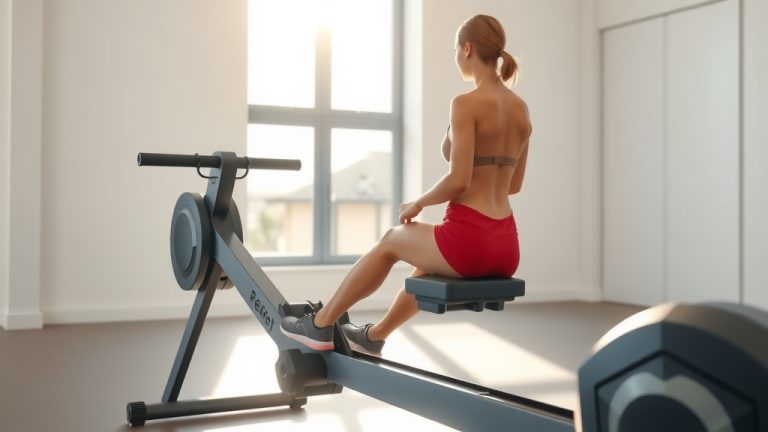
Good form is everything on a rowing machine. It protects your back and joints while making your workout more efficient. Always remember the “legs, core, arms, arms, core, legs” sequence.
Many online videos offer clear demonstrations. A quick search can provide visual guidance for proper technique.
| Common Form Mistake | How to Fix It for Seniors | Why It Matters |
|---|---|---|
| Hunching your back | Keep your chest lifted, shoulders back and down. Engage your core. | Prevents lower back strain, improves power. |
| Pulling with arms too early | Push with legs first, then lean back, then pull with arms. Think “push, lean, pull.” | Engages larger leg muscles, reduces arm fatigue. |
| Slamming back to the front | Control your recovery: extend arms, lean forward, then bend knees. Smooth, controlled return. | Protects knees and back, maintains rhythm. |
| Over-reaching forward | Keep a slight bend in knees at the catch. Avoid excessive forward lean to prevent hamstring strain. | Maintains balance and avoids injury. |
The Power of Warm-Up and Cool-Down
Don’t skip these crucial steps! A 5-minute warm-up of light cardio and dynamic stretches prepares your muscles. This can include arm circles or leg swings.
After your row, a 5-minute cool-down with static stretches helps your heart rate lower and improves flexibility. It’s like gently landing a plane.
Staying Hydrated
Keep a water bottle handy and sip throughout your workout. Staying hydrated is important for muscle function and overall energy.
Dehydration can lead to fatigue and muscle cramps, so make sure you’re drinking enough water before, during, and after your row.
When to Consult Your Doctor
Before starting any new exercise routine, it’s always wise to talk to your doctor. They can offer personalized advice based on your health history.
If you have existing health conditions like heart problems, joint issues, or balance concerns, your doctor can guide you on the safest way to begin.
Here’s a quick checklist before you start rowing:
- You’ve had a recent check-up with your doctor.
- You understand your body’s current physical limitations.
- You know how to perform basic rowing machine form.
- You have appropriate, comfortable exercise clothing and shoes.
- You are committed to starting slow and listening to your body.
Conclusion
Using a rowing machine as a senior can be a truly rewarding experience, offering a safe and effective full-body workout. Remember, the key is to start smart and listen to your body.
Begin with shorter sessions, focus on good form, and gradually build up your duration and frequency. With patience and consistency, you’ll discover how rowing can powerfully support your health and vitality.
Your fitness journey is unique. Enjoy the process, celebrate your progress, and let the rowing machine be a friendly partner in maintaining your active lifestyle.
How do I know if I’m using the correct resistance setting?
The correct resistance setting on a rowing machine feels challenging but allows you to maintain good form throughout your stroke. You shouldn’t feel like you’re straining excessively, nor should it feel too easy. Many experts suggest starting with a lower setting (often between 3-5 on a 10-point scale) and adjusting as your strength increases. It’s about feeling the effort, not necessarily lifting heavy weight.
Can rowing help with balance and coordination for seniors?
Yes, rowing can absolutely help improve balance and coordination. The rhythmic, sequential movement of a rowing stroke requires your body to move in a coordinated way, engaging your core and stabilizing muscles. Over time, this repetitive motion can enhance your proprioception (your body’s awareness in space) and improve overall stability, which is vital for seniors.
What if I have back pain? Can I still use a rowing machine?
If you experience back pain, you should always consult your doctor or a physical therapist before using a rowing machine. While rowing can strengthen core muscles that support the back, improper form can worsen existing pain. A medical professional can assess your specific condition and advise if rowing is suitable, or recommend modifications to protect your back.
Should I row every day as a senior?
For most seniors, rowing every day is not typically recommended, especially when starting out. Your muscles need time to recover and rebuild, which usually takes 24-48 hours. Aim for 2-4 times a week, allowing rest days in between. This approach prevents overtraining and reduces the risk of injury, helping you stay consistent in the long run.
Are there any specific types of rowing machines better for seniors?
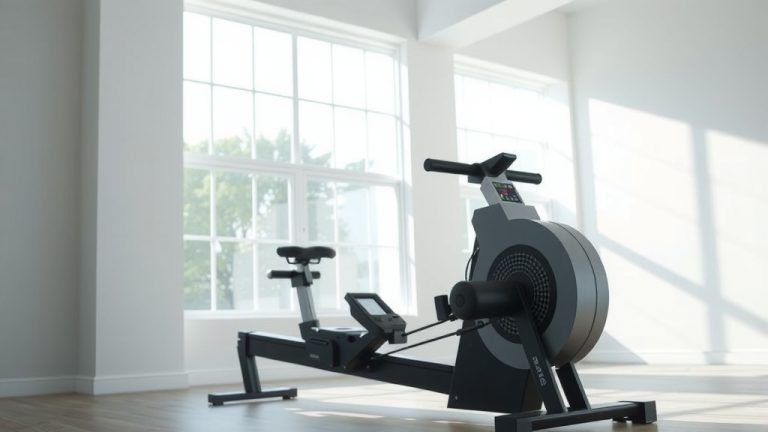
Water and air resistance rowing machines are often preferred by seniors because they offer a smooth, natural feel and resistance that adjusts to your effort. Magnetic resistance machines also work well as they offer consistent, quiet resistance. Look for features like a comfortable, easy-to-access seat, adjustable footrests, and a clear, simple console display for tracking your workout metrics.