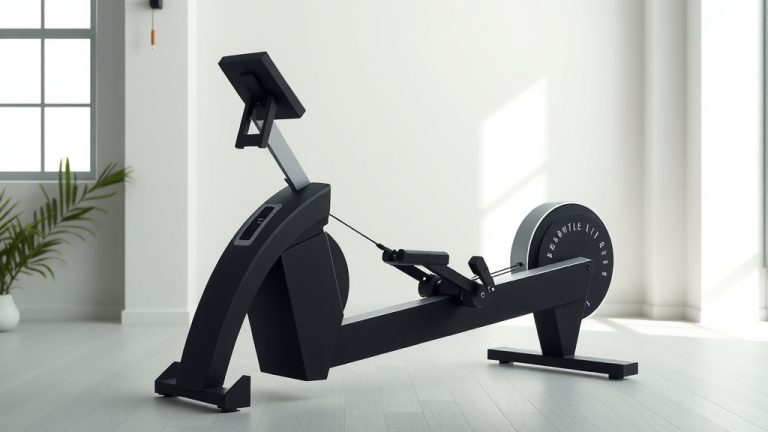
Is A Rowing Machine Better Than A Stationary Bike?
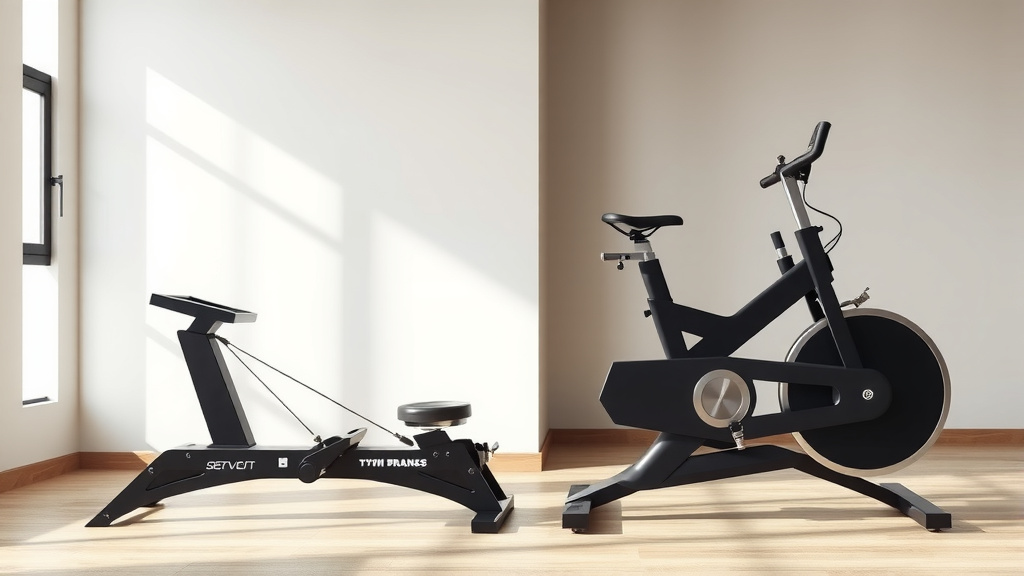
A rowing machine generally offers a more comprehensive, full-body workout by engaging multiple muscle groups, making it excellent for overall strength and cardio. Conversely, a stationary bike often provides a lower-impact, highly focused leg workout, which can be ideal for joint health and endurance training.
TL;DR:
- Rowing machines give you a full-body workout, working legs, core, and upper body together.
- Stationary bikes are excellent for lower body strength and improving cardio with less impact on your joints.
- Your best choice really depends on your fitness goals, how much space you have, and your budget.
- If you want total body conditioning, rowing is a strong contender, but for focused leg work and joint care, a bike shines.
Is A Rowing Machine Better Than A Stationary Bike?
Neither machine is inherently “better” than the other; instead, they serve different fitness goals and individual needs. A rowing machine gives you a powerful full-body workout, while a stationary bike focuses mainly on your lower body and cardiovascular endurance.
Understanding Your Workout Goals First
Before you pick a machine, think about what you want to achieve. Are you aiming for muscle building across your whole body, or are you looking to boost your leg strength and stamina? Your answer helps decide which machine fits your life better.
Many experts suggest that understanding your objectives is the first step in any fitness journey (Mayo Clinic). Knowing your “why” makes the choice much clearer.
Full Body vs. Lower Body Focus
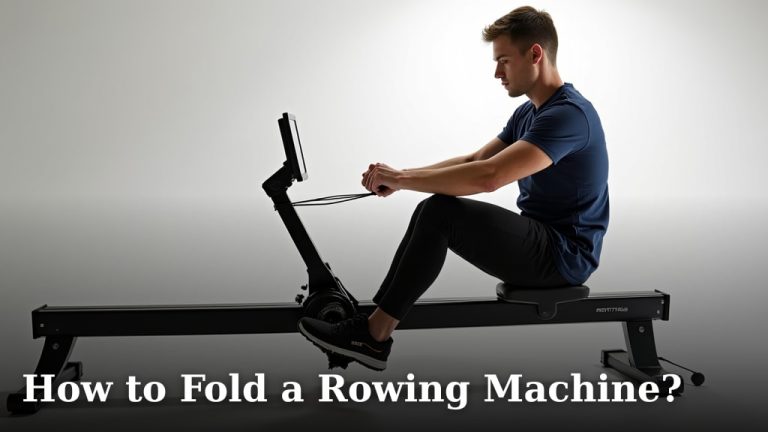
This is where the biggest difference lies. A rowing machine works almost every major muscle group in your body. You push with your legs, engage your core, and pull with your arms and back. It is a fantastic option for a truly balanced workout.
On the other hand, a stationary bike primarily targets your lower body. Your glutes, quadriceps, hamstrings, and calves do the heavy lifting. This makes it superb for developing leg strength and endurance.
Cardiovascular Benefits: Which One Wins?
Both machines deliver excellent cardiovascular benefits. They both raise your heart rate and improve lung capacity. Research found that consistent cardio, regardless of the machine, significantly boosts heart health (NIH).
With rowing, you often feel more out of breath because more muscles demand oxygen. A bike allows for sustained cardio sessions, sometimes at a higher intensity for longer periods, if your legs can handle it.
Joint Impact and Injury Risk
If you have sensitive joints or are recovering from an injury, this point is especially important for you. A stationary bike is generally considered very low-impact. Your feet stay on the pedals, and there’s minimal stress on your knees and ankles.
A rowing machine is also low-impact, but it involves a wider range of motion. Proper form is key to avoid back strain. Many guidelines highlight the importance of correct technique for rowing to protect your lower back (American Council on Exercise).
Considering Calorie Burn
Calorie burn can vary greatly based on your intensity, duration, and body weight. However, because rowing engages more muscles, it often allows you to burn a high number of calories in a shorter amount of time. You’re simply doing more work overall.
A stationary bike can also lead to significant calorie expenditure, especially during high-intensity interval training (HIIT). It is all about how much effort you put into each session on either piece of equipment.
Space Requirements and Portability
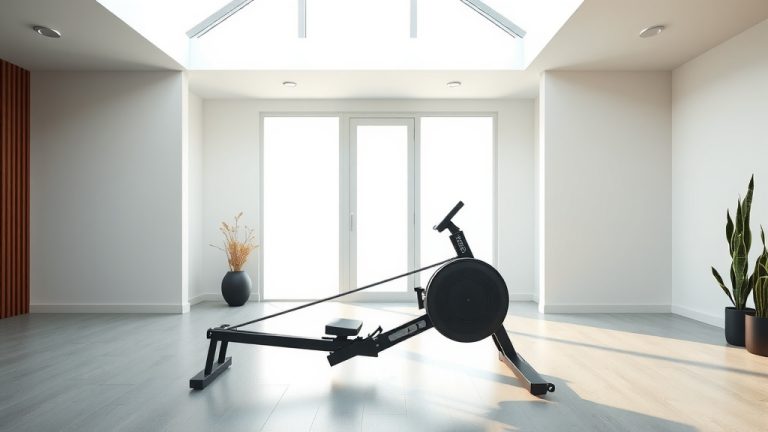
Thinking about where your machine will live? Rowing machines can be quite long, needing a good amount of floor space. Many models do fold up, which helps with storage, but they still require a designated workout area.
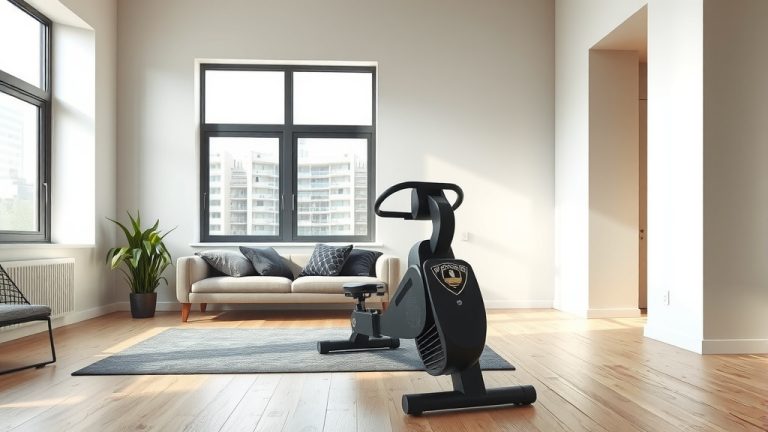
Stationary bikes, especially upright or spin bikes, tend to have a smaller footprint. They are often easier to tuck into a corner or move aside. Some compact bikes are perfect for smaller apartments or rooms.
Cost and Maintenance: What to Expect
The price for both types of machines can range widely, from a few hundred dollars to several thousand. High-quality models of either will be an investment. We found that entry-level rowing machines can be slightly more expensive than basic stationary bikes.
Maintenance for both is usually minimal. Keeping them clean and checking for loose parts generally keeps them running smoothly. Neither typically requires complex upkeep or frequent repairs.
Which One for Specific Fitness Needs?
If you want to train for a triathlon, a stationary bike closely mimics the cycling portion. If you are looking to build functional strength for everyday life, the full-body motion of rowing might be more beneficial.
Consider your personal enjoyment too! Consistency is vital for fitness, so choose the one you are most likely to use regularly. What workout excites you more?
Comparing Key Features at a Glance
| Feature | Rowing Machine | Stationary Bike |
|---|---|---|
| Muscle Engagement | Full-body (legs, core, back, arms) | Lower body (quads, glutes, hamstrings) |
| Cardio Focus | Intense, comprehensive | Sustained, endurance-focused |
| Joint Impact | Low (requires proper form) | Very Low |
| Space Required | Longer footprint, often foldable | Smaller footprint, more compact |
| Typical Price Range | Mid to High | Low to High |
Who Should Pick Which? A Quick Checklist
- If you want to train your entire body at once, consider a rowing machine.
- If you want a gentle, joint-friendly workout, a stationary bike is great.
- If you have limited space, a stationary bike might be easier to fit.
- If you aim for pure leg strength and endurance, the bike wins.
- If you enjoy a dynamic, full-body motion, rowing could be your pick.
Variety in Your Routine
Perhaps the best answer is to not choose just one! Many fitness experts recommend varying your workouts. Mixing rowing with cycling can help you avoid plateaus and prevent boredom. This keeps your body guessing and your motivation high.
Using both machines, if possible, gives you the best of both worlds. You get the full-body power of rowing and the sustained cardio of cycling.
Conclusion
Deciding between a rowing machine and a stationary bike comes down to your personal fitness journey. If you are seeking a full-body workout that builds strength and cardio simultaneously, a rowing machine is an excellent choice. However, if you prioritize low-impact, focused leg training, or have specific joint concerns, a stationary bike may be a more suitable option. We found that both offer superb health benefits; the “better” one is simply the one that aligns best with your goals and keeps you moving consistently.
What are the main muscles worked by a rowing machine?
A rowing machine primarily engages your legs (quads, glutes, hamstrings), core (abs and lower back), and upper body (lats, traps, biceps, triceps). It truly offers a comprehensive, full-body muscle workout.
Is a stationary bike better for losing belly fat?
Neither machine is specifically “better” for losing belly fat, as spot reduction is not truly possible. Both can help you create a calorie deficit, which is essential for overall fat loss, including belly fat. Consistency and intensity on either machine are key.
Can a rowing machine replace running for cardio?
Yes, a rowing machine can absolutely replace running for cardiovascular benefits. It provides an intense cardio workout with much lower impact on your joints than running, making it a great alternative for many people.
Are stationary bikes boring compared to rowing machines?
Whether a machine is “boring” is subjective. Some find the full-body motion of rowing more engaging, while others enjoy the focused, rhythmic pedaling of a bike. Many bikes now offer virtual rides or classes to boost engagement.
How much space do I need for a rowing machine versus a stationary bike?
Rowing machines generally require a longer footprint, typically around 8-9 feet in length when in use, though many fold for storage. Stationary bikes, especially upright or spin bikes, have a smaller, more compact footprint, often needing only a few square feet of space.