Is A Rowing Machine Or Elliptical Better?
On this page (6 sections)
Deciding if a rowing machine or elliptical is better depends entirely on your personal fitness goals and physical needs.
A rowing machine provides a powerful, full-body workout, engaging about 86% of your muscles, while an elliptical offers a joint-friendly, lower-impact cardio exercise.
Looking for a quick answer before diving in? Here’s the gist:
- Rowing machines offer a comprehensive full-body workout, building strength and stamina.
- Ellipticals deliver low-impact cardio benefits, kind to your joints and good for endurance.
- Your choice should align with your fitness goals and physical condition.
- Consider factors like impact level, muscle activation, and space available.
- Both are fantastic tools for improving your health and fitness!
Is A Rowing Machine Or Elliptical Better?
Honestly, neither machine is universally “better” than the other; it really comes down to what you’re looking to achieve. Think of it like choosing between apples and oranges for a snack.
A rowing machine offers an intense, full-body experience for those seeking strength and cardiovascular gains, while an elliptical machine provides a gentler, low-impact option primarily for cardio and endurance.
Understanding Your Fitness Goals First
Before you commit, let’s talk about what you want from your workout. Are you looking to build muscle across your entire body, or is your main aim sustained cardio with minimal joint stress?
Your ultimate fitness goals will truly guide your decision. We found that clarity here prevents buyer’s remorse later (American Council on Exercise).
The Rowing Machine: Your Full-Body Powerhouse
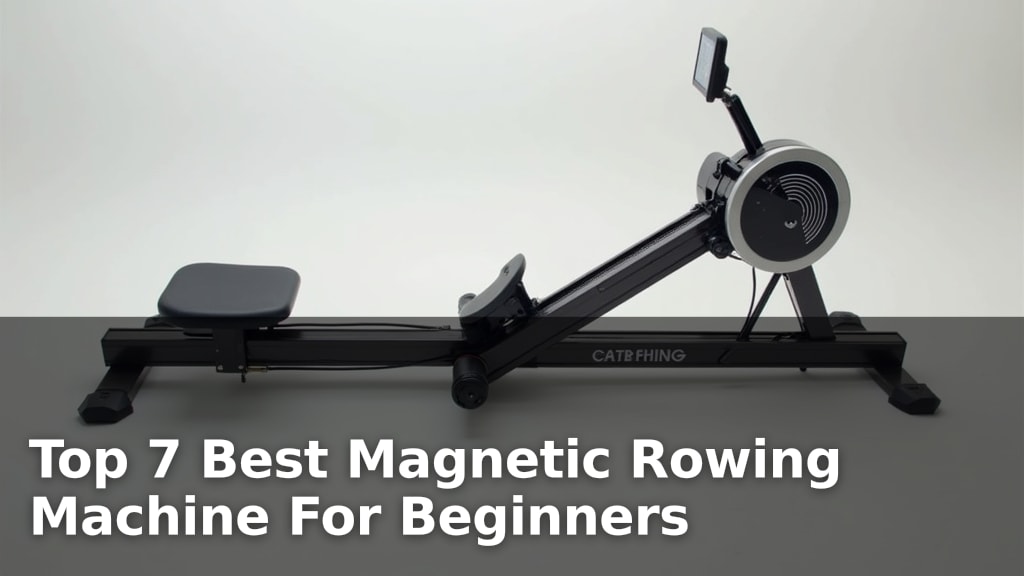
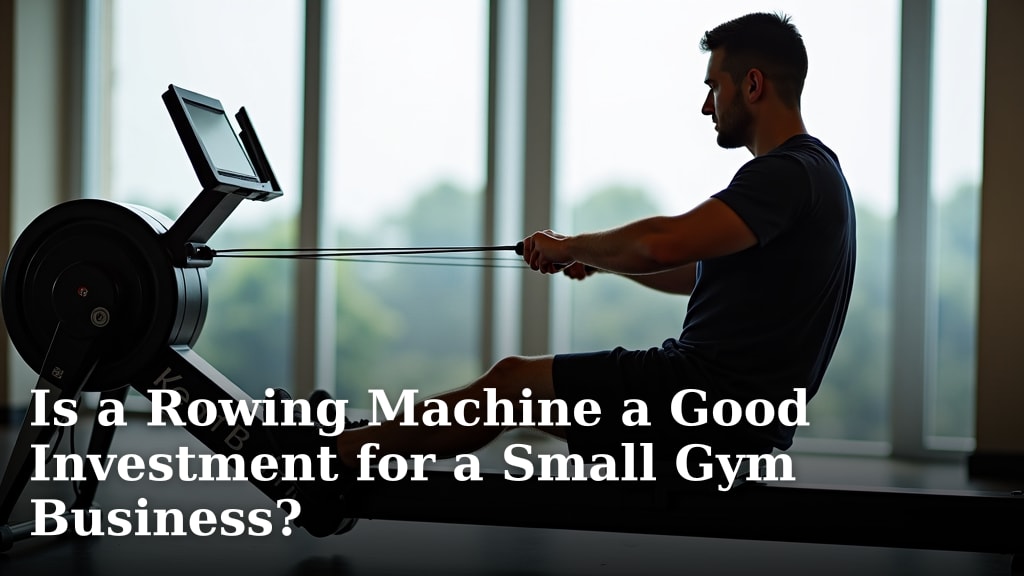
Imagine yourself gliding on water, pulling with strength and pushing with power. That’s the feeling a rowing machine brings. It’s often called a true full-body workout for good reason.
This machine delivers a balanced workout, engaging both your upper and lower body in a single, fluid motion. It’s a real powerhouse for building stamina and strength.
What Muscles Does Rowing Work?
Research suggests that rowing effectively engages around 86% of your body’s muscles in one movement (British Rowing). You’re using your legs for the powerful drive, your core for stability, and your back and arms for the pull.
This means you get a fantastic workout for your quads, hamstrings, glutes, core, lats, biceps, and triceps. It’s incredibly efficient for muscle activation.
Calorie Burn on a Rower
Because rowing uses so many large muscle groups, it typically results in a very high calorie burn. Many experts say it can rival or even surpass running in terms of energy expenditure per minute.
This makes it an excellent choice if weight loss or calorie deficit is a primary goal for you. It really gets your heart pumping!
Rowing’s Impact on Your Body
Rowing is generally considered a low-impact exercise. Your feet remain strapped in, and your joints aren’t subjected to the pounding of activities like running.
This makes it a kind option for your knees and hips, even while delivering an intense workout. It’s a common recommendation for those seeking joint comfort.
The Elliptical: Your Joint-Friendly Cardio Friend
The elliptical trainer allows your feet to glide smoothly, mimicking walking or running without the harsh impact. It’s often praised for its gentle nature on your joints.
This machine offers a great way to maintain and improve cardiovascular health. It’s a steady, rhythmic way to keep your body moving without strain.
What Muscles Does an Elliptical Target?
While an elliptical engages your lower body significantly (quads, hamstrings, glutes), its upper body component is usually less intense than rowing. The moving handlebars allow for some arm and shoulder work.
It’s primarily a lower-body cardio workout, with a lighter touch on your core and upper body. It’s perfect for consistent, rhythmic exercise.
Calorie Burn on an Elliptical
The calorie burn on an elliptical is moderate to high, depending on your intensity and resistance. It’s certainly effective for burning calories and improving endurance.
We found that while it might not match the peak burn of intense rowing, it allows for longer, sustained cardio sessions which also contributes greatly to energy expenditure (Cleveland Clinic).
Elliptical’s Impact on Your Joints
This is where the elliptical truly shines for many people. It provides a very low-impact workout, protecting your knees, hips, and ankles from stress. Your feet never lift from the pedals.
For those with joint pain or recovering from certain injuries, an elliptical is often a preferred choice. It allows you to exercise without undue stress on sensitive areas.
Side-by-Side Comparison: Rowing vs. Elliptical
Let’s put them head-to-head. Each machine offers unique strengths. Here’s a quick overview to help you visualize the differences:
| Feature | Rowing Machine | Elliptical Trainer |
|---|---|---|
| Muscle Engagement | Full Body (approx. 86%), upper, core, lower | Primarily lower body, some upper (arms) |
| Impact Level | Low impact | Very low impact |
| Calorie Burn | Generally higher (intense) | Moderate to high (sustained) |
| Strength Building | Significant full-body strength | Moderate lower-body toning |
| Cardiovascular Focus | High intensity, endurance | High endurance, consistent heart rate |
Which Machine for Weight Loss?
For sheer calorie burning potential in a shorter amount of time, a rowing machine often has an edge due to its full-body engagement. It’s fantastic for creating a significant calorie deficit.
However, an elliptical allows for longer, sustained workouts, which also contribute significantly to weight loss. Consistency on either machine is truly the most important factor.
Considering Injury and Recovery
If you’re recovering from an injury or suffer from chronic joint pain, the elliptical’s very low-impact nature makes it a safer bet. It reduces stress on sensitive joints like knees and ankles.
Rowing, while low-impact, requires good form to avoid back strain. Always consult a physical therapist if you have concerns about existing injuries (Mayo Clinic).
Space and Practicality
Rowing machines can sometimes be quite long, needing ample floor space, though many models fold for storage. Ellipticals often have a larger footprint and are less likely to fold away.
Consider your living space carefully. A machine you can use comfortably and store easily is one you’re more likely to use regularly.
Making the Right Choice for You
Ultimately, the “better” machine is the one you will consistently use and enjoy. Think about what excites you and fits your physical needs. Your personal preference is truly key here.
Don’t be afraid to try both if possible at a local gym. A short trial can offer significant insight into how each feels for you.
Your Personal Checklist
To help you decide, ask yourself these questions:
- Do you want a comprehensive full-body workout that builds strength?
- Is joint impact a major concern for your knees, hips, or ankles?
- Are you aiming for the highest possible calorie burn in less time?
- Do you prefer a workout that feels more like a steady, sustained rhythm?
- What is your current fitness level and any pre-existing conditions?
- How much space do you have available for exercise equipment?
Conclusion
Both rowing machines and ellipticals are incredibly effective tools for improving your fitness, boosting cardiovascular health, and helping with weight management. Your choice isn’t about one being superior overall, but rather which one aligns perfectly with your individual body and ambitions.
If you seek a powerful, full-body workout with high calorie burn and strength benefits, the rower calls your name. If low-impact cardio, joint comfort, and sustained endurance are your priorities, the elliptical is your trusted companion. Listen to your body, consider your goals, and you’ll find the perfect match.
What are the main benefits of a rowing machine?
Rowing machines provide a comprehensive, full-body workout that engages about 86% of your muscles, offering high calorie burn, significant cardiovascular conditioning, and impressive strength building for your legs, core, back, and arms.
Is an elliptical better for joint pain?
Yes, an elliptical is often considered better for individuals with joint pain because it provides an extremely low-impact workout. Your feet remain in contact with the pedals throughout, eliminating the jarring impact on your knees, hips, and ankles found in activities like running.
Can you lose weight effectively with an elliptical?
Absolutely! An elliptical can be highly effective for weight loss. While the calorie burn might be slightly less intense per minute compared to vigorous rowing, ellipticals allow for longer, sustained cardio sessions, which are crucial for creating a calorie deficit and promoting fat loss.
How does a rowing machine help build muscle compared to an elliptical?
A rowing machine builds more overall muscle because it involves a powerful push from the legs and a strong pull from the back and arms, engaging major muscle groups simultaneously. An elliptical primarily focuses on toning the lower body, with lighter engagement of the upper body via handlebars.
Which machine is easier for beginners to use?
Many beginners find the elliptical easier to get started with due to its intuitive, low-impact motion. Rowing requires a bit more attention to proper form to ensure effectiveness and prevent strain, particularly in the lower back, though it’s simple to learn with a little practice.