
Is A Rowing Machine Better Than A Treadmill?
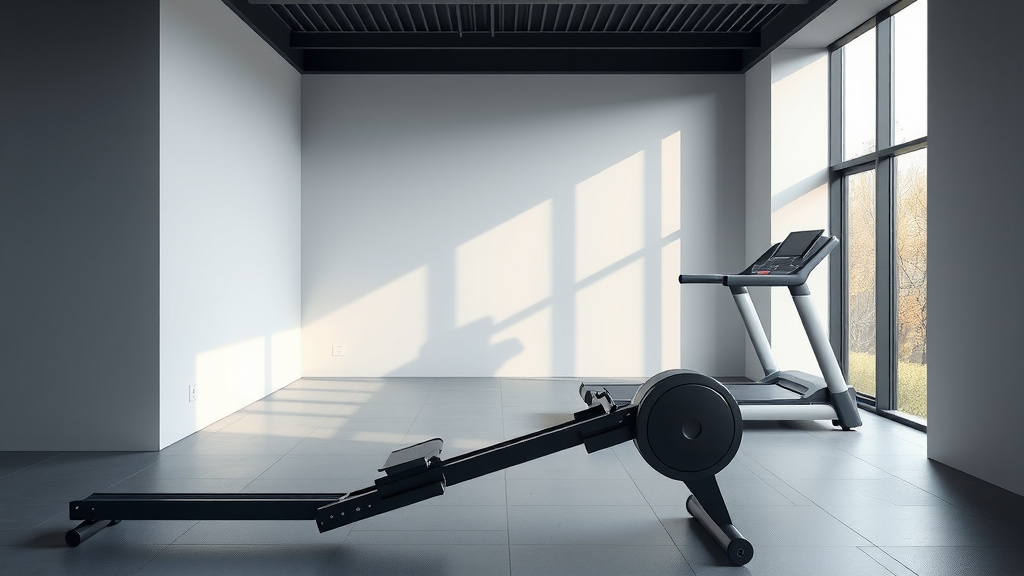
A rowing machine often offers a more comprehensive, full-body workout with significantly lower joint impact compared to a treadmill.
However, a treadmill typically provides a highly effective cardio session, often burning more calories for pure running in a shorter period, depending on intensity.
- The choice between a rower and a treadmill depends on your specific fitness goals and physical needs.
- Rowing engages nearly all major muscle groups for a powerful, low-impact exercise.
- Treadmills excel at high-intensity cardio, running, and targeted lower-body conditioning.
- Consider joint health, space availability, and the type of exercise you find most enjoyable.
- Both machines are excellent for cardiovascular health, but they deliver different workout experiences.
Is A Rowing Machine Better Than A Treadmill?
It truly depends on your fitness goals and what kind of workout you seek.
Both machines offer excellent cardiovascular benefits, but they excel in different areas.
Understanding Your Workout Needs
Before picking, ask yourself: What do you want from your exercise machine?
Are you aiming for a full-body challenge or focusing on heart health?
Your answer helps guide you to the right choice for your home gym.
The Full-Body Power of a Rower
When you sit on a rowing machine, you are signing up for a total body experience.
Research confirms that rowing engages about 86% of your muscles (Mayo Clinic).
You use your legs, core, back, and arms in one smooth motion.
Treadmills: Your Go-To for Cardio
Treadmills are stars for cardiovascular fitness, especially if you love to run or walk.
They are simple to use and great for setting pace or incline challenges.
Many experts point to running as a prime way to boost heart health (CDC).
Joint Impact: A Key Difference
Your joints take a beating during some exercises, but not all.
Let’s look at how each machine treats your knees, hips, and ankles.
Gentle on Joints: The Rowing Machine Advantage
Rowing is a low-impact exercise, meaning it’s kind to your joints.
Your body remains seated, moving smoothly back and forth.
This makes it a popular choice for those with knee pain or recovery needs.
We found that many people prefer rowing for its joint-sparing qualities.
High Impact: The Treadmill Reality
Running on a treadmill, particularly at higher speeds, is a high-impact activity.
Each step sends a shockwave through your legs and spine.
Some treadmills offer cushioning to help, but impact is still a factor.
If you have sensitive joints, you might feel this difference.
Calorie Burn Comparison: What Burns More?
For many, calorie burning is a big part of their fitness goals.
Both machines can burn a lot, but the specific numbers vary.
Rowing for Efficient Calorie Expenditure
A rowing machine can burn a lot of calories because it uses so many muscles.
It’s like getting a strength workout and cardio all at once.
A moderate rowing session can burn around 200-300 calories in 30 minutes.
Treadmills and High-Intensity Burn
For high-intensity running, a treadmill can often burn more calories per minute.
A vigorous run can torch 300-500 calories in 30 minutes.
However, this high intensity might be harder to maintain for longer periods.
Muscles Worked: More Than Just Legs
Understanding which muscles get action helps you choose.
Are you looking for specific muscle development or an overall tone?
The Rowing Machine’s Muscle Symphony
Rowing is unique because it works both your upper and lower body.
Your legs drive the movement, while your core stabilizes and arms pull.
It targets quads, hamstrings, glutes, back, shoulders, and biceps.
Treadmill: Lower Body Focused
Treadmills are fantastic for strengthening your lower body.
They target your quads, hamstrings, glutes, and calves.
While great for legs, they don’t offer much upper body engagement.
Space and Practicality for Your Home
Where will you put this machine? Space is often a real concern for us.
Let’s think about how each fits into your living area.
Rowing Machine Footprint
Many modern rowing machines can fold up for storage.
When in use, they take up a long, narrow space.
If you have a dedicated workout corner, it can fit well.
Treadmill Size Considerations
Treadmills can be quite bulky and heavy, even the foldable ones.
They often need a wider area and might feel more permanent.
Measure your space carefully before you buy one of these.
Which Machine Wins for Your Fitness Level?
Both machines are great for all fitness levels, with some simple adjustments.
A beginner can start slow, and an expert can find a challenge.
- Rowing machines adapt to your effort; the harder you pull, the more resistance.
- You can adjust treadmill speed and incline to match your endurance.
- Both offer a safe, consistent workout environment at home.
- Starting slow and increasing intensity is key for any fitness journey.
A Quick Comparison Table: Rower vs. Treadmill
Here’s a snapshot to help you see the differences side-by-side.
| Feature | Rowing Machine | Treadmill |
|---|---|---|
| Workout Type | Full-body (cardio + strength) | Cardio (lower body focused) |
| Joint Impact | Very Low | Moderate to High |
| Muscles Worked | 86% of body (legs, core, back, arms) | Mainly lower body (quads, glutes, calves) |
| Calorie Burn | High (efficient, total body) | High (especially for running intensity) |
| Space Needs | Long, narrow (many fold) | Wider, often larger footprint |
Choosing Your Ideal Machine: A Quick Checklist
Run through these questions to see which machine aligns with your workout style.
- Do you want a full-body workout that builds strength and endurance?
- Are you looking for a low-impact exercise option to protect your joints?
- Do you enjoy a smooth, rhythmic motion that feels almost meditative?
- Is getting a powerful cardio workout that truly challenges your legs your main goal?
- Do you want an exercise that closely mimics walking or running outdoors?
Conclusion
The question of whether a rowing machine is better than a treadmill doesn’t have a single answer.
Both are exceptional fitness tools, each with distinct advantages for different goals.
If you aim for a comprehensive, low-impact workout that builds strength and stamina, a rower is a fantastic choice.
If your goal is high-intensity cardio, focused lower-body work, or if you simply love to run, the treadmill is likely your champion.
Think about your body, your goals, and what will keep you motivated to move.
Ultimately, the “better” machine is the one you will use consistently and enjoy.
How much space do I need for a rowing machine?
A rowing machine typically needs a space of about 8 feet long by 2-3 feet wide when in use. Many models can fold vertically, cutting their storage footprint by half, making them suitable for smaller apartments or rooms.
Can I get a good cardio workout on a rowing machine?
Yes, absolutely. Rowing provides an excellent cardiovascular workout that engages almost all major muscle groups. This means your heart has to work harder to pump blood to all these muscles, leading to a very effective cardio session.
Is a treadmill or rowing machine better for weight loss?
Both machines can be highly effective for weight loss. A treadmill might burn more calories per minute during a high-intensity run. However, a rowing machine’s full-body engagement can lead to a greater overall metabolic boost, which is great for sustained weight loss. Consistency on either is key.
Are there any downsides to a rowing machine?
Some people find the rowing technique takes a bit of practice to master. Incorrect form can lead to back strain, so learning proper technique is important. Also, for pure upper body strength building, it might not be as effective as dedicated weight training.
Can a rowing machine help with muscle building?
Yes, a rowing machine definitely helps build and tone muscles, particularly in your legs (quads, hamstrings, glutes), core, and back. While it won’t build bulk like heavy weightlifting, it contributes to lean muscle mass and overall muscular endurance across your body.
