Is An Exercise Bike Or Rowing Machine Better?
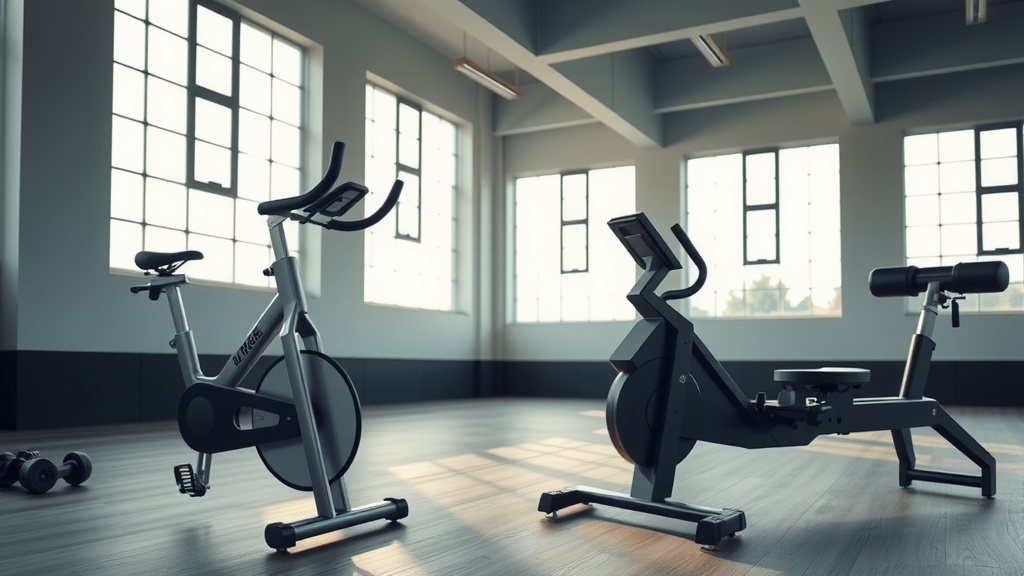
Choosing between an exercise bike and a rowing machine boils down to your personal fitness journey and workout preferences. A rowing machine provides a comprehensive full-body workout, engaging about 86% of your muscles, while an exercise bike excels at targeting your lower body and boosting cardiovascular endurance.
For those seeking a low-impact cardio option that strengthens legs and improves stamina, an exercise bike is a great fit. If you desire a powerful, efficient total-body exercise that builds both strength and cardiovascular fitness, a rowing machine is often the superior choice.
Here’s a quick overview:
- An exercise bike is primarily a lower-body and cardio workout.
- A rowing machine offers an intense full-body workout, engaging legs, core, and upper body.
- Both are excellent for cardiovascular health and are low-impact.
- Your choice depends on your specific fitness goals and muscle focus.
- Consider factors like space, budget, and personal enjoyment when deciding.
Is An Exercise Bike Or Rowing Machine Better?
Neither machine is inherently “better” than the other; it truly depends on your unique fitness needs and what you aim to achieve. Each piece of equipment brings distinct benefits to your workout routine and body.
Understanding the Exercise Bike
An exercise bike, often called a stationary bike, focuses mainly on your lower body. You’re sitting down, pushing pedals, which primarily engages your quadriceps, hamstrings, and glutes. It’s fantastic for building endurance.
Key Benefits of Cycling
Cycling is a go-to for many people. It offers a consistent, low-impact way to get your heart rate up. Many find it easier to maintain a steady pace for longer durations compared to other exercises.
We found that regular cycling greatly supports heart health and lung capacity (American Heart Association). It helps improve blood circulation.
Understanding the Rowing Machine
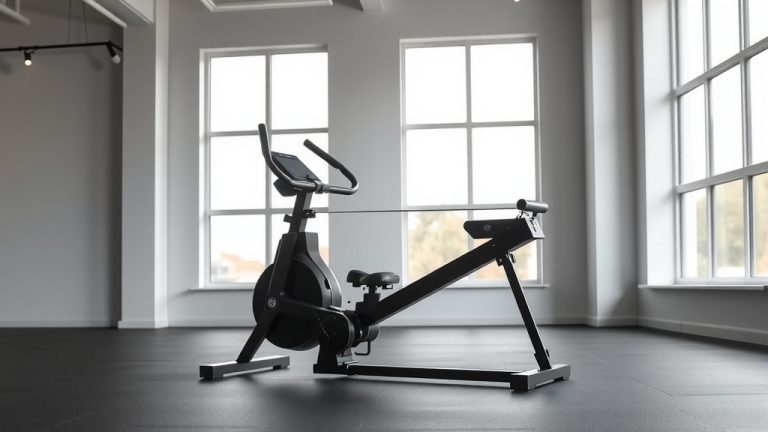
A rowing machine, or ergometer, simulates the motion of rowing a boat on water. It’s known for providing one of the most comprehensive workouts available. You use your legs, core, and upper body in a synchronized, powerful movement.
Key Benefits of Rowing
Rowing is often praised as a “full-body” exercise. Research indicates it uses a significant percentage of your body’s muscles in each stroke (American Council on Exercise). This makes it highly efficient for burning calories and building muscle.
It’s also an excellent way to boost your stamina and improve muscular endurance across your entire body.
Calorie Burn: Which Machine Wins?
When it comes to burning calories, both machines are effective. However, because rowing engages more muscles, it often allows you to burn more calories in the same amount of time. An intense rowing session can feel more demanding.
Many experts say that a rowing machine provides a higher calorie expenditure per minute for most users (Harvard Health Publishing). This is due to the larger muscle groups involved in each stroke.
Muscle Engagement: Upper, Lower, Core
This is where the biggest difference lies. An exercise bike is fantastic for leg strength and cardio. It will make your quadriceps burn and your calves stronger.
A rowing machine, however, is a true all-rounder. It engages your legs (about 60% of the power), core (for stability and connection), and upper body (back, shoulders, arms for the pull). It’s a symphony of muscle groups working together.
Impact on Your Joints
Both exercise bikes and rowing machines are considered low-impact. This means they are gentle on your knees, hips, and ankles. This is a big plus for people with joint sensitivities or those recovering from injuries.
You can get a great cardio workout without the jarring impact of running. This makes them suitable for a wide range of fitness levels and ages.
Cardiovascular Health Benefits
Both machines are champions for your heart. They elevate your heart rate, improve circulation, and strengthen your cardiovascular system. Regularly using either machine can help reduce risks of heart disease.
The CDC recommends at least 150 minutes of moderate-intensity aerobic activity each week. Both cycling and rowing fit this bill perfectly, helping you reach your health goals.
Space and Portability Considerations
Exercise bikes often have a smaller footprint, especially upright or spin bikes. Some models can even fold for storage. Rowing machines, while often longer, can sometimes be stored upright to save space.
Consider your available space at home. A larger rowing machine might be an issue in a small apartment. Think about how much room you have for your fitness equipment.
Cost and Maintenance Factors
The cost for both can vary widely, from budget-friendly options to high-end professional models. Generally, basic exercise bikes might be slightly less expensive than entry-level rowing machines. Maintenance is usually minimal for both.
Always read reviews and compare features to find a machine that fits your budget and offers good quality. Investing in a good machine can save you money long-term (Consumer Reports).
Who Should Choose an Exercise Bike?
You might prefer an exercise bike if:
- Your main goal is leg strength and cardio without upper body focus.
- You want a seated workout that is extremely low-impact.
- You enjoy watching TV or reading while exercising.
- You have limited space and need a more compact machine.
- You are training for outdoor cycling events.
Who Should Choose a Rowing Machine?
Consider a rowing machine if:
- You’re looking for an efficient total-body workout in one session.
- You want to build both strength and cardiovascular fitness simultaneously.
- You appreciate a more dynamic and engaging exercise.
- You aim to improve muscular endurance across your back, shoulders, and arms.
- You have enough space for the machine’s length during use.
Making Your Decision Easier: A Quick Comparison
Sometimes, seeing the facts side-by-side makes the choice clearer. Here’s a simple table to guide your thinking:
| Feature | Exercise Bike | Rowing Machine |
|---|---|---|
| Primary Focus | Lower Body, Cardio | Full Body (Legs, Core, Upper) |
| Muscle Groups | Quads, Hamstrings, Glutes | 86% of Muscles (Legs, Back, Core, Arms, Shoulders) |
| Calorie Burn Potential | Moderate to High | High to Very High |
| Joint Impact | Very Low | Very Low |
| Workout Intensity | Adjustable (Steady State, HIIT) | Adjustable (Steady State, HIIT) |
| Space Requirement | Often More Compact | Generally Longer |
Consider This Checklist Too:
- What are your main fitness goals?
- How much space do you have?
- What’s your preferred exercise style?
- Do you have any physical limitations?
- What’s your budget for equipment?
Why Not Both? Hybrid Training
For some, the ideal solution might be a combination. Many fitness enthusiasts integrate both machines into their routine. This allows you to reap the distinct benefits of each, preventing plateaus and keeping your workouts fresh.
Alternating between an exercise bike and a rower can lead to well-rounded fitness. You’ll be strengthening different muscle groups and challenging your cardiovascular system in varied ways. This hybrid approach is very effective.
Conclusion
Ultimately, the “better” machine is the one you will use consistently and enjoy. Both exercise bikes and rowing machines are fantastic tools for improving your health and fitness. Your choice truly depends on what you want to achieve.
If you’re seeking to specifically strengthen your legs and boost cardio in a low-impact way, an exercise bike might be your perfect match. If a comprehensive, efficient total-body workout that challenges almost every muscle group appeals to you, then a rowing machine is likely the ideal choice. Listen to your body, consider your goals, and you’ll make the right decision for your fitness journey.
What muscles does a rowing machine work?
A rowing machine is famous for its full-body engagement. It primarily targets your quadriceps, hamstrings, glutes, core muscles (abs and lower back), and upper body muscles including the lats, traps, rhomboids, biceps, and triceps.
Is a rowing machine good for weight loss?
Yes, a rowing machine is excellent for weight loss. Due to its high muscle engagement, it burns a significant number of calories in a short amount of time. Combining regular rowing with a balanced diet can be very effective for weight management.
Can an exercise bike tone my arms?
An exercise bike primarily works your lower body and cardiovascular system. It will not significantly tone your arms. For arm toning, you would need to incorporate strength training exercises that specifically target your biceps, triceps, and shoulders.
Which machine is better for beginners?
Both machines are generally suitable for beginners due to their low-impact nature. An exercise bike might feel more intuitive initially. However, learning proper rowing form is crucial for a rowing machine to avoid injury and maximize benefits, but once learned, it’s highly effective.
Is it okay to use an exercise bike every day?
For most healthy individuals, it is generally safe to use an exercise bike every day, especially if you vary the intensity and duration. Daily low to moderate intensity cycling can boost cardiovascular health and endurance without excessive strain. Always listen to your body and consult a healthcare professional if you have concerns.