Do You Need Special Shoes for a Rowing Machine?
On this page (3 sections)
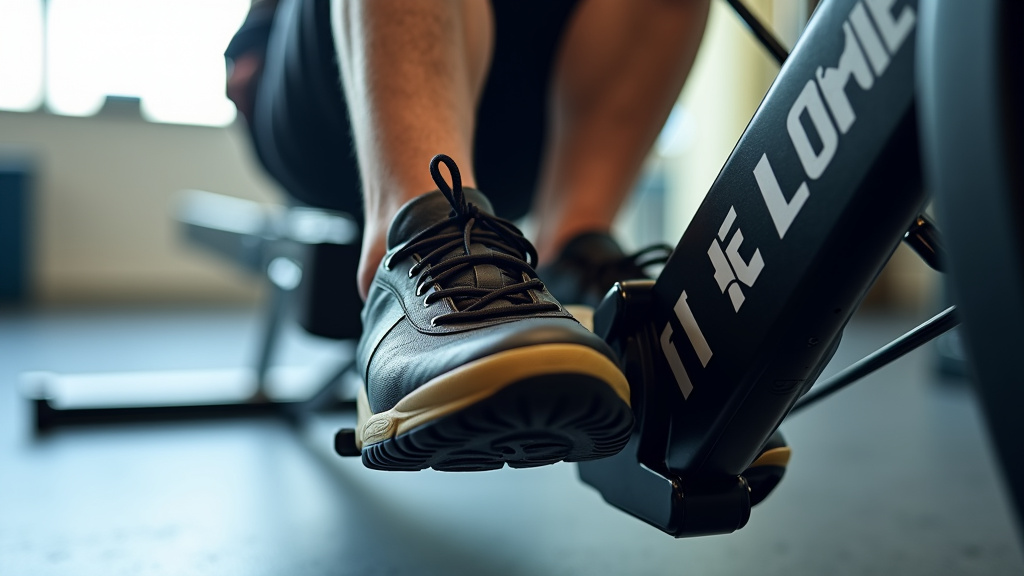
You actually don’t need special shoes for a rowing machine, but wearing the right kind of footwear can make a big difference. Most casual athletic shoes will do just fine for your rowing workouts. The key is choosing something that offers good grip and comfort without being too bulky.
While dedicated rowing shoes aren’t a thing, you want to avoid certain types of shoes. Things like heavy boots or open-toed sandals aren’t suitable for the footplates. We found that many rowers prefer shoes with a flat, grippy sole to help them power through their strokes. This offers better stability and transfers more energy.
- You don’t need special “rowing shoes.”
- Any comfortable athletic shoe with good grip will work.
- Avoid bulky, heavy, or open-toed footwear.
- Flat, grippy soles offer the best stability.
- Proper shoes enhance your rowing performance.
Let’s get into the specifics of what makes a shoe a good choice for your rowing machine sessions and what to steer clear of.
What Kind of Shoes for Your Rowing Machine?
You’re probably wondering if you need special shoes for your rowing machine. The good news is, you likely already own the perfect pair! You don’t need fancy, expensive “rowing shoes.” In fact, they don’t really exist for home use. What you do need is a shoe that helps you grip the footplate securely and keeps you comfortable during your workout. Think of your shoes as a direct link between your body and the machine. A good connection means a better workout.
The Core Requirements for Rowing Footwear
So, what makes a shoe a good fit for rowing? We’ve found a few key features that stand out. Your footwear should offer a solid grip on the footplate. This prevents your feet from sliding, which is essential for pushing off effectively. Comfort is also a big deal. You want to avoid any rubbing or pinching, especially if you plan on longer rowing sessions. Finally, stability matters. A shoe that’s too soft or too flexible might not transfer your power as well.
Grip: Your Secret Weapon
The footplates on most rowing machines have some sort of texture or strap system. To get the most out of your pull, your shoes need to grab onto that. A shoe with a flat, rubbery sole tends to work best. This material provides excellent traction. We’ve seen many rowers opt for shoes with good tread patterns, similar to what you’d find on cross-training or some running shoes. This ensures your feet stay put, no matter how hard you push.
Comfort and Fit: Happy Feet, Happy Workout
Nobody enjoys a workout when their feet are screaming. The right fit means your shoe shouldn’t be too tight or too loose. You should have a little room in the toe box, but your heel shouldn’t slip. Many athletic shoes have some cushioning, which is great. You just don’t want so much cushioning that it feels unstable. A snug, comfortable fit allows you to focus on your rowing form and power, not on your footwear.
Stability: Power Transfer 101
Think about pushing off a slippery floor versus a grippy one. The grippy floor lets you push harder. Your shoes do the same thing for the rowing machine. A shoe that’s too thick or has a very high heel can make you feel wobbly. We found that shoes with a lower profile and a firm sole are generally preferred. They provide a stable platform for you to drive your legs through each stroke. This stability helps you maximize the energy you put into the machine.
What to Look for in Your Rowing Shoes
Now that you know the ‘why,’ let’s talk about the ‘what.’ What specific types of shoes tick these boxes? Most standard athletic shoes will do the job. You might be surprised by how many options you already have in your closet!
Cross-Training Shoes
These are often a great choice. Cross-training shoes are designed for a variety of gym activities. They typically have a flat sole with good grip. They also offer decent support without being overly bulky. We found that their stability makes them a favorite among many indoor rowers. You get a good balance of cushioning and firmness.
Court Shoes (Tennis, Basketball)
Shoes designed for sports played on courts can also work well. Tennis shoes, in particular, often have excellent lateral support and a grippy sole for quick movements. Basketball shoes might be a bit bulkier, but some lower-cut models can provide the stability you need. Just be sure they aren’t too heavy, as that can affect your rowing rhythm.
Running Shoes (with caveats)
Some running shoes can be suitable, especially those with a firmer, less cushioned sole. You’ll want to avoid highly minimalist or maximalist running shoes. Those with a lot of soft foam might feel unstable on the footplate. Shoes designed for road running often have flatter soles than trail running shoes. We found that basic, everyday running shoes often fit the bill perfectly.
Minimalist or Barefoot-Style Shoes
For those who prefer a more natural feel, minimalist shoes can be a good option. They offer very little cushioning, promoting a closer connection to the footplate. This can enhance stability and power transfer. Many experts suggest that these types of shoes can be great for rowing (American College of Sports Medicine).
What Footwear to Absolutely Avoid
Just as important as knowing what works is knowing what doesn’t. Certain types of shoes can be downright dangerous or just make your workout miserable. Let’s go over the no-gos.
Open-Toed Shoes and Sandals
This might seem obvious, but we have to say it. Flip-flops, sandals, and any open-toed footwear are a big no-no. They offer zero support and can easily slip off the footplates. This could lead to injury. Keep your toes safely covered!
Heavy Boots or Work Shoes
While sturdy, boots are generally too heavy and bulky for rowing. Their design isn’t meant for the smooth, repetitive motion of rowing. The weight can throw off your rhythm and make it harder to push effectively. Plus, they can be quite uncomfortable strapped into the footplates.
High Heels or Dress Shoes
These are pretty much out of the question for any kind of exercise. The heel elevation is terrible for your posture and can strain your knees. The soles usually lack grip, making them unsafe. Stick to athletic or casual shoes for your rowing sessions.
Very Bulky or Heavily Cushioned Shoes
While some cushioning is okay, shoes that are excessively plush can feel like you’re rowing on marshmallows. This lack of firm contact reduces your ability to push powerfully. Think about how a thick mattress feels versus a firm surface when you try to push off. You want that firm, direct connection.
The Erg Straps: A Crucial Connection Point
Most rowing machines use straps to secure your feet. These are often called “ergo straps.” How your shoe interacts with these straps is important. Some shoes have very smooth sides that might let the straps slip. Others have laces that could potentially get caught, though this is rare with modern designs. Generally, shoes with a simple, clean upper work best. We found that ensuring the straps are snug but not cutting off circulation is key.
Tightening the Straps Correctly
You want the straps to hold your foot firmly in place, especially across the ball of your foot. Your heel should be able to lift slightly at the front of the stroke but stay down when you push. Many users recommend tightening the straps so you can’t easily pull your foot out, but they don’t cause discomfort or numbness. It’s a balance between security and comfort.
Quick Checklist for Your Rowing Shoes
Choosing the right shoes doesn’t have to be complicated. Here’s a quick rundown of what to look for:
- Flat, grippy sole for traction.
- Comfortable fit with no pinching or slipping.
- Adequate support without being too bulky.
- Good connection with the footplate straps.
- Lower profile for better stability.
- Breathable material to keep your feet cool.
Can You Row Barefoot?
Some people do row barefoot. If your machine’s footplates are comfortable and clean, and you don’t have any medical conditions that would make this unsafe, it’s an option. Many experts note that barefoot rowing can provide an excellent connection to the machine (National Institutes of Health). However, you might miss out on some of the grip and protection that shoes offer. Also, if you have any foot conditions, like plantar fasciitis, shoes can offer much-needed support. For most people, a good pair of athletic shoes strikes the best balance.
When to Consider New Shoes
Even the best shoes wear out. How do you know when it’s time for a new pair? We found that if the soles are significantly worn down and losing their grip, it’s time. If the cushioning feels flat and offers no support, that’s another sign. Any holes or tears in the upper can also be a problem. If your current shoes are causing discomfort or feel unstable, it’s definitely time to look for a replacement.
Ultimately, the best shoe for rowing is one that feels good on your foot and helps you perform your best on the machine. Don’t overthink it, but do give it a little thought!
Conclusion
So, to wrap things up, you don’t need to hunt for “special rowing shoes.” Your existing athletic footwear likely has what it takes. The real goal is finding shoes with good grip and stability. This helps you power through your strokes effectively and comfortably. Avoid anything too bulky, open-toed, or lacking traction. Check your closet for cross-trainers, court shoes, or even some firmer running shoes. Your next step? Lace up your comfiest pair and feel the difference on your next row!
Frequently Asked Questions
Do I have to wear shoes on a rowing machine?
While you can row barefoot if the footplates are comfortable and clean, wearing shoes is generally recommended. Shoes offer better grip and foot security on the pedals. They also provide protection and support, which can prevent discomfort during longer workouts.
What’s the biggest mistake people make with rowing shoes?
The biggest mistake is thinking you need a special, expensive pair. Many people also choose shoes that are too soft or have overly cushioned soles. These can feel unstable and reduce your power transfer. Focusing on a flat, grippy sole is more important than brand or specific “rowing” features.
Can I use my gym or training shoes for rowing?
Yes, absolutely! Most general gym or training shoes are excellent choices for rowing machines. They usually offer a good balance of grip, stability, and comfort. Just ensure they aren’t excessively bulky or have very soft soles that could compromise stability.
Will my running shoes work for rowing?
Some running shoes can work, especially those with firmer soles and less extreme cushioning. You’ll want to avoid highly minimalist or maximalist running shoes, as they might feel unstable. Road running shoes often have flatter soles that are better suited for rowing than some trail running shoes.
How tight should the straps on the rowing machine be?
You want the straps to feel secure without cutting off circulation. They should hold your feet firmly in place, especially across the ball of your foot, allowing your heel to lift naturally at the catch but stay down during the drive. Aim for snug but comfortable security.