Does Rowing Machine Work Biceps?
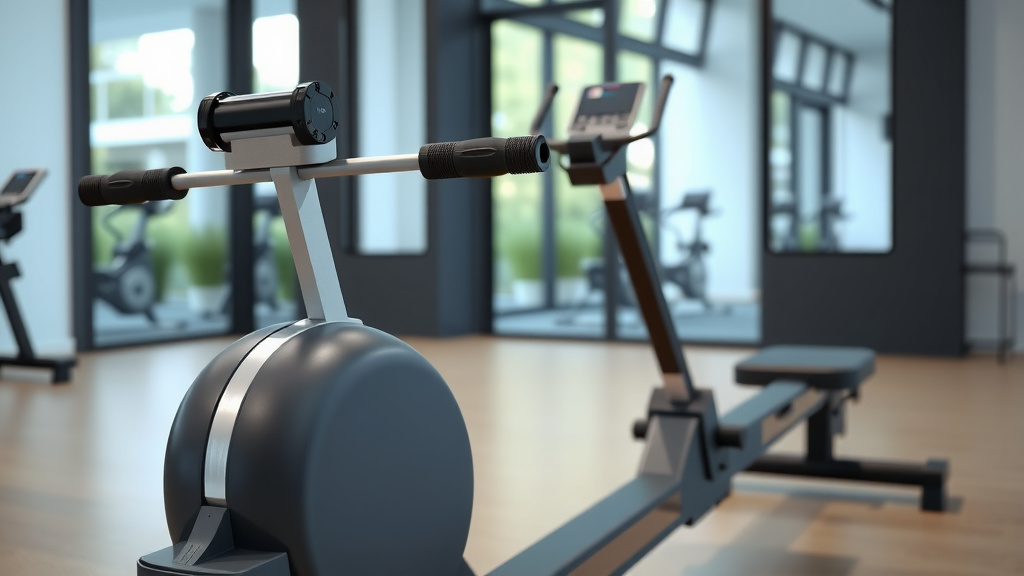
Yes, a rowing machine does work your biceps, but not as the primary muscle group. Your biceps function as important secondary muscles, assisting in the “pull” phase of the rowing stroke.
While rowing is fantastic for overall fitness, it’s the large muscles of your back and legs that bear most of the workload.
- Rowing engages biceps, but they are not the star of the show.
- The main focus is on your powerful legs, core, and back muscles.
- Good form helps activate biceps more effectively during the “pull.”
- For bigger biceps, consider adding dedicated arm exercises.
- A rowing machine offers an amazing, efficient full-body workout experience.
Does Rowing Machine Work Biceps?
Your biceps definitely play a role in rowing, helping you pull the handle towards your body. However, they are secondary muscles, supporting the larger muscle groups in your back.
Think of them as a supportive cast, not the main character. They assist, but don’t drive the main effort.
Understanding the Rowing Stroke: A Full-Body Dance
The rowing stroke is a beautiful, four-part movement. Each phase brings different muscles into action. It’s a complete body workout, engaging nearly all major muscle groups.
Let’s break down where your biceps fit into this athletic symphony.
The Drive: Leg Powerhouse
This is where the real power comes from. You push off the foot stretcher with your legs. Your glutes, quadriceps, and hamstrings do the heavy lifting here.
Your core muscles keep you stable. It’s like a powerful jump or squat, generating incredible force.
The Finish: Biceps’ Moment
As your legs extend, you lean back slightly. Then, you pull the handle towards your upper abdomen. This “pull” is where your biceps join the party.
However, your lats (large back muscles) and rhomboids are the main pullers here. Your biceps assist in bending the elbow.
The Recovery: Setting Up for Success
The recovery phase is all about control and preparation. You extend your arms forward, then lean forward, and finally bend your knees.
It’s a smooth, controlled motion. Your biceps are relaxing and lengthening during this part of the stroke.
Biceps: Secondary Players, Still Important
So, your biceps are active, but they aren’t leading the charge. They contribute significantly to the arm pull portion of the stroke.
Without them, that final part of the pull would feel much weaker. They help connect your back muscles to the handle.
Why Rowing Isn’t a Bicep Builder (Primarily)
If your goal is huge biceps, rowing might not be your fastest route. It’s designed for overall fitness, not muscle isolation.
Here’s why your biceps play a supporting role.
Muscle Recruitment Hierarchy
Your body is smart. It uses the largest, most powerful muscles first for any given task. For rowing, that’s your legs and back (American Council on Exercise).
Your biceps are smaller muscles. They step in when the bigger muscles need an assist, or for finer movements.
Focus on Functional Strength
Rowing builds functional strength. This means it improves how your muscles work together for everyday tasks. It’s not about isolating one muscle group.
You get strong for real-world movements, not just for flexing a single muscle.
Maximizing Bicep Engagement During Your Row
Want to feel your biceps a bit more while rowing? You can certainly make adjustments. Proper form is always the foundation.
Let’s look at a few ways to get those arm muscles more involved.
Focus on Proper Grip and Form
Your technique matters immensely. Incorrect form can shift effort away from the intended muscles, including your biceps.
A few small changes can make a big difference.
Relaxed Grip is Key
Don’t white-knuckle the handle. A relaxed, open grip lets your fingers act as hooks. This helps your back and biceps engage properly.
Gripping too tightly can fatigue your forearms unnecessarily.
Elbows Close, Shoulders Down
Keep your elbows relatively close to your body during the pull. Avoid flaring them out wide. This targets your lats more, which in turn helps your biceps assist.
Always keep your shoulders relaxed and down, not hunched up by your ears.
Slowing Down the Pull
A controlled, slightly slower pull phase can allow for more muscle engagement. Don’t just yank the handle quickly.
Focus on feeling your back muscles, then your biceps, do the work.
Considering Resistance Levels
Higher resistance can mean more force is needed. This might engage your biceps more, but be careful.
Too much resistance can lead to poor form and potential injury. Always prioritize good technique over brute force.
The Bigger Picture: Full-Body Benefits of Rowing
While we’re talking biceps, it’s vital to remember what a rowing machine truly offers. It’s one of the most comprehensive workouts available.
You’re not just moving arms; you’re moving your whole body.
Beyond the Biceps: Major Muscle Groups Engaged
Rowing is a symphony of muscles working together. It hits almost every major group. Think of it as a complete package for fitness.
Here’s a quick checklist of what gets a fantastic workout:
- Legs: Quadriceps, hamstrings, glutes
- Core: Abdominals, lower back muscles
- Back: Latissimus dorsi, rhomboids, trapezius
- Shoulders: Deltoids
- Arms: Biceps, triceps (pushing forward during recovery)
Cardiovascular Health
Rowing is an outstanding cardio exercise. It gets your heart rate up, improving your cardiovascular endurance. Regular rowing supports a healthy heart and lungs (NIH).
It’s a fantastic way to burn calories and boost your stamina.
Low-Impact Exercise
Unlike running, rowing is very kind to your joints. There’s no pounding or jarring impact. This makes it suitable for many people, including those with joint issues.
It offers a powerful workout without unnecessary stress on your body.
| Stroke Phase | Primary Muscles Worked | Secondary Muscles Worked |
|---|---|---|
| The Catch | Hamstrings, Calves | Core, Forearms |
| The Drive | Quadriceps, Glutes, Hamstrings | Core, Lower Back, Lats |
| The Finish | Lats, Rhomboids, Glutes, Core | Biceps, Deltoids, Trapezius |
| The Recovery | Hamstrings, Core (stabilizing) | Triceps (extending arms) |
Should You Add Bicep Isolation Work?
If building bigger, stronger biceps is a top priority, rowing alone won’t be enough. It’s a fantastic full-body workout, but not a bicep specialist.
Think of it as a foundational exercise, not a targeted builder.
When to Consider Extra Arm Work
If you really want those biceps to pop, add dedicated bicep exercises. Simple curls with dumbbells or resistance bands can make a huge difference.
Many experts say to combine compound exercises like rowing with isolation work for optimal muscle development (Mayo Clinic).
Conclusion
So, does a rowing machine work biceps? Yes, absolutely! Your biceps are engaged and contribute to the rowing stroke.
However, they are not the primary muscle group being targeted. The rowing machine is a champion for your legs, back, and core, providing a remarkable full-body, low-impact cardio and strength workout.
If you’re seeking substantial bicep growth, consider rowing as a fantastic foundational exercise. Then, add specific bicep isolation exercises to your routine. Enjoy the journey to a stronger, fitter you!
What is the main muscle group worked on a rowing machine?
The main muscle groups worked on a rowing machine are your legs (quadriceps, hamstrings, glutes), back (lats, rhomboids), and core muscles. These powerful muscles drive the majority of the stroke.
Is rowing enough to build strong arms?
Rowing builds functional strength in your arms, engaging both biceps and triceps. However, for significant arm muscle mass or definition, it’s often best to supplement rowing with targeted strength training exercises for your arms.
Can rowing help with overall muscle definition?
Yes, rowing is excellent for overall muscle definition. It works nearly 85% of your body’s muscles in a balanced way. Regular, consistent rowing can certainly help you achieve a more toned and defined physique across your entire body.
Does rowing burn a lot of calories?
Rowing is a highly effective calorie-burning exercise. Because it engages so many muscle groups and provides a great cardiovascular workout, you can burn a significant number of calories in a single session, contributing to weight management and fitness.
Is rowing a good workout for beginners?
Rowing is a fantastic workout for beginners due to its low-impact nature and full-body benefits. Starting with proper form is key, often by watching instructional videos or seeking guidance. You can easily adjust the intensity to match your fitness level.