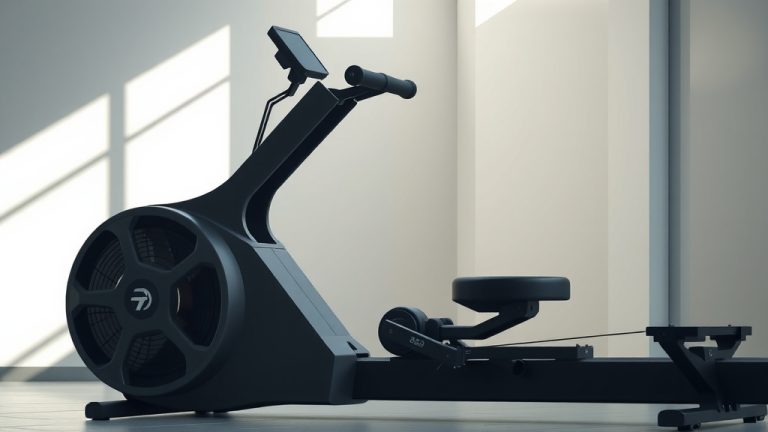
How Many Calories On Rowing Machine?
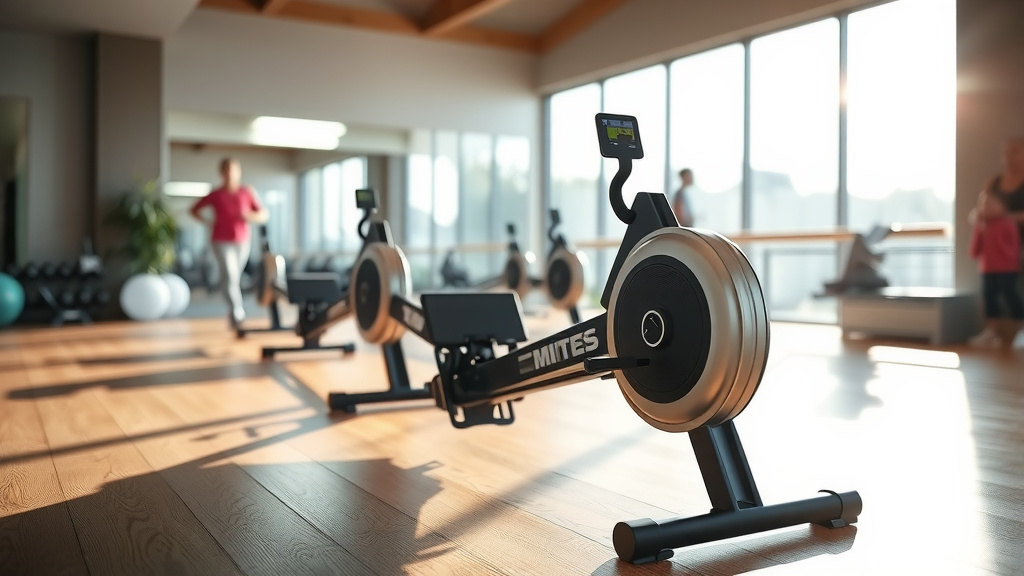
On a rowing machine, you can burn between 400 to 800 calories per hour, depending on your weight, intensity, and how long you row.
For example, a person weighing 150 pounds might burn around 250-300 calories in a 30-minute moderate rowing session.
- You can burn a significant number of calories on a rowing machine, often 400-800 per hour.
- Your body weight, the intensity of your strokes, and workout duration are the biggest factors.
- Using correct form ensures you work more muscles and burn more calories efficiently.
- Interval training and higher resistance settings will boost your calorie expenditure.
- Rowing offers a full-body, low-impact workout, making it great for fitness and weight management.
How Many Calories On Rowing Machine?
You can burn a substantial number of calories on a rowing machine, making it a fantastic tool for your fitness goals. A typical 30-minute session can help you burn anywhere from 200 to 400 calories, sometimes even more.
Factors That Affect Calorie Burn
Ever wondered why calorie counts differ so much? It’s not just about hopping on the machine. Several factors play a big role in your specific calorie burn. Let’s look at what truly makes a difference in your workout.
Your Weight Plays a Role
Simply put, the more you weigh, the more calories you generally burn. Your body uses more energy to move a heavier mass against resistance. This is why a 200-pound person will often see higher calorie numbers than a 120-pound person doing the same workout (Mayo Clinic).
Intensity Matters Most
This is probably the biggest factor. Are you leisurely gliding or truly pushing yourself? A high-intensity row, where you are breathing hard and sweating, will always burn more calories than a slow, relaxed pace. Think of it like a sprint versus a stroll.
Duration of Your Workout
This one feels obvious, right? The longer you row, the more calories you’ll burn. A 60-minute session will naturally torch more calories than a 15-minute quick blast. Consistency over time also builds endurance and strength.
Your Technique and Form
Good rowing form isn’t just about looking pro; it’s about efficiency and calorie burn. When you use your legs, core, and arms effectively, you engage more muscles. This leads to a higher metabolic demand and greater calorie expenditure. Poor form wastes energy and reduces your workout’s impact.
Average Calorie Burn Rates
To give you a clearer picture, we found some general estimates for calorie burn. Remember, these are averages, and your exact numbers may vary slightly. Consider these guidelines for your planning.
| Workout Type | 150 lb Person (Calories) | 200 lb Person (Calories) |
|---|---|---|
| Light Effort (30 mins) | ~180-220 | ~240-290 |
| Moderate Effort (30 mins) | ~250-300 | ~330-400 |
| Vigorous Effort (30 mins) | ~350-420 | ~470-560 |
Quick Row (10-15 Minutes)
Even a short, intense rowing session can be incredibly beneficial. For a 150-pound person, a 15-minute vigorous row could burn around 175-210 calories. It’s perfect for a quick energy boost or as part of a circuit.
Moderate Session (20-30 Minutes)
This is a common duration for many rowers. A moderate 30-minute session will burn a solid amount of calories, as shown in our table. It’s a great way to improve your cardiovascular fitness and build stamina.
Longer Endurance Row (45+ Minutes)
Pushing past 45 minutes moves into endurance territory. You’ll be challenging your stamina and racking up significant calorie burn. Many experts say these longer, steady-state rows are excellent for fat loss (NIH).
Boosting Your Rowing Calorie Burn
Want to maximize every stroke on your rower? There are smart ways to get more out of your workout. It’s not just about rowing harder; it’s about rowing smarter.
Interval Training on the Rower
High-Intensity Interval Training (HIIT) is your friend here. Alternate between periods of maximum effort and short recovery. For example, row as hard as you can for 1 minute, then row gently for 2 minutes, and repeat. This method keeps your heart rate high and boosts calorie burn even after you finish.
Steady-State with Resistance
Don’t forget about the resistance setting on your machine. While not the only factor, increasing the damper setting can make you work harder. Combine this with a steady, consistent pace to engage more muscle and burn more over time.
Adding Strength Training
Building more muscle means your body burns more calories even at rest. Including strength training exercises, like squats, lunges, and presses, on non-rowing days can increase your overall metabolism. Stronger muscles also improve your rowing power.
Why Rowing is Such a Great Workout
Beyond the impressive calorie burn, rowing offers a ton of benefits. It’s a truly comprehensive workout that supports your body in many ways. It’s often called a “full-body exercise” for good reason.
Full-Body Muscle Engagement
Many workouts focus on specific areas. Rowing, however, engages about 85% of your muscles across your legs, core, and upper body. You work your quads, hamstrings, glutes, lats, traps, triceps, and biceps all in one fluid motion. We found that this widespread engagement is a key factor in its calorie-burning power.
Low-Impact Cardio
Worried about your joints? Rowing is wonderfully low-impact. Unlike running, there’s no pounding on your knees or ankles. This makes it a fantastic option for almost anyone, including those with joint sensitivities or recovering from injury. You get a great cardio workout without the stress.
Tracking Your Progress
Knowing how many calories you’re burning can be a great motivator. Here’s how you can keep an eye on your progress and stay on track:
- Use Your Rower’s Monitor: Most modern rowing machines have built-in monitors that display calories burned, distance, and split times.
- Wearable Devices: Fitness trackers like smartwatches can offer more personalized data, factoring in your heart rate and other biometrics.
- Keep a Workout Journal: Manually logging your sessions helps you see trends and celebrate your improvements over time.
- Set Performance Goals: Instead of just calories, focus on distance, speed, or consistently holding a certain split time to gauge progress.
- Listen to Your Body: Your perceived effort is a good indicator of intensity. Are you sweating? Breathing hard? You’re working!
Using Your Rower’s Monitor
Your rowing machine’s monitor is your first and best friend for tracking. It provides real-time feedback on your strokes per minute, distance, and estimated calories. Just remember these numbers are often estimates based on algorithms.
Wearable Devices
For a more personalized estimate, consider a heart rate monitor or a fitness tracker. These devices use your personal data, like age, weight, and heart rate, to give a more accurate calorie count. Research often connects heart rate to more precise energy expenditure (CDC).
Conclusion
A rowing machine is an excellent choice for burning calories, building muscle, and boosting your overall fitness. The exact number of calories you burn will always depend on your weight, the intensity of your effort, and how long you row. By focusing on good form and incorporating varied workouts, you can really maximize your results. Whether you’re aiming for weight management or just better health, rowing offers a truly effective, full-body, and low-impact solution. So, grab those handles and get ready to sweat!
How accurate are rowing machine calorie counters?
Rowing machine calorie counters provide good estimates, but they are not perfectly accurate. They typically use a standard algorithm based on average body metrics. For a more personalized number, pair your rower with a heart rate monitor or a fitness tracker that considers your individual physiological data.
Can I lose weight just by rowing?
Yes, you can absolutely lose weight by rowing, especially when combined with a balanced diet. Rowing burns a significant amount of calories and builds muscle, both of which are key for weight loss. Consistency and varying your workout intensity will help you achieve your goals faster.
Is rowing better than running for calorie burn?
Both rowing and running are excellent for calorie burn. However, rowing is a full-body workout that engages more muscle groups simultaneously, potentially leading to a slightly higher calorie burn per minute for some individuals. It’s also lower impact, which can be easier on your joints.
How often should I row to see results?
For noticeable fitness and calorie-burning results, aim for at least 3-5 rowing sessions per week. Each session should be 20-45 minutes long, with a mix of moderate and high-intensity efforts. Listen to your body and include rest days to prevent overtraining.
Does resistance level affect calorie burn on a rower?
Yes, increasing the resistance level (damper setting) on your rower can affect calorie burn because it makes you work harder. While a higher setting doesn’t necessarily mean more force per stroke, it generally requires more physical effort to achieve the same split time, thus increasing your energy expenditure.