How to Keep a Rowing Machine Steady on a Rug?
On this page (3 sections)
Keeping your rowing machine steady on a rug is totally doable! The best way is to use a rubber mat or anti-slip pad underneath the machine’s feet. This creates a stable base and prevents wobbling during your workout. It’s a simple fix for a common problem.
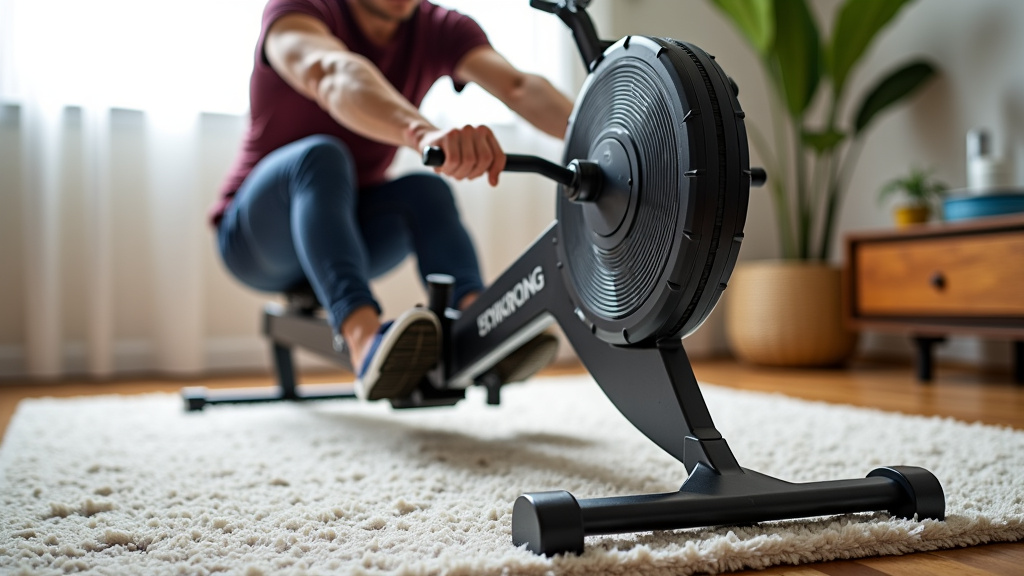
Rowing machines can feel unstable on softer surfaces like carpets. You might notice the machine sliding or rocking more than usual. Using the right kind of mat protects your rug and ensures a safer, more effective workout. We’ve found that investing in a good mat makes a big difference.
- Use a rubber mat or anti-slip pad for stability.
- Ensure the mat is large enough for the entire rower.
- Consider placing a flat board under the mat if the rug is very thick.
- Check for any loose parts on your rower that could cause instability.
Let’s walk through the best options to make sure your rower stays put, no matter how hard you push. You’ll be rowing smoothly in no time!
You’ve got your rowing machine set up, ready for a great workout. But as soon as you start, it feels a bit wobbly, right? That sliding or rocking motion can be distracting and even a little concerning. Don’t worry, it’s a common issue, especially when your rower is on a carpet or rug. You’re not alone in this!
Stabilizing Your Rower on Soft Flooring
Keeping your rowing machine steady on a rug is totally doable! The best way is to use a rubber mat or anti-slip pad underneath the machine’s feet. This creates a stable base and prevents wobbling during your workout. It’s a simple fix for a common problem.
Rowing machines can feel unstable on softer surfaces like carpets. You might notice the machine sliding or rocking more than usual. Using the right kind of mat protects your rug and ensures a safer, more effective workout. We’ve found that investing in a good mat makes a big difference.
Why Does a Rowing Machine Wobble on a Rug?
Think about it: the feet of your rowing machine are designed for hard, flat surfaces. When you place them on a plush rug, they sink in a bit. This uneven surface means the machine can easily tilt and shift. Your powerful rowing strokes can exaggerate this movement. It’s like trying to stand on a wobbly pillow – not very secure!
The flexibility of carpet fibers allows the machine’s legs to press down unevenly. One leg might sink more than another. This creates an immediate imbalance. Your workout intensity only adds to the instability. We found that even a slight wobble can affect your form over time.
The Best Solution: Anti-Slip Mats and Rubber Pads
The go-to solution is an anti-slip mat or a dedicated rubber pad. These are specifically designed to provide a firm, non-moving surface. They grip the floor beneath them and offer a stable platform for your rower’s feet.
You’ll want a mat that’s large enough to accommodate the entire rowing machine. This way, all its legs rest on the mat, not just some of them. A mat that’s too small won’t do much good. We found that mats made from dense rubber or EVA foam work exceptionally well.
Types of Anti-Slip Mats to Consider
There are a few types you can look into. Heavy-duty rubber mats are fantastic. They offer excellent grip and durability. Think of the kind you might see under gym equipment.
Another option is an interlocking EVA foam mat. These are often used for home gyms. They can be assembled to your desired size. They provide cushioning and stability. Many people find them a comfortable solution for their workout space.
What to Look for in a Quality Mat
When choosing a mat, consider its thickness and density. A thicker, denser mat will provide better support. It needs to be able to withstand the pressure from your rower. Also, check the texture. A mat with a textured surface can offer even more grip.
Look for mats that are specifically advertised as being for exercise equipment. These are usually engineered for this exact purpose. We found that mats designed to absorb shock are often the most effective at preventing movement. They essentially create a mini-stable gym floor right on your rug.
When a Mat Isn’t Enough: Adding a Solid Base
What if your rug is incredibly thick and plush? Even the best mat might sink into it. In these cases, you might need an extra layer of support. A flat, rigid board placed beneath the mat can solve this. This board acts as a solid foundation.
You can use a piece of plywood or a similar flat material. It should be large enough to cover the area where the rower will sit. Then, place your anti-slip mat on top of the board. Finally, put the rowing machine on the mat. This layered approach provides maximum stability.
Choosing the Right Base Material
Plywood is a common choice because it’s sturdy and readily available. Ensure it’s smooth and free of splinters. You don’t want any rough edges snagging your rug or mat. A thickness of around 1/2 inch to 3/4 inch is usually sufficient.
Other options include rigid plastic panels or even a large, flat cutting board if you have one available. The key is that it needs to be completely flat and non-flexible. We found that this added base layer makes a huge difference on very soft carpets.
Checking Your Rowing Machine Itself
Sometimes, the problem isn’t just the rug. It could be the rowing machine. Take a moment to inspect it. Are all the parts securely attached? Are the feet level and undamaged?
Make sure there are no loose bolts or screws. Sometimes, during assembly, a part might not be tightened properly. A quick check can prevent future issues. We found that loose components can often mimic the feeling of instability caused by flooring.
Ensuring Level Feet
Many rowing machines have adjustable feet. If yours does, use this feature. Place a spirit level on the main frame of your rower. Adjust the feet until the machine sits perfectly level. This is a critical step, even on hard floors.
If your rower doesn’t have adjustable feet, ensure the existing ones are all the same height and in good condition. Worn-out or uneven feet can cause wobbling. You can sometimes find replacement feet online if yours are damaged. We found that proper leveling is as important as the mat.
DIY Solutions and Their Limitations
Some people try DIY fixes like placing towels or old blankets under the rower. While this might offer a little cushioning, it usually doesn’t provide the necessary stability. These materials are too soft and flexible.
Another idea is using drawer liners. These can sometimes offer a bit of grip. However, they are often too small and not dense enough to support a heavy machine. We found that these short-term fixes rarely solve the problem long-term.
Why Dedicated Solutions are Superior
Dedicated exercise mats and pads are engineered for performance. They use materials that offer optimal grip and support. They are designed to withstand constant impact and pressure. This makes them a reliable and effective choice.
Investing in a proper mat is a small price to pay for a safer, more enjoyable workout. It also helps protect your rug from damage. You won’t have to worry about your rower digging into the fibers. We found that users report significantly better workout experiences with the right setup.
Quick Checklist for a Stable Rower
Here’s a quick rundown to get your rower steady:
- Inspect your rower for any loose parts or uneven feet.
- Choose a high-quality rubber mat or anti-slip pad.
- Ensure the mat is large enough for the entire machine.
- For very thick rugs, consider adding a flat, rigid board underneath the mat.
- Adjustable feet on your rower should be used to ensure it’s perfectly level.
- Test your rower after setup and make minor adjustments if needed.
By following these steps, you can transform your wobbly rower into a stable, reliable workout partner. You’ll be able to focus on your workout without distraction. Happy rowing!
Conclusion
You’ve learned how to tackle that rowing machine wobble head-on! By using the right anti-slip mat or rubber pad, you create a secure base. Remember to ensure the mat is big enough for your whole rower. If your rug is extra thick, a sturdy board underneath can be your secret weapon. A quick check of your rower’s feet and any loose parts also ensures stability. You’re now equipped to enjoy a much smoother, safer, and more effective workout right in your own home. Go ahead and take that next step to stabilize your rower today!
Frequently Asked Questions
Will a regular bath mat work under my rowing machine?
While a bath mat might offer some initial grip, we’ve found they aren’t usually dense or large enough to prevent wobbling. Dedicated exercise mats or heavy-duty rubber pads are specifically designed for this purpose, providing superior stability and durability for your rowing machine.
How do I know if my rowing machine’s feet are level?
You can check your rower’s levelness by placing a spirit level on its main frame. If your rower has adjustable feet, use them to fine-tune until the bubble on the level is centered. If your rower doesn’t have adjustable feet, ensure all existing feet are of equal height and condition.
Can I just put my rowing machine directly on the rug without anything underneath?
Placing your rowing machine directly on a rug will likely lead to wobbling and instability, as the rug fibers provide an uneven surface. This can not only make your workout less effective but may also cause premature wear on both your rug and the machine’s feet. We recommend always using a protective mat.
Is it necessary to buy a special mat, or can I use something from around the house?
While DIY solutions might seem appealing, we’ve found that dedicated exercise mats or rubber pads are far more effective. They are engineered with materials that provide the right amount of grip and support to keep your rower from sliding or rocking. Household items often lack the necessary density and surface area.
How large does the anti-slip mat need to be for my rowing machine?
The anti-slip mat should be large enough to comfortably accommodate the entire footprint of your rowing machine. This means all four (or more) of the rower’s feet should rest entirely on the mat. A mat that is too small won’t provide a stable platform and can still allow for movement.