How to Maintain a Water Rowing Machine Tank Water Quality?
On this page (8 sections)
Maintaining your water rowing machine’s tank water quality is simpler than you might think. You can keep the water clean and clear by regularly adding a purifying treatment and performing periodic small water changes. This prevents algae and bacteria growth, ensuring your rower functions smoothly and looks its best.
A murky or discolored tank isn’t just an eyesore. It can indicate that the water needs attention. Many users wonder about the best methods to keep their rowing machine’s water pristine. We’ve found that a combination of consistent upkeep and the right products makes a big difference.
- Add a purifying tablet after each fill.
- Change a portion of the water every 6-12 months.
- Clean the tank if algae or cloudiness appears.
- Use only purified or distilled water.
Let’s walk through exactly how to keep your rower’s tank water in top condition. We’ll cover the simple steps to prevent common issues and keep your machine ready for your next workout.
Keeping Your Water Rower’s Tank Sparkling
So, you’ve got a water rowing machine, and you’re wondering how to keep that water looking as clear as a mountain spring. It’s more important than just aesthetics! Cloudy water can be a sign of unwanted guests like algae and bacteria taking up residence. Nobody wants that during their workout. Luckily, with a little consistent effort, you can prevent these issues and keep your rower in tip-top shape. We’ve researched the best practices, and it boils down to a few simple, regular steps. Think of it like maintaining a car; a little upkeep goes a long way.
Why Water Quality Matters So Much
Your water rower’s tank is its heart. When the water is clear, it means your rower is working as it should. Cloudy or discolored water can signal problems brewing. These aren’t just minor annoyances; they can affect your rower’s performance and even its lifespan. We’ve found that untreated tank water can lead to several issues that might surprise you.
The Nitty-Gritty on Algae and Bacteria
Imagine tiny organisms having a party in your rower. That’s essentially what happens with algae and bacteria. They thrive in stagnant water, especially if it’s exposed to sunlight. Algae can turn your water green, while bacteria can make it cloudy and smelly. This isn’t just gross; it can clog internal components and reduce the rower’s efficiency. The Centers for Disease Control and Prevention (CDC) reminds us that improper water maintenance in recreational equipment can pose health risks.
Impact on Your Rowing Experience
Beyond the visual aspect, poor water quality can change the feel of your rowing stroke. While the water resistance is primarily determined by the water level and blade design, excessive gunk can subtly alter the flow. More importantly, a smelly or murky tank is demotivating. Your home gym should be a sanctuary, not a science experiment. Keeping it clean ensures every workout is as enjoyable and effective as the first.
Your Simple Water Maintenance Routine
Maintaining your water rower’s tank doesn’t require a chemistry degree. We’ve found that a routine focusing on purification and occasional changes is incredibly effective. It’s about prevention, not just reaction. Here’s a breakdown of what you should be doing.
The Power of Purifying Treatments
This is your first line of defense. Most water rowers come with recommended purifying tablets or solutions. These are specifically designed to kill bacteria and prevent algae growth. We found that using one tablet after each water change and refill is the most common advice from manufacturers.
How Often to Treat
The general rule is to add a purification tablet every time you refill the tank. If you’re doing a full water change, you’ll add one then. Some users find that if their rower sits unused for a long period, they might add a tablet every few months just to be safe, especially if it’s in a sunny spot. Always check your rower’s manual for specific product recommendations.
What Kind of Treatment?
Stick to what your manufacturer suggests. These are usually chlorine-free, making them safe for the rower’s components. Avoid using household bleach or other harsh chemicals. These can damage the tank, seals, and even the blades. We found that specialized rower treatments are inexpensive and formulated for this exact purpose.
The Importance of Using the Right Water
What goes into the tank matters. Using tap water might seem like the easiest option, but it can contain minerals and impurities that contribute to cloudiness and scale buildup over time. Many experts recommend using purified or distilled water. This type of water is free from the minerals found in tap water.
Why Distilled or Purified Water?
Distilled water has had impurities, minerals, and microscopic organisms removed through distillation. Purified water has also undergone a rigorous cleaning process. Using these types of water provides a cleaner base for your tank. This means fewer additives are needed to keep it clear and less chance of scale forming. We found that this simple step significantly extends the time between needing a full water change.
Is Tap Water Really That Bad?
For many, tap water is perfectly fine, especially if you use the recommended purifying tablets diligently. However, if you live in an area with very hard water (high mineral content), you might notice cloudiness appearing sooner. If you experience this, switching to distilled or purified water is an easy fix. A common suggestion from user forums is to use tap water for initial filling and then top off with a gallon or two of distilled water for a good balance.
When and How to Change Your Rower’s Water
Even with regular purification, water doesn’t stay pristine forever. Over time, dissolved solids and the breakdown of purifying agents mean it’s time for a refresh. Planning for water changes is a key part of maintenance. We’ve seen that most users find a rhythm that works for them.
Frequency of Water Changes
This is where recommendations can vary. Many manufacturers suggest a full water change every 6 to 12 months. However, this can depend on several factors. How often do you use the rower? Is it stored in a sunny spot? Do you see any signs of cloudiness or algae? If you notice the water getting less clear or developing an odor, it’s probably time for a change, regardless of the calendar.
Factors Affecting Change Frequency
Sunlight is a major catalyst for algae growth. If your rower is near a window, you might need to change the water more frequently, perhaps every 4-6 months. Heavy usage can also mean more sweat and skin cells entering the water, potentially speeding up the need for a change. We found that keeping a simple log of your last water change can help you stay on track.
The Water Changing Process Explained
Don’t worry, it’s not as daunting as it sounds. Most water rowers come with a siphon pump or hose for easy draining. You’ll typically drain about 50-75% of the water. Then, you’ll refill the tank with fresh, purified or distilled water. Remember to add a new purifying tablet after you refill!
Draining the Old Water
You’ll want a bucket or container ready to catch the old water. Use the provided siphon or a small submersible pump if you have one. Place one end of the hose in the tank and the other in your bucket. Pump until you’ve removed the desired amount of water. Some rowers have drain plugs which make this even simpler.
Refilling and Re-Treating
Once drained, use your fresh purified or distilled water to fill the tank back up to the recommended level, usually indicated by a fill line or marking on the tank itself. Overfilling can cause issues, so check your rower’s manual. Finally, drop in a new purifying tablet and give the tank a gentle swirl to mix it in. You’re now good to go for another several months!
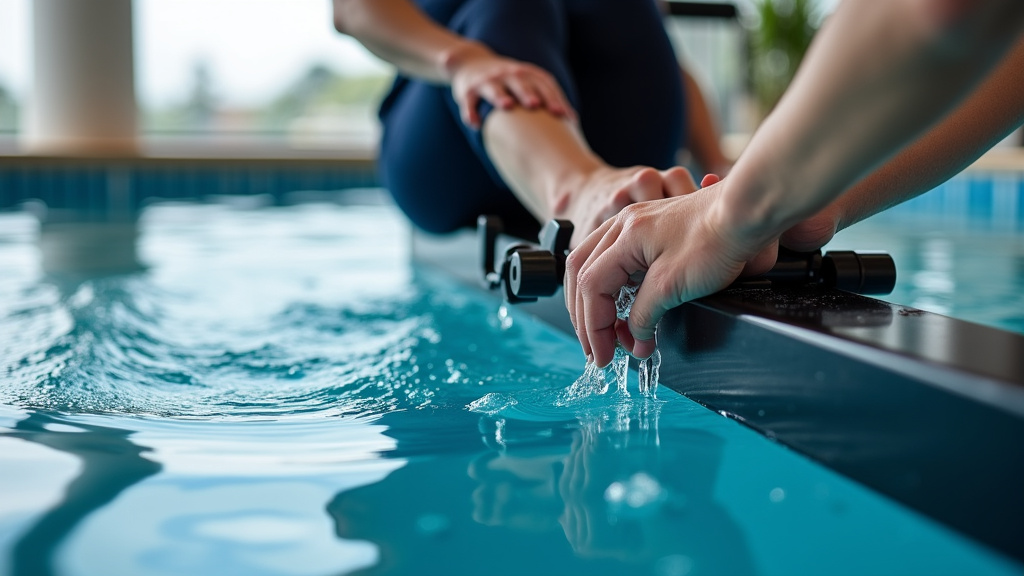
Dealing with Uninvited Guests: Cleaning Your Tank
Sometimes, despite your best efforts, algae or cloudiness can appear. This means it’s time for a more thorough cleaning. It’s usually a simple process that will restore your rower to its former glory. We’ve found that addressing these issues promptly prevents them from becoming major problems.
When to Perform a Deep Clean
If you notice significant cloudiness, a bad odor, or visible green/brown slime, it’s time for a full tank clean and water change. Don’t wait for these symptoms to worsen. The sooner you tackle it, the easier the cleaning will be. Think of it as giving your rower a spa day.
Your Step-by-Step Cleaning Guide
First, perform a complete water change, draining all the old water. Then, you might use a soft cloth or sponge with a little mild soap (like dish soap) and water to wipe down the inside of the tank. Be sure to rinse thoroughly to remove any soap residue. After rinsing, refill with fresh water and add your purifying tablet. For stubborn algae, some manufacturers suggest a very dilute solution of white vinegar and water (rinse very well afterward), but always check your manual first.
Checklist for Pristine Tank Water
To make keeping your water rower’s tank clean even easier, here’s a quick checklist:
- Add a purifying tablet after every water change.
- Use distilled or purified water for refills whenever possible.
- Drain and refill tank water every 6-12 months, or sooner if cloudy.
- Wipe down the tank with a soft cloth if any residue appears.
- Ensure the rower is not in direct sunlight for extended periods.
- Check your rower’s manual for specific product recommendations.
Conclusion
You’ve now learned the straightforward steps to keep your water rowing machine’s tank water clear and inviting. Consistent use of purifying treatments and timely water changes are your best tools. Using the right type of water and cleaning your tank when needed are also key. By following these simple practices, you ensure your rower performs optimally and remains a clean, motivating part of your fitness routine. Your next step is to check your rower’s manual for any specific product recommendations and set a reminder for your next water change or cleaning!
Frequently Asked Questions
How do I know if my water rower’s tank needs cleaning?
You’ll know it’s time for a cleaning if you notice the water becoming cloudy, developing an unpleasant odor, or seeing any visible algae growth. These are clear signs that bacteria or algae are starting to take hold.
Can I use regular tap water in my rower’s tank?
While you can use tap water, especially if you’re diligent with purifying tablets, it might lead to cloudiness sooner if you have hard water. Using purified or distilled water provides a cleaner starting point and can reduce mineral buildup.
What happens if I don’t use any purifying tablets?
Without purifying tablets, bacteria and algae are much more likely to grow rapidly in the stagnant water. This can lead to smelly, cloudy water, potential clogs, and a less pleasant rowing experience.
How often should I actually change the water?
Most manufacturers suggest a full water change every 6 to 12 months. However, this can be more frequent if your rower is exposed to sunlight or if you notice cloudiness or odor developing sooner.
What if I accidentally use tap water with chemicals, like bleach?
You should avoid using household chemicals like bleach. They can damage the plastic tank, seals, and internal components of your rower. Always stick to manufacturer-approved purification treatments designed for water rowers.