
How to Use a Rowing Machine for HIIT?
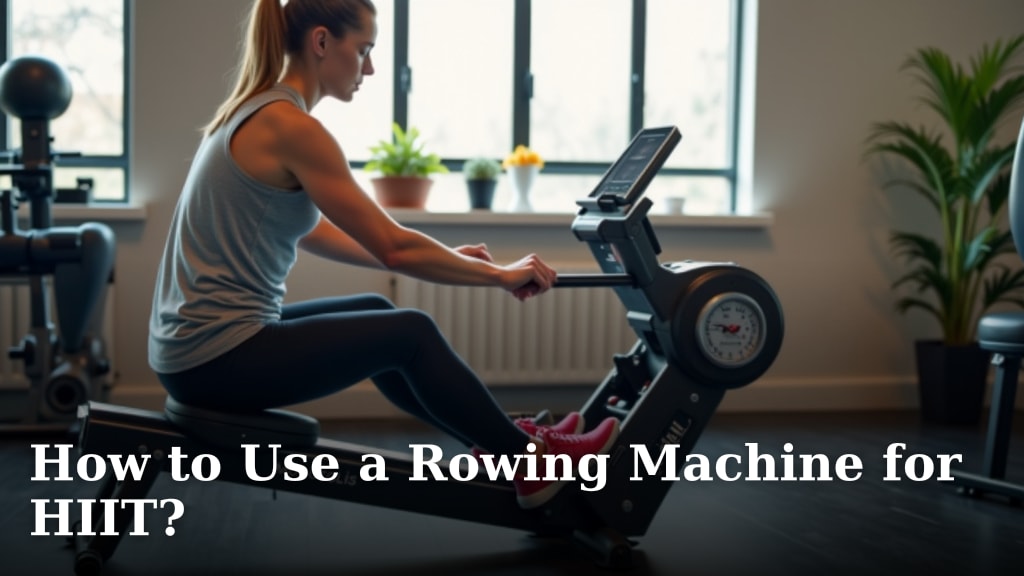
Yes, you absolutely can use a rowing machine for HIIT workouts! It’s a fantastic way to get a full-body, high-intensity cardio session in a short amount of time. Rowing engages both your upper and lower body, making it perfect for burning calories and boosting your fitness.
Many fitness enthusiasts find rowing machines to be an excellent tool for HIIT. We found that incorporating rowing into your high-intensity interval training can maximize calorie burn and improve your cardiovascular health efficiently. It’s a low-impact exercise that still delivers powerful results.
- HIIT on a rower offers a great full-body workout.
- You can achieve high calorie burn in short, intense sessions.
- It’s effective for boosting cardiovascular fitness.
- Rowing is a low-impact exercise choice.
Ready to turn that rower into your personal HIIT machine? Let’s get into how you can do just that! If you’re new to rowing, our guide on how to use a rowing machine can help you get started.
Getting the Most From Your Rowing Machine for HIIT
Ready to transform your rowing machine into a high-intensity interval training powerhouse? It’s simpler than you might think! You can absolutely use your rower for effective HIIT workouts. We found that rowing provides a fantastic full-body challenge that’s perfect for quick, intense sessions. Let’s dive into how you can make it happen.
Understanding the Basics of Rowing HIIT
HIIT, or High-Intensity Interval Training, involves short bursts of intense exercise followed by brief recovery periods. When you apply this to a rowing machine, you’re pushing your cardiovascular system to its limits. This method is great for burning calories and improving your endurance in a shorter workout time. Many fitness professionals agree that this approach can boost your metabolism effectively.
Setting Up Your Rower for Success
Before you even start rowing, make sure your machine is ready. Check the damper setting. A damper setting of 3 to 5 is often recommended for general training. This setting influences how the flywheel feels. It’s not about making it “harder” like a gear shift. Instead, it affects the air resistance and the sound of the stroke. For HIIT, you’ll want a setting that allows for quick, powerful movements.
Damper Settings Explained
Think of the damper like a volume knob for air. A lower damper means less air resistance, making the stroke feel lighter and quicker. A higher damper means more air resistance, feeling heavier and slower. For sprints, you don’t need the highest setting. You need a setting that lets you generate power quickly without feeling like you’re fighting molasses.
Mastering the Rowing Stroke for Power
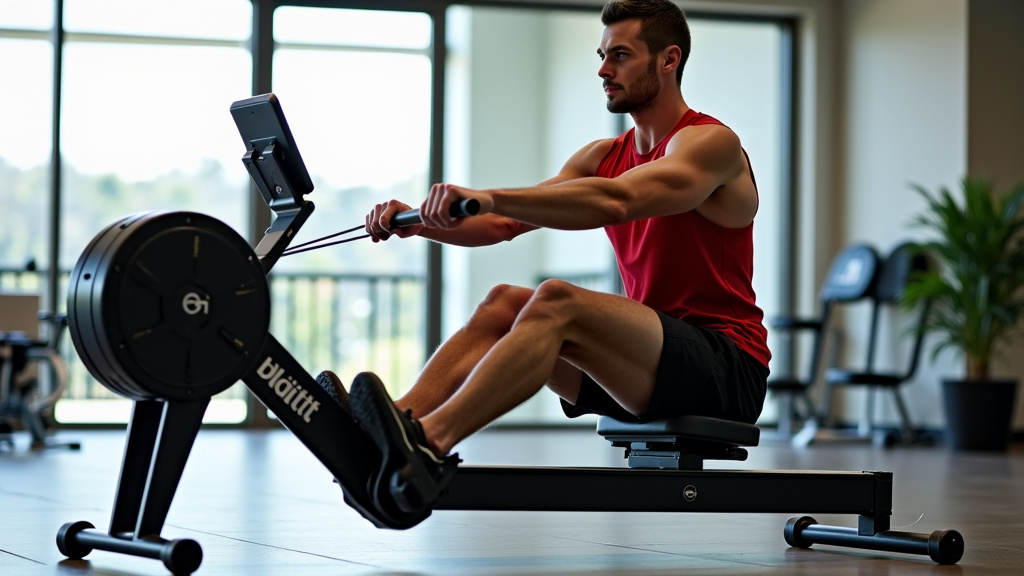
Your rowing technique is key to getting the most out of your HIIT sessions. A strong stroke ensures you engage the right muscles and get an efficient workout. It’s a sequence: Legs, Core, Arms. Then reverse: Arms, Core, Legs.
First, your legs drive the power. Push off the footrests powerfully. Next, your torso swings back slightly, engaging your core. Finally, pull with your arms to bring the handle to your chest. For the recovery, extend your arms, lean back slightly, and then bend your knees to slide forward. Focus on a smooth, controlled motion.
Designing Your Rowing HIIT Workout
Now for the fun part: building your workout! The core idea is short, intense work intervals followed by rest or light activity. We found that a 1:1 or 1:2 work-to-rest ratio is a good starting point for many.
Sample HIIT Protocols
Here are a couple of popular ways to structure your rowing HIIT:
- Tabata: 20 seconds of maximum effort rowing, followed by 10 seconds of rest. Repeat for 8 rounds (4 minutes total). You can do multiple Tabata intervals with short breaks in between.
- 20/10 Intervals: This is essentially the same as Tabata. You’ll find many programs use this 20-second work, 10-second rest structure.
- 30/30 Intervals: 30 seconds of hard rowing, 30 seconds of very light rowing or complete rest. This gives you a bit more recovery time.
- 1-Minute Sprints: 60 seconds of intense rowing followed by 60 seconds of light recovery. This is a bit longer, so you might aim for fewer rounds.
Customizing Your Intervals
Don’t be afraid to adjust. If 20 seconds is too much, start with 15. If 10 seconds of rest isn’t enough, extend it to 15 or 20. The goal is to push yourself during the work intervals. You should feel breathless. Your recovery should allow you to catch your breath enough for the next hard push. Many sources suggest listening to your body is key.
Measuring Your Effort During HIIT
How do you know if you’re going hard enough? Your heart rate is a good indicator. During the high-intensity intervals, you want your heart rate to be in the 80-90% zone of your maximum heart rate. During the recovery periods, it should drop significantly.
Many rowing machines display your current heart rate if you have a compatible monitor. If not, you can use the Rate of Perceived Exertion (RPE) scale. On a scale of 1 to 10, where 1 is resting and 10 is the hardest you can possibly go, your work intervals should be an RPE of 8 or 9. Your recovery should be an RPE of 2 or 3. This subjective feeling is a reliable measure of intensity.
Example Rowing HIIT Workout Structure
Let’s put it all together. Here’s a sample workout you could try:
| Phase | Duration | Activity | Notes |
|---|---|---|---|
| Warm-up | 5 minutes | Light rowing, gradually increasing intensity | Focus on smooth technique. |
| Work Interval 1 | 20 seconds | Max effort sprint | Push as hard as you can. |
| Rest Interval 1 | 10 seconds | Complete rest or very light rowing | Catch your breath. |
| Repeat | 7 more times | Work/Rest Intervals | Total 8 rounds of 20/10. |
| Active Recovery | 2 minutes | Very light, easy rowing | Shake out your legs. |
| Work Interval 2 | 30 seconds | High effort rowing | Slightly less than max, but still hard. |
| Rest Interval 2 | 30 seconds | Very light rowing | Focus on breathing. |
| Repeat | 4 more times | Work/Rest Intervals | Total 5 rounds of 30/30. |
| Cool-down | 5 minutes | Very light rowing, then stretching | Allow heart rate to lower. |
Important Considerations for Rowing HIIT
While rowing HIIT is incredibly effective, there are a few things to keep in mind. Safety and consistency are paramount. You don’t want to go all-out every single day. Your body needs time to recover and adapt. We found that mixing HIIT days with lower-intensity steady-state rowing or strength training provides a balanced fitness routine.
Also, hydrate well before, during, and after your workout. Proper nutrition supports your recovery and performance. If you have any underlying health conditions, it’s always wise to consult with a doctor before starting a new, intense exercise program. Many health organizations suggest this step.
Making Rowing HIIT a Habit
Consistency is key to seeing results. Aim to incorporate rowing HIIT into your routine 1-3 times per week, depending on your overall training schedule. Here’s a quick checklist to keep you on track:
- Warm up properly before each session.
- Focus on your form during every stroke.
- Push hard during your work intervals.
- Recover adequately during rest periods.
- Listen to your body and adjust as needed.
- Cool down and stretch afterward.
Conclusion
You’re now equipped to transform your rowing machine into an effective HIIT workout tool. We’ve covered how to set up your machine, master the stroke, and design killer interval sessions. Remember, the key is pushing hard during your work periods and recovering enough to do it again. Consistency and listening to your body will help you see amazing results. Your next step? Pick a workout structure from above and hop on your rower for your first high-intensity session!
Frequently Asked Questions
How long should a rowing HIIT workout be?
Rowing HIIT workouts are designed to be short and effective. Aim for 15-30 minutes total, including warm-up and cool-down. The intense intervals themselves are often just a few minutes long.
Is rowing good for HIIT if I’m a beginner?
Yes, rowing can be great for HIIT beginners. You can start with longer rest periods or shorter work intervals. Focusing on good form helps prevent injury while building your fitness base.
How do I know if I’m rowing hard enough during HIIT?
You should feel breathless and challenged during your work intervals. Use the Rate of Perceived Exertion (RPE) scale; aim for an 8 or 9 out of 10. Your heart rate should also be in the 80-90% zone of your maximum.
Can I do rowing HIIT every day?
It’s generally not recommended to do intense rowing HIIT every single day. Your body needs time to recover and rebuild. We suggest incorporating it 2-3 times a week, balancing it with other activities.
What’s the difference between rowing for endurance and rowing for HIIT?
Endurance rowing focuses on longer durations at a moderate pace to build stamina. HIIT rowing involves short, all-out bursts of effort followed by brief recovery periods to maximize calorie burn and cardiovascular intensity in less time.
