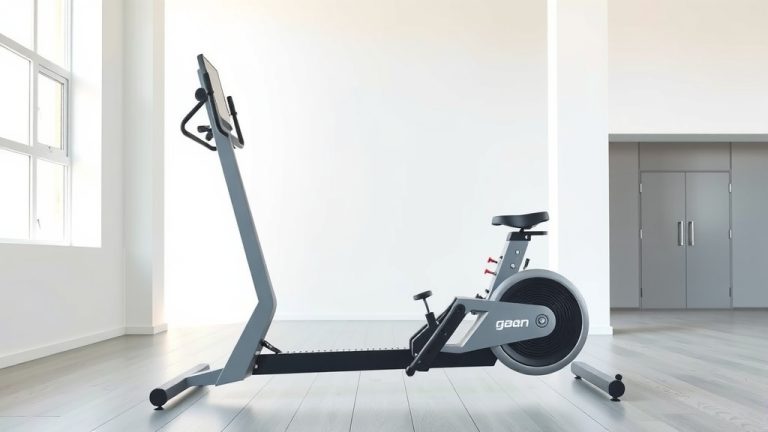
How To Use Rowing Machine For Cardio?
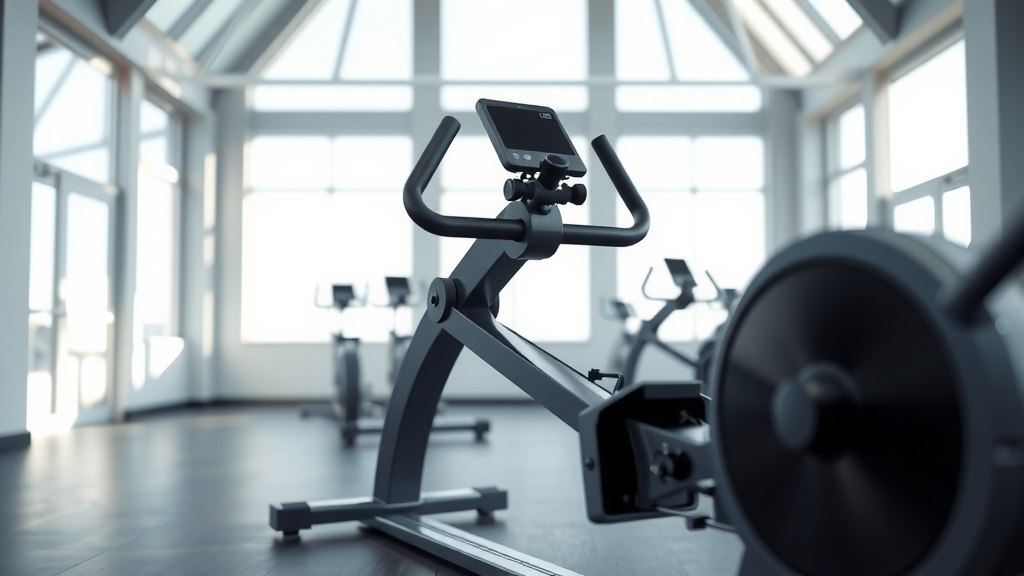
You can use a rowing machine for cardio by performing continuous, moderate-intensity strokes that elevate your heart rate and challenge multiple muscle groups.
For effective cardio, aim for steady-state rowing sessions lasting 20-30 minutes, keeping your stroke rate consistent and power output moderate to high.
Here’s a quick overview of what you’ll find in this guide:
- Rowing offers an exceptional full-body cardiovascular workout.
- Proper technique is key for both safety and maximum effectiveness.
- You can choose between steady-state or high-intensity interval training (HIIT).
- Consistency and listening to your body are vital for long-term results.
- It is a low-impact exercise, gentle on your joints.
How To Use Rowing Machine For Cardio?
To effectively use a rowing machine for cardio, focus on maintaining a consistent rhythm and effort level that keeps your heart rate elevated for an extended period. This involves blending power and controlled movement into a fluid, repetitive motion.
Why Rowing Shines for Cardio Fitness
Rowing is often called the “ultimate full-body workout” for good reason. It engages about 86% of your muscles with every single stroke, making it incredibly efficient for cardiovascular conditioning (Harvard Health Publishing).
Understanding the Full-Body Workout
Think about it: your legs push off, your core stabilizes, and your arms pull the handle. This combination works your quads, hamstrings, glutes, core, back, and arms all at once. It’s like doing a leg press, a plank, and a row simultaneously.
Low-Impact, High Reward
Unlike running, rowing offers a fantastic cardio workout without the jarring impact on your joints. This makes it a great option if you have knee issues or are recovering from certain injuries (Mayo Clinic).
Perfecting Your Rowing Technique
Proper form is non-negotiable for an effective and safe rowing workout. Bad form can lead to injury and reduce the cardio benefits. Let’s break down the stroke into its fundamental parts, so you can row like a pro.
The Four Phases of a Stroke
Many experts simplify the rowing stroke into four distinct phases: The Catch, The Drive, The Finish, and The Recovery. Understanding these will help you master the movement.
The Catch
This is where you start, up at the front of the machine. Your knees are bent, shins vertical, and arms extended forward. Your back should be straight, but with a slight forward lean from the hips.
The Drive
Push off powerfully with your legs first, like jumping. Once your legs are almost straight, lean back slightly from your hips, and then pull the handle towards your upper abdomen. Remember, legs, then body, then arms.
The Finish
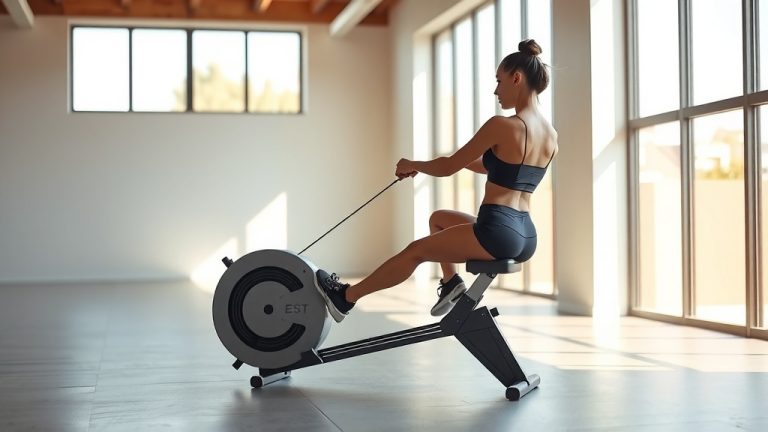
At the end of the drive, your legs are straight, you’re leaning back slightly, and the handle is at your ribcage. Your elbows should be tucked close to your body. This is your most powerful position, where the muscle groups are fully engaged.
The Recovery
This is the reverse of the drive – arms, then body, then legs. Extend your arms first, then lean forward from your hips, and finally, bend your knees to slide back to the catch position. It’s a controlled, smooth motion.
Damper Setting Demystified
The damper setting on your rower controls the airflow into the flywheel, affecting the “feel” of the stroke. A higher setting doesn’t mean more resistance; it just feels like a heavier boat. For cardio, we found that settings between 3-5 are often ideal, offering a smooth yet challenging workout (Concept2).
Cardio Workout Strategies
There are a couple of main ways to approach your cardio on a rowing machine. Both are effective, but they achieve different fitness goals.
Steady-State Endurance Rowing
This is the classic cardio approach. You maintain a moderate, consistent pace for an extended period, usually 20-45 minutes. Your breath should be heavy, but you should still be able to hold a short conversation.
Steady-state rowing builds your aerobic capacity and helps improve cardiovascular health over time. It’s like a marathon, focusing on stamina rather than sprints.
High-Intensity Interval Rowing (HIIT)
HIIT involves short bursts of maximum effort followed by periods of low-intensity recovery. An example might be 1 minute of all-out rowing, followed by 2 minutes of easy rowing, repeated several times. This strategy is fantastic for burning calories quickly and boosting metabolism (American Council on Exercise).
| Cardio Style | Pace | Duration | Primary Benefit |
|---|---|---|---|
| Steady-State | Moderate, Consistent | 20-45+ minutes | Aerobic Endurance |
| HIIT | Alternating Max/Easy | 15-30 minutes | Calorie Burn, Metabolism |
Crafting Your Weekly Routine
How often should you row for cardio? Many experts recommend 150 minutes of moderate-intensity or 75 minutes of vigorous-intensity cardio per week (CDC). You can easily hit these targets with a rowing machine.
Sample Beginner Workout
If you’re just starting, try three 20-30 minute steady-state rows per week. Focus on maintaining good form and a comfortable, sustainable pace. Gradually increase your duration as you get fitter.
Monitoring Your Heart Rate
To ensure you’re getting effective cardio, consider monitoring your heart rate. For moderate intensity, aim for 50-70% of your maximum heart rate. For vigorous, target 70-85% (American Heart Association).
Staying Safe and Motivated
Consistency is your best friend when it comes to fitness. Here are some tips to keep you on track and prevent common pitfalls.
Common Form Pitfalls
Watch out for rounding your back, pulling with your arms too early, or hunching your shoulders. These can cause discomfort or injury. Focus on smooth, controlled movements throughout the stroke.
Hydration and Recovery Tips
Always drink plenty of water before, during, and after your workout. Don’t forget to stretch gently afterward. Recovery is just as important as the workout itself for muscle repair and growth.
Here’s a quick checklist to make your rowing session great:
- Hydrate well before starting.
- Adjust foot straps securely.
- Set a comfortable damper level (3-5 usually).
- Focus on a strong leg push first.
- Keep your core engaged throughout.
- Perform a brief cool-down stretch.
Conclusion
Using a rowing machine for cardio is an incredibly effective and efficient way to boost your fitness. It offers a full-body workout, is kind to your joints, and can be adapted to various intensity levels. By focusing on proper form, choosing the right workout style, and staying consistent, you’ll see great results in your cardiovascular health and overall well-being. So, hop on that rower and let those muscles work!
FAQs About Rowing Cardio
How long should a beginner row for cardio?
A beginner should aim for 20-30 minute sessions, three times a week, focusing on a comfortable, steady pace and mastering proper form. Gradually increase duration or intensity as your fitness improves.
What heart rate zone should I aim for during cardio rowing?
For moderate cardio, target 50-70% of your maximum heart rate. If you’re looking for more vigorous training, aim for 70-85%. A heart rate monitor can help you stay in the right zone.
Is rowing better than running for cardio?
Neither is inherently “better”; they offer different benefits. Rowing provides a full-body, low-impact cardio workout, engaging more muscle groups than running. Running is a high-impact, primarily lower-body workout. Your choice depends on your fitness goals and joint health.
Can I lose weight doing cardio on a rowing machine?
Yes, consistent cardio on a rowing machine, combined with a balanced diet, can definitely contribute to weight loss. Rowing burns a significant amount of calories because it uses so many muscles simultaneously.
How often should I change my rowing workout routine?
It’s beneficial to vary your routine every 4-6 weeks to challenge your body and prevent plateaus. This could mean switching between steady-state and HIIT, or increasing your workout duration or intensity.