Is a Magnetic Rowing Machine Better Than a Water Rowing Machine?
On this page (3 sections)
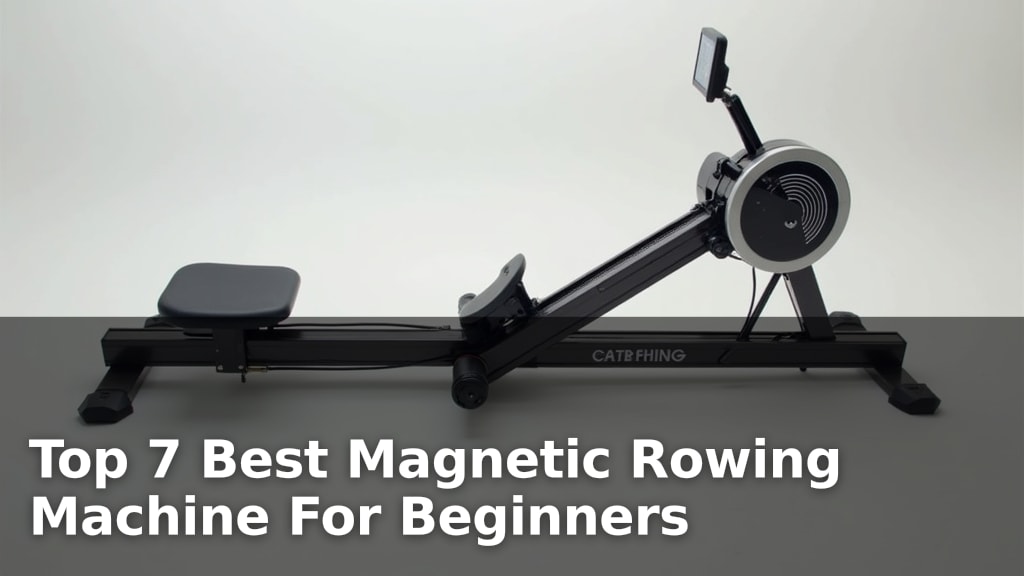
Neither a magnetic rowing machine nor a water rowing machine is definitively “better” than the other; your ideal choice depends on your personal preferences and fitness goals. We found that magnetic rowers offer consistent resistance and quiet operation, while water rowers provide a more realistic, immersive rowing feel.
Choosing the right rowing machine means considering several factors. Do you prioritize a smooth, quiet workout or the dynamic sound and feel of water? We found that each type offers distinct benefits for different users.
- Magnetic rowers are quieter.
- Water rowers feel more like real rowing.
- Resistance varies between types.
- Consider your budget and space.
- Both offer excellent full-body workouts.
Let’s explore the key differences between these two popular rowing machine types. We’ll help you decide which one is perfect for your home gym.
Comparing Magnetic vs. Water Rowers: Which Is Your Perfect Match?
Deciding between a magnetic and a water rowing machine often comes down to your personal workout style, budget, and how much noise you can tolerate. We found that each type offers a distinct rowing experience tailored to different preferences.
Understanding How Resistance Works
The core difference between these two machines lies in how they create resistance. This resistance is what makes your muscles work hard and gives you an effective workout.
Magnetic Rowing Machines: Consistent and Quiet
Magnetic rowers use a system of magnets and a flywheel to generate resistance. When you pull the handle, the flywheel spins past the magnets.
You can usually adjust the intensity by moving the magnets closer to or further from the flywheel. This changes the magnetic field.
- Smooth Resistance: We found that magnetic resistance is very consistent throughout the entire stroke. It feels the same from start to finish.
- Adjustable Levels: Most magnetic rowers offer a wide range of resistance levels. You can easily dial up or down the intensity with a knob or digital control.
- Virtually Silent: This is a big plus for many people. Magnetic rowers are incredibly quiet, making them ideal for apartments or homes where noise might disturb others.
Water Rowing Machines: Natural and Dynamic
Water rowers simulate the feeling of rowing on actual water. They use a flywheel submerged in a tank of water.
When you pull the handle, the flywheel spins through the water, creating drag. This drag is your resistance.
- Natural Feel: Many users say water rowers offer the most realistic rowing experience. The resistance feels very much like rowing a boat on a lake.
- Dynamic Resistance: We found that the resistance on a water rower is “self-regulating.” The harder you pull, the more resistance you feel, just like in a real boat. This is known as “fluid resistance.”
- Soothing Sound: Unlike the quiet magnetic rower, water rowers produce a gentle, swishing sound with each stroke. Many people find this sound relaxing and motivating.
Workout Experience: What It Feels Like
Beyond how they create resistance, the actual feeling of using each machine is quite different. Your preference here will heavily influence your choice.
The Magnetic Machine Experience
Using a magnetic rower often feels very controlled. You set your resistance level, and it stays pretty constant.
This can be great for structured workouts where you want to maintain a specific intensity. We found them excellent for interval training because you can quickly change resistance.
You might appreciate the smooth, gliding motion and the ability to listen to music or watch TV without interruption. It’s a very straightforward and efficient workout.
The Water Machine Experience
Water rowers offer a more immersive and engaging workout. The resistance builds as you accelerate your stroke, mimicking the dynamics of rowing on water.
This means your effort directly impacts the resistance you feel. The faster and stronger you pull, the harder the workout becomes.
The sound of the water can be quite meditative for some. Many users report feeling more connected to the exercise, almost like they are really out on the water. It’s a more sensory experience.
Noise Levels: A Key Deciding Factor
For many home gym owners, noise is a serious consideration. Do you live in an apartment? Do you work out early in the morning or late at night?
- Magnetic Rowers: These are hands down the quietest option. The magnetic braking system creates very little sound, typically just the faint hum of the flywheel and the sliding of the seat. If silence is golden for your workout space, this is your machine.
- Water Rowers: While not loud or jarring, water rowers do produce sound. The distinctive “swish” or “whoosh” of the water in the tank can be quite noticeable. We found that most people enjoy this sound, but if you need absolute quiet, it might not be for you.
Maintenance, Durability, and Cost
Let’s talk about the practical aspects of owning one of these machines.
Care and Upkeep
Generally, both types of rowers are quite durable and low-maintenance. However, there are some differences.
- Magnetic Rowers: Require very little maintenance. You might need to wipe them down after use and occasionally check for loose bolts. No water means no concerns about leaks or algae.
- Water Rowers: Also generally durable. The main maintenance task is treating the water in the tank every few months to prevent algae growth. You usually add purification tablets (often included). We found that some users might need to refill the tank occasionally due to evaporation.
Price Point
Your budget will certainly play a role in your decision.
We found that magnetic rowing machines often start at a lower price point than water rowers. You can find good quality magnetic rowers for moderate prices.
Water rowers tend to be a bit more expensive on average. Their construction, particularly the water tank system, can drive up the cost. However, both types have high-end models that can be quite pricey.
Space and Portability Considerations
Where will your rower live? How much space do you have?
- Footprint: Both magnetic and water rowers typically have a long, narrow footprint when in use. Most models are designed to be relatively similar in length.
- Storage: We found that many models of both types offer foldable designs or can be stood upright for storage. This is a crucial feature if you have limited space. Always check the product specifications for exact dimensions and storage capabilities.
- Weight: Water rowers can be heavier, especially when the water tank is full. This might make them a little harder to move around if you need to reposition them frequently. Magnetic rowers are usually lighter.
A Quick Comparison Checklist
Still on the fence? Here’s a quick rundown of key differences to help you decide:
Ask yourself these questions:
- Do I need a very quiet workout environment? (Magnetic)
- Do I want a natural, on-the-water rowing feel? (Water)
- Is budget my top priority? (Magnetic often more affordable)
- Do I prefer consistent, set resistance levels? (Magnetic)
- Do I enjoy the sound of swishing water? (Water)
- Am I comfortable with occasional water treatment? (Water)
Which Rower Is Right for Your Fitness Goals?
Ultimately, the “better” rower is the one that you’ll use consistently and enjoy. Think about what motivates you and what kind of workout experience you truly want.
Choose a Magnetic Rower If:
- You prioritize a very quiet workout.
- You want consistent, easily adjustable resistance.
- You’re looking for a generally more budget-friendly option.
- You appreciate a straightforward, efficient exercise experience.
Many people who live in apartments, have roommates, or simply prefer a distraction-free workout find magnetic rowers perfect.
Choose a Water Rower If:
- You crave the most realistic rowing sensation.
- You enjoy the dynamic, effort-based resistance.
- You find the sound of swishing water motivating or relaxing.
- You don’t mind a bit more initial investment and occasional water treatment.
We found that many serious rowers or those seeking a truly immersive experience lean towards water rowers. It’s like bringing a piece of the lake into your home.
Comparing Features at a Glance
To make your decision even easier, here’s a simplified table comparing the two types:
| Feature | Magnetic Rowing Machine | Water Rowing Machine |
|---|---|---|
| Resistance Type | Magnets and Flywheel | Water and Flywheel |
| Feel of Resistance | Consistent, smooth | Dynamic, natural, effort-based |
| Noise Level | Very quiet | Moderate (swishing water sound) |
| Maintenance | Very low | Low (occasional water treatment) |
| Average Cost | $$ (Often more affordable) | $$$ (Generally higher) |
| Workout Immersion | Efficient, straightforward | High (realistic rowing feel) |
Conclusion
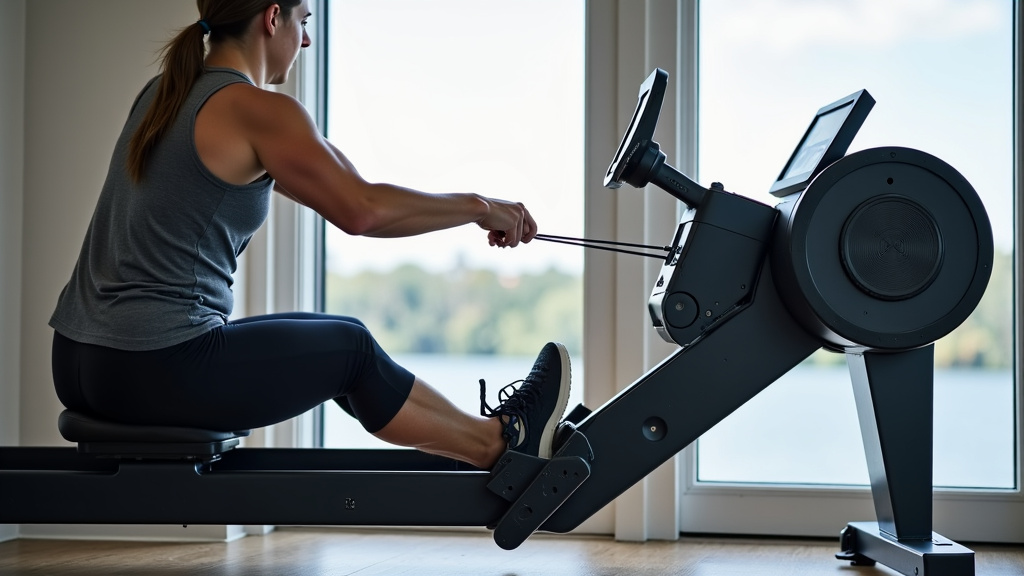
Choosing between a magnetic and a water rowing machine comes down to your personal priorities. We found that if you need a quiet, consistent workout with easy resistance changes, a magnetic rower is an excellent choice. But if you crave a realistic, dynamic feel and enjoy the soothing sound of water, a water rower will likely be your perfect match.
Ultimately, both offer fantastic full-body workouts. Consider your space, budget, and desired workout experience carefully. We recommend you try both types if possible. This will help you find the rower that best fits your lifestyle and fitness goals.
Frequently Asked Questions
Are water rowers really much louder than magnetic rowers?
Water rowers produce a distinct “swishing” sound from the water moving in the tank. While many find it pleasant, magnetic rowers are significantly quieter, emitting only a faint hum. We found this is a key difference for those needing a silent workout environment.
Do water rowers require a lot of maintenance?
Water rowers require minimal maintenance. The main task is treating the water in the tank every few months with purification tablets to prevent algae. Magnetic rowers generally need even less upkeep, mostly just wiping them down after use.
Can I fold up both types of rowing machines for storage?
Many models of both magnetic and water rowing machines offer foldable designs or can be stored upright. This is a common feature to save space. Always check the specific product specifications for storage options and dimensions before buying.
Which type of rower is better for beginners?
Both types are great for beginners. Magnetic rowers offer consistent resistance that’s easy to set, which some beginners might prefer. Water rowers provide natural, self-regulating resistance, adapting to your effort from the first stroke. We found that personal preference is key here.
Is the resistance on a water rower truly unlimited?
The resistance on a water rower is dynamic and dependent on your effort. The harder you pull, the more resistance you create. While not “unlimited” in a mechanical sense, it effectively scales with your power output. This means it can challenge even very strong users.