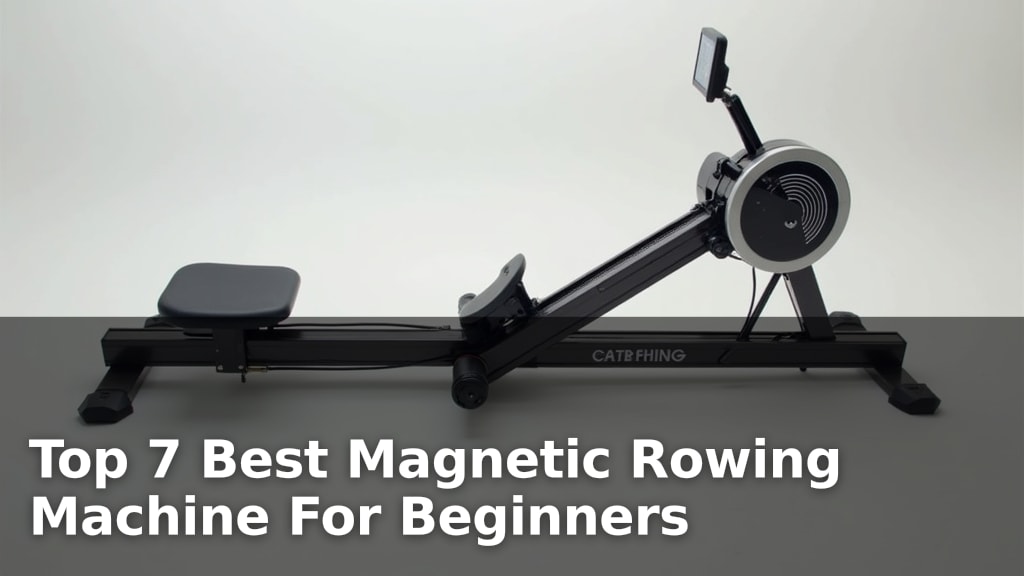
Is an Air Rowing Machine Better Than a Magnetic One?
On this page (8 sections)
When comparing an air rowing machine to a magnetic one, there isn’t a single “better” option; it truly depends on your preferences and workout goals. Air rowers offer a feel similar to on-water rowing, while magnetic rowers provide a quieter experience with consistent resistance.
We found that each type has unique advantages for different users. Do you prioritize a realistic rowing feel or a workout that won’t disturb others? Understanding these differences helps you choose the right machine for your home gym.
- Air rowers mimic real rowing feel.
- Magnetic rowers are quiet and smooth.
- Resistance varies between types.
- Consider your budget and space.
- Your workout goals matter most.
Let’s explore the key differences between air and magnetic rowing machines so you can make an informed decision for your fitness journey.
Choosing Your Rowing Machine: Air vs. Magnetic
Deciding between an air and a magnetic rowing machine boils down to understanding their core differences in how they create resistance and impact your workout experience.
How Resistance Works: Air vs. Magnetic
The biggest difference between these two types of rowers lies in their resistance mechanisms. This mechanism directly affects the feel, sound, and even the intensity of your workout.
Air Rowers: The Dynamic Resistance
Air rowing machines use a flywheel with fan blades. As you pull the handle, these blades spin, creating resistance against the air. It’s a very straightforward and effective system.
The “On-Water” Feel
Many people love air rowers because they offer a dynamic resistance. This means the harder you pull, the more resistance you feel, much like rowing a boat through water. We found this variable resistance helps to engage more muscle groups and provides a very fluid, natural motion.
This type of resistance is often preferred by serious rowers or those training for competitive events. It helps build power and mimics the progressive resistance you’d encounter in a real boat (American College of Sports Medicine).
Noise Levels and Air Rowers
One common characteristic of air rowers is their sound. Because of the spinning fan, they tend to be louder than magnetic rowers. This might be a consideration if you live in an apartment or prefer to work out while others are sleeping.
We found that while some find the “whoosh” sound rhythmic, others might find it distracting. It’s something to think about if quietness is a priority for your home gym.
Magnetic Rowers: Smooth and Quiet
Magnetic rowing machines use a magnetic brake system. Magnets move closer to or further away from a spinning flywheel to create resistance. This system offers a very different workout experience.
Consistent Resistance and Quiet Operation
The magnetic resistance provides a very smooth and consistent pull throughout your stroke. You typically adjust the resistance level manually, and it stays at that level regardless of how hard or fast you row.
This consistent resistance can be great for controlled, steady-state cardio workouts. We found that users appreciate the predictable nature of the magnetic pull.
Perhaps the most talked-about advantage of magnetic rowers is their near-silent operation. Without a fan, there’s very little noise beyond the movement of the seat and handle. This makes them ideal for shared living spaces or early morning workouts.
Adjustable Resistance Levels
Magnetic rowers usually come with several pre-set resistance levels. You can easily change these with a dial or digital controls, giving you precise control over your workout intensity. This is a big plus for users who want to easily modify their routine.
Workout Experience and Performance
Beyond resistance, how do these machines feel during a workout? Each offers a distinct experience that caters to different preferences and fitness goals.
Mimicking Real Rowing
If you’re looking to replicate the feeling of being on the water, an air rower is likely your best bet. The progressive resistance means your effort directly correlates with the resistance you feel, making each stroke feel more authentic.
Many rowing coaches recommend air rowers for technique development. The responsive resistance helps you understand power application more intuitively.
Smoothness and Consistency
Magnetic rowers excel in providing a consistently smooth stroke. The magnetic brake system reduces jerky movements and ensures a fluid motion from start to finish. This can be beneficial for those with joint sensitivities or who prefer a steady rhythm.
We found that some users appreciate the “set it and forget it” nature of magnetic resistance. You choose your level, and the machine maintains it, allowing you to focus purely on your form and cadence.
Key Considerations for Your Purchase
When you’re ready to choose, think about what truly matters to you in a home exercise machine.
Budget and Cost
Generally, air rowing machines, especially well-known brands, can be a bit more expensive upfront due to their robust construction and resistance mechanism. Magnetic rowers often come in a wider range of price points, with many affordable options.
However, we found that both types have premium models with advanced features. Your budget will certainly play a role in what’s available to you.
Space and Storage
Most rowing machines, regardless of type, have a relatively long footprint. If space is limited, look for models that can fold or be stored upright. Many manufacturers design their rowers with space-saving features.
Always check the dimensions of the machine, both in use and in storage, to ensure it fits comfortably in your chosen workout area.
Maintenance Requirements
Air rowers generally require a bit more maintenance. Their open flywheel design means dust and debris can accumulate inside, requiring occasional cleaning. This isn’t a huge chore, but it’s something to be aware of.
Magnetic rowers are often considered lower maintenance because their resistance system is enclosed. This can be a plus if you prefer a “plug and play” approach to your equipment.
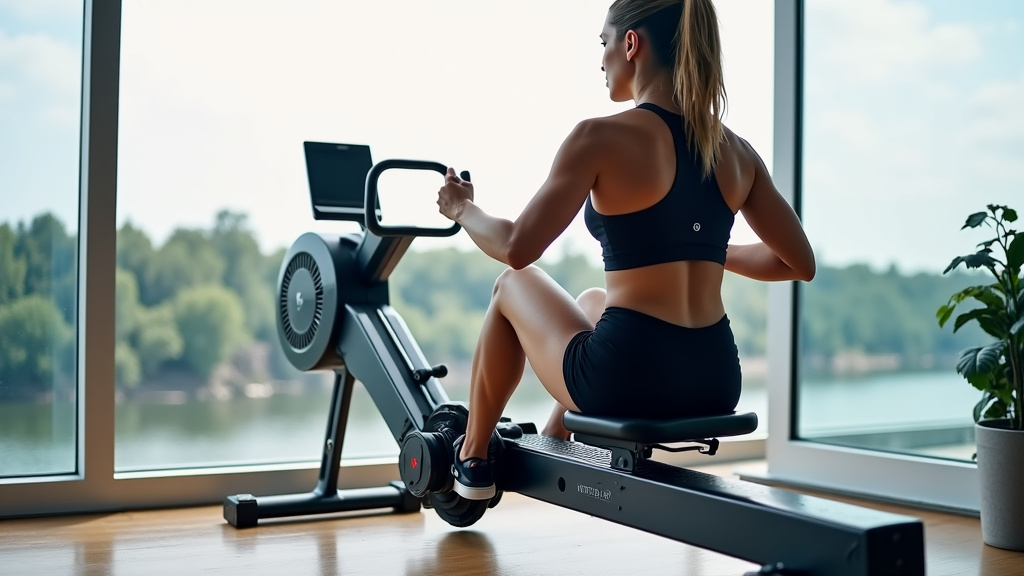
Comparing Air and Magnetic Rowers
Let’s put the main differences side-by-side to give you a clear picture.
| Feature | Air Rower | Magnetic Rower |
|---|---|---|
| Resistance Type | Fan-based, dynamic (harder pull = more resistance) | Magnetic, consistent (set resistance level) |
| Workout Feel | Realistic “on-water” feel, progressive | Smooth, steady, predictable stroke |
| Noise Level | Moderate to loud (whooshing sound) | Very quiet, near-silent operation |
| Adjustability | Resistance varies with effort, some damper settings | Manual dial or digital resistance levels |
| Maintenance | More frequent fan/flywheel cleaning | Lower, enclosed resistance system |
| Typical Cost | Often mid to high range | Wide range, many affordable options |
Which Rower Is Right For You? A Checklist
Consider these questions to help you narrow down your choice and find the ideal rowing machine for your fitness journey.
- Do you prioritize an “on-water” rowing simulation above all else?
- Is quiet operation absolutely essential for your home environment?
- Are you an experienced rower or someone focused on competitive training?
- Do you prefer a consistent resistance level for steady cardio?
- Is your budget a primary limiting factor in your decision?
- How much maintenance are you willing to perform on your machine?
Conclusion
Choosing between an air and a magnetic rowing machine ultimately comes down to your personal priorities. If you crave a dynamic, realistic “on-water” feel and don’t mind a bit of noise, an air rower is likely your best fit. For those who prioritize whisper-quiet operation and consistent resistance for steady workouts, a magnetic rower will serve you well. We found that both offer excellent full-body workouts.
Consider your living situation, your budget, and most importantly, your fitness goals. By weighing these factors, you can confidently select the rowing machine that will help you achieve your best results. Make your choice and get ready to row!
Frequently Asked Questions
Are magnetic rowers really silent?
Magnetic rowers are known for their quiet operation, often described as near-silent. You’ll hear some movement from the seat and handle, but there’s no loud fan noise. This makes them ideal for shared spaces or late-night workouts.
Can I get a good cardio workout on both types of rowers?
Absolutely, both air and magnetic rowers provide excellent cardiovascular workouts. The key is to maintain proper form and intensity. Your fitness level and effort will determine the effectiveness of your cardio session on either machine.
Which type of rower is better for beginners?
Neither is inherently “better” for beginners; it depends on what you prefer. A magnetic rower’s consistent resistance can be less intimidating initially. However, an air rower’s progressive resistance helps you learn to control your power output effectively. Our guide to the best rowing machine for beginners can help you make an informed decision.
Do air rowers always have a damper setting?
Most air rowers, like those from Concept2, include a damper setting. This doesn’t change the resistance itself, but rather how much air flows into the flywheel. It affects the “feel” of the stroke, letting you simulate different boat types.
Is maintenance a major concern for air rowers?
Air rowers require slightly more maintenance than magnetic ones due to their open fan design. You might need to occasionally clean dust and debris from the flywheel. However, this is usually a simple task and doesn’t take much time.