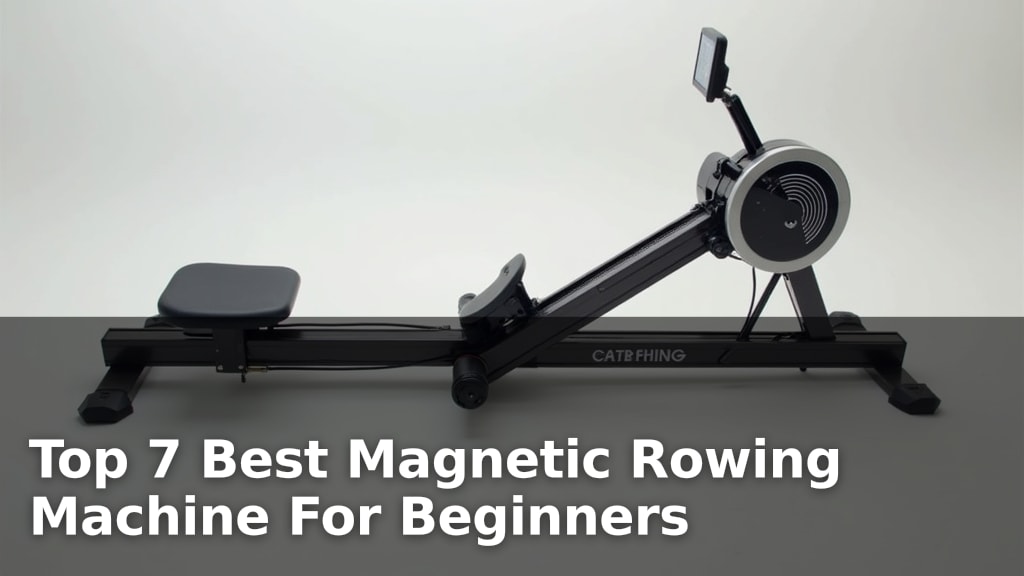
Is an Air Rowing Machine Harder Than a Magnetic One?
On this page (3 sections)
When you’re wondering if an air rowing machine is harder than a magnetic one, the answer is generally yes, air rowers tend to feel more challenging. This is because air resistance naturally increases with your rowing speed, mimicking the feel of rowing on water more closely. So, the harder you pull, the more resistance you get.
Both types offer a great workout, but they achieve resistance differently. Magnetic rowers use magnets to create a smooth, consistent drag. Air rowers use a fan, so the resistance is dynamic and user-controlled. Many find air rowers provide a more realistic and intense cardio experience.
- Air rowers often feel harder due to naturally increasing resistance.
- Magnetic rowers offer smoother, more consistent resistance.
- Air resistance scales with your effort, making it feel more demanding.
- Choose based on your desired workout intensity and feel.
Let’s dive into the specifics of how each type of rower works and what that means for your workout routine.
Here is the main body content for your blog post:Comparing Air vs. Magnetic Rowers: Which Delivers More Intensity?
When you’re trying to decide between an air rower and a magnetic rower, a common question is about the perceived difficulty. Research and user feedback often point to air rowers feeling more challenging than magnetic ones for a few key reasons we’ll discuss.
Understanding Air Resistance: The Natural Powerhouse
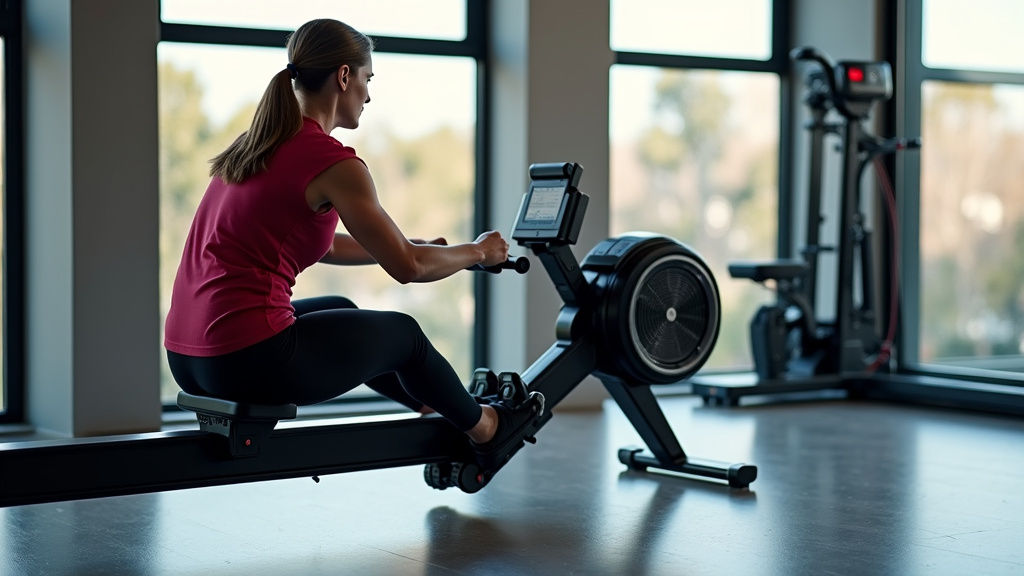
An air rowing machine uses a fan to create resistance. As you pull the handle, the fan spins faster. This means the faster you row, the more resistance you’ll feel. It’s like rowing on water – the harder you push off the water, the more you move. This dynamic resistance can make your workout feel tougher because your effort directly dictates the challenge.
This type of resistance is often described as very natural and intuitive. You don’t have to adjust settings mid-workout to make it harder or easier. Your own body controls the intensity. Many athletes prefer this because it closely mimics the actual experience of rowing on a lake or river. The sound of the fan also adds to the immersive feel.
How the Fan Mechanism Works
Inside an air rower, there’s a large fan enclosed in a casing. This fan is connected to the flywheel. When you start rowing, the fan blades begin to move through the air. The air pushed by the fan creates a drag force. This drag force is what you feel as resistance. Think of sticking your hand out of a car window; the faster you go, the more the wind pushes back. An air rower operates on a similar principle.
The Impact of Dynamic Resistance
The dynamic nature of air resistance means that your workout can vary even within a single session. If you decide to speed up your stroke rate or pull harder, the resistance will automatically increase. This can be excellent for cardiovascular training. It challenges your heart and lungs to keep up with the escalating demands. For those looking for a high-intensity interval training (HIIT) style workout, air rowers are fantastic.
However, this also means that a beginner might find an air rower more difficult initially. If you’re just getting started, even a moderate pace can feel like a significant effort. This is why proper technique is so important with any rower, but especially with air models where you control the intensity so directly.
Exploring Magnetic Resistance: Smooth and Steady
Magnetic rowers, on the other hand, use a system of magnets to create resistance. These magnets don’t touch; they create a magnetic field that opposes the motion of a metal flywheel. This allows for a smooth and consistent resistance level. You typically adjust the difficulty by moving the magnets closer to or farther from the flywheel, or by changing the strength of the magnetic field.
The resistance on a magnetic rower is generally uniform throughout your stroke. This means the effort you feel at the beginning of your pull is the same as the effort you feel at the end. Many people appreciate this predictable feel. It can be less intimidating for beginners and allows for longer, steady-state cardio sessions.
The Mechanics of Magnetic Drag
In a magnetic rower, a metal flywheel spins within a housing containing electromagnets or permanent magnets. When you select a resistance level on the console, you’re essentially telling the machine to adjust the proximity or strength of these magnets relative to the flywheel. The magnetic field generated impedes the flywheel’s rotation. This creates a smooth, quiet drag that doesn’t rely on air movement.
Benefits of Consistent Resistance
The consistent resistance of magnetic rowers can be a real advantage for certain training goals. If you’re focused on building endurance or maintaining a specific heart rate zone, the steady drag makes it easier to monitor and control your effort. You can set a resistance level and know that it will remain the same, allowing you to focus on your pacing and form. This consistency can also lead to a quieter workout compared to the fan noise of an air rower.
Many magnetic rowers also offer a wider range of resistance levels than some air rowers. This can be beneficial for users with very different fitness levels using the same machine. For example, a highly fit individual can set it to a high resistance, while someone just starting can choose a very low setting. It offers a lot of flexibility without the ‘harder you pull, harder it gets’ dynamic.
Direct Comparison: Air vs. Magnetic Feel
Let’s break down how these differences translate into your workout experience. We’ve found that the primary distinction lies in how resistance is generated and how it scales with your effort.
| Feature | Air Rower | Magnetic Rower |
|---|---|---|
| Resistance Type | Air (fan) | Magnetic |
| Resistance Scaling | Dynamic: Increases with your speed/effort | Consistent: Stays the same at your chosen level |
| Workout Feel | More realistic, natural, often feels harder | Smoother, more predictable, often feels easier at lower settings |
| Noise Level | Louder (fan noise) | Quieter |
| Intensity Control | User-driven (effort = resistance) | Machine-set (dial/button) |
| Best For | High-intensity cardio, HIIT, realistic feel | Steady-state cardio, endurance, beginners, quiet workouts |
Perceived Difficulty: Why Air Often Feels Harder
The feeling of an air rower being harder isn’t just a myth. It’s a direct result of how the resistance works. When you pull harder or faster on an air rower, you’re spinning the fan more vigorously. This increased speed creates significantly more air resistance, making each stroke a greater challenge. Think of it like trying to run through water versus running on pavement; the water offers more resistance. This constant escalation based on your output can be physically demanding, especially for longer durations or high-intensity intervals.
This also means that if your form falters and you start rowing sloppily, the increased resistance can quickly make you feel fatigued. This might be why some users find air rowers to be more of a workout. It demands consistent effort and good technique to manage effectively. Many training resources from exercise physiology experts suggest that variable resistance can lead to greater overall calorie expenditure in a given time period (National Institutes of Health).
When Magnetic Might Feel Easier (and Why That’s Okay!)
On a magnetic rower, once you set the resistance, it stays put. If you’re on a level 5, every stroke feels like level 5. This predictability can make the workout feel less intense, especially if you’re comparing it to the escalating resistance of an air rower. For beginners, or those recovering from injury, this controlled environment is often ideal. It allows you to build strength and stamina without being overwhelmed.
Furthermore, you can often find magnetic rowers with a very wide range of resistance levels. Some can go incredibly high, offering a challenge that rivals even the air rower. However, the feel will still be consistent. You won’t experience that natural ramp-up of resistance as your pace increases. This steady feel is what many users prefer for maintaining a rhythm and focus on their workout duration.
Choosing the Right Rower for Your Goals
So, is an air rowing machine harder than a magnetic one? Generally, yes, due to its dynamic resistance. But the “harder” aspect is just one piece of the puzzle. Your personal fitness goals and preferences should guide your decision.
Are You Aiming for High Intensity?
If you’re someone who thrives on pushing your limits and enjoys a workout that gets progressively harder as you put in more effort, an air rower is likely your best bet. It’s fantastic for developing power and improving your cardiovascular system. Think of it as a built-in personal trainer that always matches your output. Many competitive rowers use air machines for cross-training because of this realistic, demanding feel.
Do You Prefer a Predictable, Smooth Workout?
If you value consistency, a quieter workout, and the ability to set a specific challenge level that remains constant, a magnetic rower might be more suitable. This is especially true if you’re just starting out, have joint concerns, or want to focus on long, steady cardio sessions. You can easily adjust the resistance to ensure you’re working at the right intensity for your goals, without the resistance changing on you mid-stroke (Cleveland Clinic).
Key Considerations for Your Decision Checklist
Before you make your final choice, consider these points:
- Your Fitness Level: Are you a beginner or an experienced athlete?
- Workout Style: Do you prefer intense bursts or steady endurance?
- Noise Tolerance: Is a quieter machine important for your home environment?
- Realistic Feel: Do you want the sensation of rowing on water?
- Adjustability: How important are a wide range of resistance levels?
- Budget: Both types vary in price, so consider what fits your budget.
Conclusion
So, is an air rower harder than a magnetic one? For most users, the answer is yes. Air resistance naturally ramps up with your effort, mimicking rowing on water and providing a more demanding workout. Magnetic rowers offer a consistent, smooth feel that’s often easier to manage, especially for beginners. Your ideal machine depends on your fitness goals and preferences. If you crave intensity and a realistic feel, an air rower might be your perfect match. If you prefer steady-state cardio and a predictable workout, a magnetic rower could be the better choice for you.
Frequently Asked Questions
Will an air rower always feel harder than a magnetic one?
Generally, yes, an air rower will feel harder because its resistance increases the faster you pull. A magnetic rower’s resistance stays constant at your selected level, which can feel less intense. However, you can set a magnetic rower to a very high resistance level to make it challenging, but the feel won’t change dynamically like an air rower.
Can beginners use an air rower without it being too difficult?
Yes, beginners can use an air rower. While the resistance scales with your effort, you can start with a slow, controlled pace. This will provide less resistance initially, allowing you to focus on learning proper form. As you get stronger, you can gradually increase your pace and effort for a tougher workout.
Is the noise from an air rower bothersome?
The fan on an air rower makes a distinct whooshing sound as it spins. Some people find this noise immersive, like being on the water. Others might find it too loud, especially if they are working out early in the morning or late at night. Magnetic rowers are significantly quieter.
Which type of rower is better for building muscle?
Both types can help build muscle, but for pure strength and muscle building, a magnetic rower might offer more advantages. This is because you can often find magnetic rowers with a wider range of very high resistance settings. You can select a challenging weight and perform lower-rep, higher-intensity sets more effectively.
If I want a very quiet workout, should I avoid air rowers?
If a quiet workout is a top priority, you should likely avoid air rowers. The fan mechanism inherently creates noise. Magnetic rowers are the quietest option, making them ideal for shared living spaces or when you need to avoid disturbing others.