Is It Cheaper to Buy a Rowing Machine or Join a Gym?
On this page (8 sections)
Deciding whether it’s cheaper to buy a rowing machine or join a gym depends on your workout habits and budget. Generally, for frequent users, buying your own rowing machine becomes more cost-effective over time than a gym membership. While the initial investment is higher, you avoid recurring monthly fees.
Many people wonder about the long-term savings and convenience of home fitness. We found that the break-even point can be reached sooner than you might think. Owning equipment also means unlimited access anytime you want, without travel time or crowds.
- Gym memberships have monthly fees that add up.
- A rowing machine has an upfront cost but saves money later.
- Consider how often you’ll actually use either option.
- Home workouts offer convenience and privacy.
- Factor in potential maintenance for your equipment.
Let’s break down the costs and benefits of each option so you can make the best choice for your fitness goals and wallet.
Rowing Machine vs. Gym Membership: Which is More Budget-Friendly?
Deciding between buying a rowing machine and joining a gym can feel like a tough choice for your wallet. We’ve looked into it, and generally, buying your own rowing machine becomes more cost-effective over time if you plan to use it regularly. While the upfront cost is higher, you avoid those pesky recurring monthly fees that can really add up.
Calculating the Long-Term Costs
The Price Tag of a Gym Membership
Let’s start with gym memberships. Most gyms offer various plans, but a typical monthly fee can range from $40 to $100, depending on the gym’s prestige and included amenities. Think about that – if you pay $60 a month, that’s $720 a year just for access. Over five years, that’s a hefty $3,600! Many memberships also come with initiation fees, which can add another $50 to $200 right out of the gate. Are you sure you’ll get your money’s worth from those monthly payments?
The Investment in a Rowing Machine
On the other hand, a rowing machine has an initial purchase price. You can find decent, reliable rowing machines for around $300 to $1,500. Some high-end models can cost more, but you don’t need the absolute top-tier machine for a great workout. So, let’s say you buy a mid-range machine for $800. That’s your big expense right at the start.
When Does the Rowing Machine Become Cheaper?
This is where the math gets interesting. If your gym membership costs $60 per month, you’ll spend $720 in one year. A $800 rowing machine becomes the cheaper option after just over a year of use (about 13.3 months). If your gym costs $100 per month, you’ll break even with your $800 rower in just 8 months. For many people who commit to a regular fitness routine, the savings really start to stack up after that first year.
Considering Your Workout Habits
The Frequency Factor
How often do you truly see yourself hitting the gym or using your rowing machine? If you’re a weekend warrior, a gym membership might seem more sensible, as the monthly fee is spread across fewer workouts. But if you’re aiming for 3-5 workouts per week, owning your equipment starts to look much more appealing financially. Research often shows that people who invest in home gym equipment tend to use it more consistently. It’s about making fitness fit into your life, not the other way around.
The “Show Up” Motivation
Let’s be honest, sometimes the hardest part of working out is just getting there. Driving to the gym, finding parking, and navigating crowded spaces can be a deterrent. With a rowing machine at home, your gym is always open, always available. You can squeeze in a quick session before work, during your lunch break, or late at night. This convenience is a huge motivator for many, and it’s something a gym membership just can’t replicate.
The Gym Experience vs. Home Comfort
What kind of environment do you prefer for your workouts? Some people thrive on the energy of a bustling gym, the variety of machines, and the social aspect. Others prefer the peace and privacy of working out at home. You can control the music, the temperature, and avoid any workout awkwardness. If you value your personal space and want to avoid waiting for equipment, a home setup is a clear winner.
Hidden Costs and Considerations
Gym Membership Extras
Beyond the monthly fee, gyms can have other costs. Think about gas money for driving there and back, or the cost of gym clothes and shoes. Some gyms also charge extra for personal training sessions or specialized classes, which can quickly increase your monthly expenditure. You might also find yourself tempted by the snack bar or juice shop on your way out, adding to the overall cost of your gym habit.
Rowing Machine Maintenance and Space
While a rowing machine doesn’t have monthly fees, it’s not entirely without costs. You might need to consider basic maintenance, like lubricating the chain or checking the bungee cord (depending on the type of rower). It also requires space. Most rowers can be stored upright, but you still need to factor in where it will live in your home. We found that most modern rowers are designed with space-saving in mind, which is a big plus for apartment dwellers.
The Value of Variety
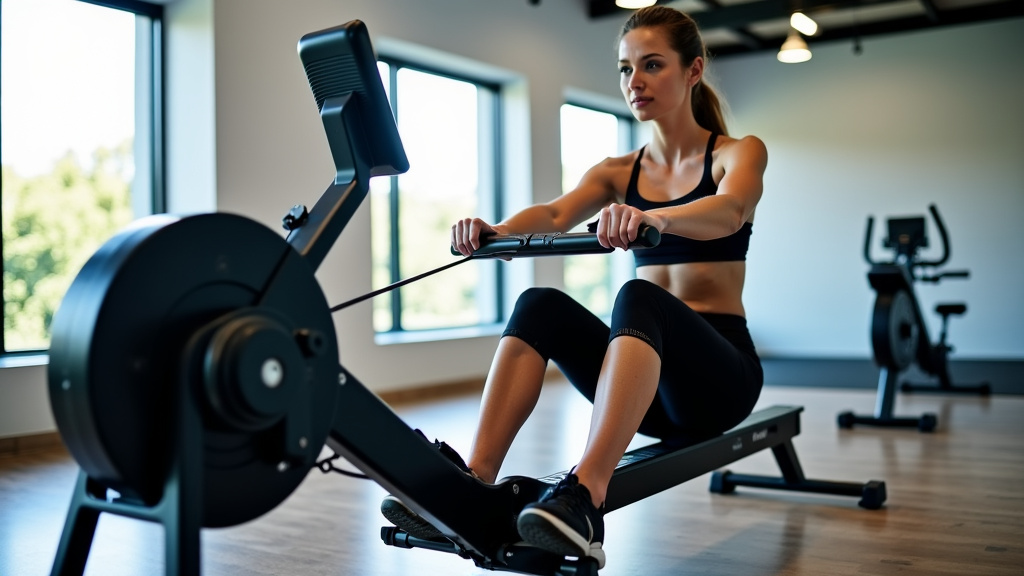
Gyms offer a wide array of equipment – treadmills, ellipticals, weight machines, free weights, and various studios for classes like yoga or cycling. A rowing machine, while excellent for cardio and full-body strength, is a single-purpose piece of equipment. If you enjoy mixing up your workouts with different types of exercise, a gym membership might offer better variety. However, you can supplement your rowing workouts with bodyweight exercises or affordable resistance bands at home to keep things interesting. A rowing machine provides an excellent full-body cardio and strength workout.
Comparing the Costs: A Quick Look
Let’s visualize the financial difference. This table shows a simplified comparison over a few years, assuming a $60/month gym membership and an $800 rowing machine.
| Time Period | Gym Membership Cost | Rowing Machine Cost | Difference (Gym – Rower) |
|---|---|---|---|
| 1 Year | $720 | $800 | -$80 (Rower is more expensive initially) |
| 2 Years | $1,440 | $800 | +$640 (Rower is cheaper) |
| 3 Years | $2,160 | $800 | +$1,360 (Rower is much cheaper) |
| 5 Years | $3,600 | $800 | +$2,800 (Significant savings with rower) |
As you can see, the initial investment in a rowing machine is higher, but the long-term savings are substantial, especially if you plan to exercise for more than a year.
Making Your Decision: A Checklist
To help you decide which option is best for your budget and lifestyle, consider these points:
- How many days per week do you realistically plan to exercise?
- What is your budget for monthly fitness expenses?
- Do you prefer the atmosphere of a gym or the privacy of home?
- How much space do you have for a rowing machine?
- Are you motivated by convenience and immediate access?
- Do you enjoy a wide variety of workout equipment, or is a single-purpose machine okay?
Answering these questions honestly will guide you toward the more economical and practical choice for your fitness journey. For many, the math points to a rowing machine as a smart long-term investment.
Conclusion
Ultimately, the choice between a rowing machine and a gym membership boils down to your personal fitness habits and budget. We’ve seen that while a rowing machine requires a larger initial investment, it often becomes the more economical choice over the long haul, especially if you plan to exercise frequently. Gym memberships offer variety and a different atmosphere, but those recurring fees can add up quickly.
Consider your workout frequency and your preference for home privacy versus a gym environment. If you’re ready to commit to a consistent fitness routine and want to save money over time, investing in your own rowing machine is likely your best bet. Take a moment to review your budget and honestly assess your workout style to make the most informed decision for your health and your wallet.
Frequently Asked Questions
How long does it take for a rowing machine to be cheaper than a gym membership?
We found that the break-even point varies based on the gym’s monthly cost. For a gym membership costing around $60 per month and an $800 rowing machine, you’d typically recoup your rower’s cost in about 13 to 14 months. If your gym membership is higher, say $100 a month, the rowing machine becomes cheaper in about 8 months.
What if I only work out a couple of times a week?
If you’re an infrequent exerciser, a gym membership might feel more cost-effective, as the monthly fee is spread across fewer workouts. However, you should still consider if you’ll consistently use the gym enough to justify the cost. Sometimes, an unused gym membership is more expensive per workout than a home machine.
Are there hidden costs associated with rowing machines?
Generally, the only ongoing costs for a rowing machine are minimal, perhaps for basic maintenance like lubrication. You also need to consider the space it will occupy in your home. Unlike a gym, you won’t have recurring fees for classes, personal training, or gas to get there.
Can I get a full-body workout with just a rowing machine?
Yes, a rowing machine provides an excellent full-body cardiovascular and strength workout. It engages your legs, core, and upper body simultaneously. While gyms offer more variety, a rower is a highly efficient single piece of equipment for a comprehensive workout. Yes, a rowing machine provides an excellent full-body cardiovascular and strength workout.
What if I need variety in my workouts?
If you crave a wide range of exercise options, a gym membership might be more suitable, offering different machines, weights, and classes. However, you can supplement home rowing with bodyweight exercises, resistance bands, or even join online fitness classes to add variety without the recurring gym fees.