Is Rowing Machine Better Than a Peloton Bike?
On this page (3 sections)
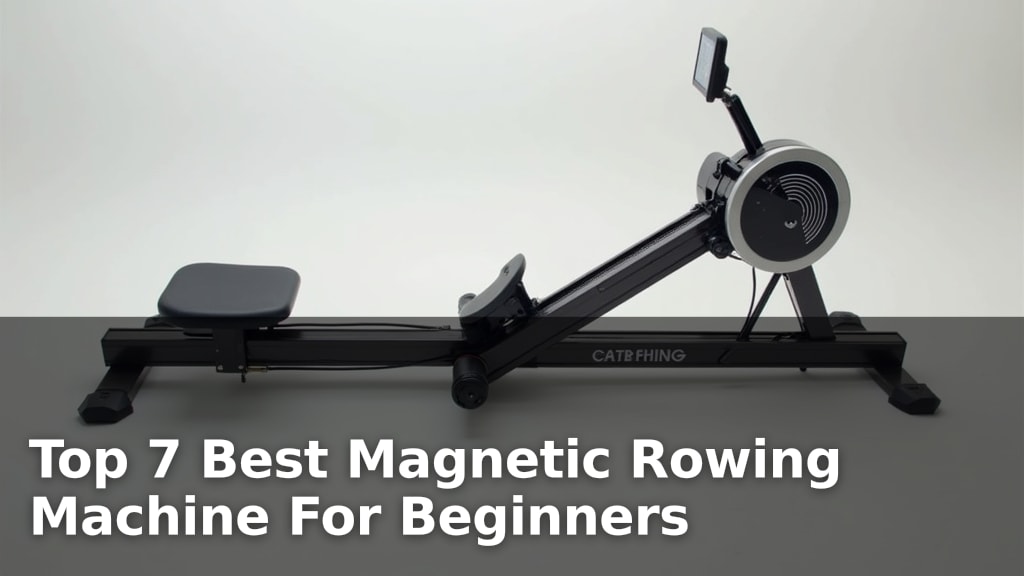
Deciding if a rowing machine is better than a Peloton bike depends entirely on your fitness goals and preferences. We found that a rowing machine offers a more full-body workout, engaging over 85% of your muscles. A Peloton bike, on the other hand, excels at delivering an intense cardio and lower-body workout.
Are you looking for something to build serious strength and endurance across your whole body? Or do you prefer a high-energy spin class with a vibrant community? Both are fantastic fitness tools, but they cater to different needs. We found that each machine has its own set of unique benefits and drawbacks.
- Rowing machines provide a full-body, low-impact workout.
- Peloton bikes offer high-intensity cardio and lower-body focus.
- Consider your personal fitness goals and preferences.
- Both offer engaging digital classes and progress tracking.
- Space and budget are also important factors to weigh.
Let’s walk through everything you need to know to decide which one is right for you. We’ll help you pick the best equipment for your home gym.
Rowing Machine vs. Peloton Bike: The Ultimate Showdown
You’re ready to boost your fitness, and you’re weighing your options. Should you choose the full-body power of a rowing machine or the high-energy cardio of a Peloton bike? Let’s break down what each offers so you can make the best decision for your unique goals.
Understanding the Workout Differences
These two machines approach fitness from different angles. One targets almost your entire body, while the other excels at cardiovascular training and strengthening your lower half. Thinking about your primary fitness goals will really help you here.
The Full-Body Power of a Rowing Machine
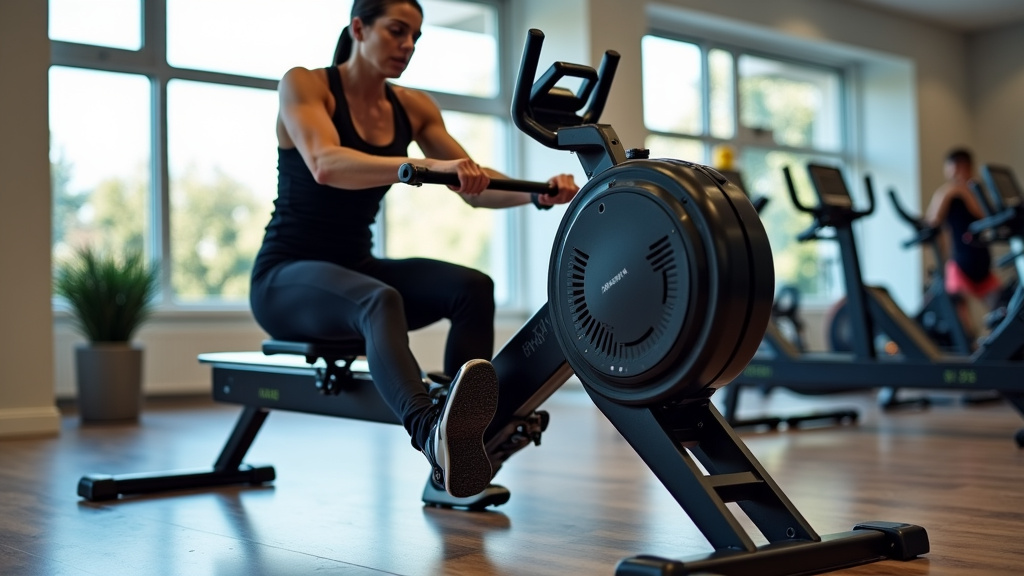
When you row, you engage a surprising number of muscles. We found that a proper rowing stroke uses around 85% of your body’s muscles. This includes your legs, core, back, and arms. It’s a fantastic way to build both strength and endurance simultaneously.
- Legs (60%): Your powerful push-off from the footplate uses your quadriceps, hamstrings, and glutes.
- Core (20%): Your abdominal and lower back muscles stabilize your torso and transfer power.
- Upper Body (20%): Your back muscles (lats, rhomboids) and biceps pull the handle towards you.
The movement is smooth and low-impact. This means it’s generally easier on your joints compared to activities like running. Many experts recommend rowing for people recovering from injuries or those looking for a joint-friendly workout (American Council on Exercise).
The Cardio and Lower-Body Focus of a Peloton Bike
A Peloton bike delivers an intense cardiovascular workout. Your heart rate will soar, and you’ll burn calories efficiently. It primarily targets your lower body, especially your quads, hamstrings, and glutes.
While your upper body provides some stability, it’s not a primary mover. Your core engages to hold you upright, but the main work comes from your legs. This makes it an excellent choice if your main goal is to improve cardiovascular health and sculpt your legs.
The high-energy classes and instructor motivation also contribute to a very engaging experience. You might not even realize how hard you’re working!
Comparing Impact and Joint Health
Nobody wants achy joints after a workout. Both machines are generally considered low-impact, but there are subtle differences. Knowing this can guide your choice, especially if you have existing joint concerns.
Low-Impact Rowing Benefits
The rowing motion is incredibly smooth. There’s no pounding or jarring on your knees, hips, or ankles. This makes it suitable for almost everyone, regardless of age or fitness level. It’s often recommended for active recovery or for those new to exercise.
Because you’re seated and moving in a horizontal plane, the stress on your body is minimal. You can get a tough workout without the risk of impact-related injuries. We found this to be a significant advantage for many users.
Peloton’s Joint-Friendly Spinning
Indoor cycling is also very gentle on your joints. Your feet stay clipped into the pedals, eliminating any impact. This is a huge plus for those with knee issues or other joint sensitivities. You control the resistance, so you can always dial it back if you need to.
However, some users might experience discomfort in their sit bones or wrists if their bike setup isn’t quite right. Adjusting your seat and handlebar height can usually fix this. We found that proper bike fit is key to comfort on a Peloton.
Space Requirements and Portability
Your living space matters! Both machines take up a good chunk of room. You’ll want to measure your designated workout area before committing to either one.
Rowing Machine Footprint
Rowing machines can be long. They need space for the rail and the range of motion. Typically, you’ll need an area of about 8-9 feet in length and 2-3 feet in width. That’s roughly the size of a small sofa.
Many models do fold up or can be stored vertically. This can be a huge space-saver for smaller homes or apartments. Always check the dimensions and storage options of specific models you’re considering. If space is a concern, consider exploring our recommendations for the best rowing machine for small apartments.
Peloton Bike Dimensions
Peloton bikes have a smaller footprint compared to most rowing machines. They generally require an area of about 4 feet by 2 feet. This makes them easier to fit into tighter spaces, like a corner of a bedroom or living room.
They aren’t designed to fold up, but they do have wheels for easy movement. You can roll them out of the way if needed, which is a nice perk for multi-use rooms.
Cost Comparison: Initial Investment and Subscriptions
Let’s talk money. Both machines represent a significant investment. Beyond the purchase price, you’ll also want to consider ongoing subscription costs for their interactive classes.
| Feature | Rowing Machine (e.g., Concept2, Hydrow) | Peloton Bike |
|---|---|---|
| Initial Cost Range | $900 – $2,500+ | $1,445 – $2,495+ |
| Subscription Cost (Monthly) | $0 – $44 (for smart rowers) | $44 |
| Workout Variety | Full-body, strength, cardio | Cardio, lower body |
| Space Needed | Large, but many fold/store vertically | Compact, but doesn’t fold |
Rowing Machine Pricing
Entry-level rowers can start around a few hundred dollars. However, quality machines that will last you years typically range from $900 to $2,500 or more. Brands like Concept2 are known for their durability and performance.
Smart rowers, like Hydrow, come with screens and interactive classes. These are usually at the higher end of the price spectrum and often require a monthly subscription, similar to Peloton. Traditional rowers don’t require any subscription, which is a major cost-saver.
Peloton Bike Pricing
A Peloton bike itself is a premium product. The original Bike costs around $1,445, and the Bike+ is about $2,495. This price point reflects the advanced technology, screen, and integrated experience.
The major ongoing cost is the Peloton All-Access Membership, which is currently $44 per month. This subscription is essential for accessing their vast library of live and on-demand classes. Without it, the bike is essentially just a very expensive spin bike with limited functionality.
Motivation and Community Engagement
Staying motivated is half the battle. Both Peloton and some smart rowers offer engaging platforms designed to keep you coming back for more. Which style of motivation suits you best?
Peloton’s Interactive Ecosystem
Peloton is famous for its vibrant community and engaging instructors. The live and on-demand classes are highly produced, energetic, and offer a wide range of music and intensity levels. You can compete on leaderboards, high-five other riders, and track your progress.
This social aspect and the instructor-led workouts are a huge draw for many users. We found that the strong community can be incredibly motivating, making workouts feel less like a chore and more like a fun event.
Rowing Machine Motivation
Traditional rowing machines, like a Concept2, often come with performance monitors that track your distance, pace, and calories. You can set goals and track your improvements over time. There are also online communities and challenges for many rower brands.
Smart rowers, such as Hydrow or Ergatta, offer a more Peloton-like experience. They feature large screens with guided workouts, scenic rows, and sometimes even competitive challenges. These usually come with their own monthly subscription fees, mirroring Peloton’s model.
Which One Is Right for Your Fitness Journey?
This is the big question! There’s no single “better” option; it truly depends on what you value most in your fitness routine. Think about your body, your goals, and your lifestyle.
Consider this checklist to help you decide:
- Do you want a full-body workout that builds strength and endurance? You can learn more about how to effectively build muscle with a rowing machine in our detailed guide. A rowing machine is likely your best bet.
- Is intense cardio and lower-body sculpting your primary goal? A Peloton bike excels here.
- Are joint health and low-impact a top priority? Both are good, but rowing might edge out if you’re very sensitive.
- Do you thrive on high-energy, instructor-led classes with a strong community? Peloton’s ecosystem is hard to beat.
- Do you have limited space and prefer a compact, non-folding machine? The Peloton bike has a smaller footprint.
- Are you looking to avoid monthly subscription fees entirely? A traditional rowing machine offers this flexibility.
Ultimately, the best piece of equipment is the one you’ll actually use consistently. Both machines offer effective and engaging ways to get fit. Your choice comes down to personal preference and how each machine aligns with your unique fitness path.
Conclusion
Deciding between a rowing machine and a Peloton bike comes down to what truly motivates you and your fitness aspirations. We found that if you’re seeking a total-body workout that builds strength and endurance with low impact, a rower is an excellent choice. If your heart is set on intense cardio, lower-body sculpting, and a vibrant community, then Peloton will likely be your perfect match.
Revisit your personal goals, consider your space, and budget. The best equipment is the one you’ll enjoy and use consistently. Take the next step: try out both if you can, or deeply reflect on which experience resonates most with your fitness journey.
Frequently Asked Questions
Can I get a full-body workout on a Peloton bike?
While a Peloton bike offers an excellent cardiovascular and lower-body workout, it doesn’t engage as many muscle groups as a rowing machine. Your upper body primarily assists with stability, making it less of a full-body strength builder.
Are rowing machines really low-impact for my joints?
Yes, rowing is very gentle on your joints. The smooth, seated motion minimizes stress on knees, hips, and ankles. This makes it a great option for those with joint sensitivities or for active recovery.
Do I need a subscription to use a rowing machine?
Not necessarily. Traditional rowing machines, like those from Concept2, operate perfectly without a subscription, though some offer optional online features. Smart rowers, like Hydrow, typically require a monthly subscription for their interactive classes and content.
Which machine is better for weight loss?
Both machines are effective for weight loss when combined with a healthy diet. The “better” one depends on which workout you’ll do consistently. A rowing machine burns significant calories due to full-body engagement, while a Peloton excels at high-intensity cardio calorie burn.
Can I watch entertainment while using a rowing machine or Peloton?
With a Peloton, the screen is integrated with their class content, so it’s not designed for other entertainment. Many traditional rowing machines don’t have screens, allowing you to use your own tablet or TV for entertainment. Smart rowers might offer some scenic modes, but usually focus on their own programming.