Is Rowing Machine Enough Exercise?
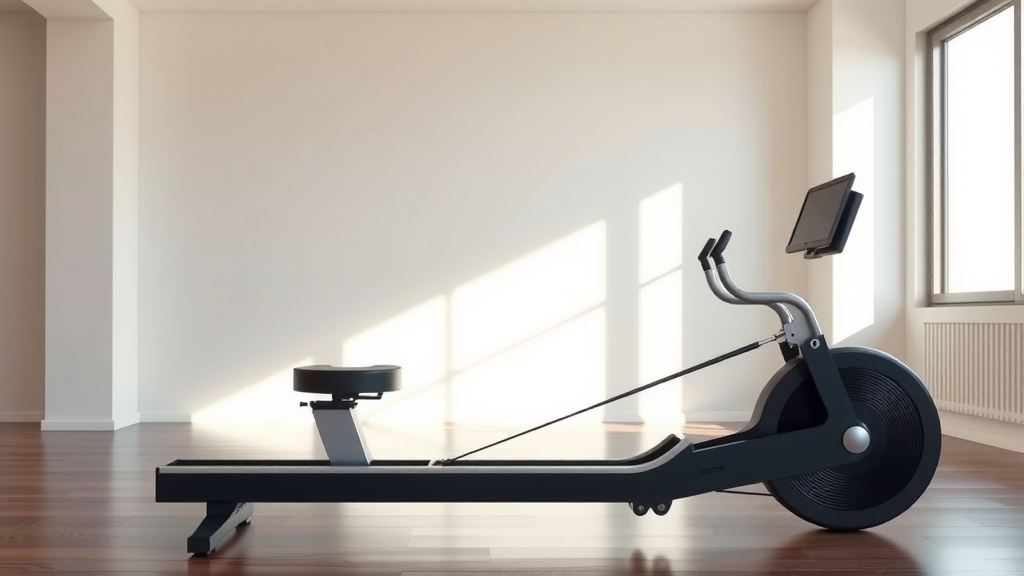
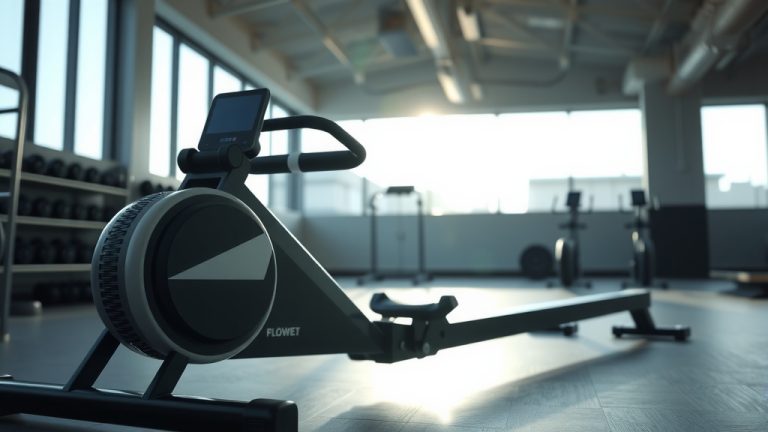
Yes, a rowing machine can absolutely provide enough exercise for a comprehensive full-body workout.
It offers a powerful combination of cardio and strength training, making it a highly efficient fitness tool for most goals.
- A rowing machine delivers a full-body workout, engaging nearly 85% of your muscles.
- It’s excellent for both cardiovascular health and building muscle endurance and strength.
- You can definitely achieve significant weight loss and improve body composition with consistent rowing.
- While powerful, adding variety or light strength work off the rower can further enhance your fitness journey.
Is Rowing Machine Enough Exercise?
Yes, for many people, a rowing machine is more than sufficient to meet their fitness needs and goals. It’s a fantastic option for a comprehensive, low-impact workout.
Think of it as your personal gym in one machine. You’re working multiple muscle groups while getting your heart rate up.
The Full-Body Powerhouse: What Rowing Works
Have you ever wondered what muscles light up when you row? It’s almost a full symphony!
Research indicates that rowing engages about 85% of your body’s muscles in a fluid, continuous motion (American Council on Exercise).
Muscles in Motion
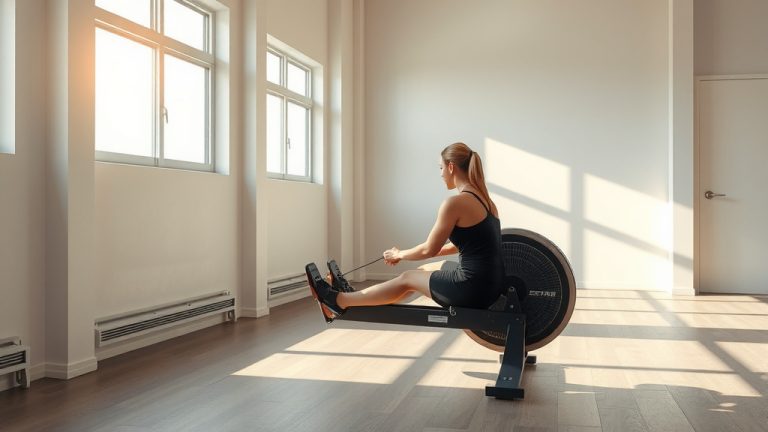
From your legs pushing off, to your core stabilizing, to your arms pulling – every major muscle group contributes.
Your quads and glutes drive the powerful leg push. Your hamstrings and calves also work hard to extend your legs.
The core muscles, including your abs and lower back, maintain posture and transmit power. Then, your upper body, including your lats, biceps, and shoulders, completes the stroke.
Cardio King: Heart Health Benefits
Beyond building muscle, rowing is a champion for your heart. It gets your blood pumping, strengthening your cardiovascular system.
Regular aerobic exercise like rowing can significantly improve heart health and lung capacity (Mayo Clinic).
Building Stamina and Endurance
Consistent rowing helps you breathe easier during daily activities. You’ll notice less huffing and puffing going up stairs.
It’s like training your heart to run a marathon, even if you’re just enjoying a brisk walk outside.
Strength Training on the Rower? Absolutely!
Many people think of cardio machines only for cardio. But a rowing machine brings some serious strength to the table.
Each stroke involves resistance, which helps to build and tone muscle across your entire body.
While it might not replace heavy lifting for maximum muscle mass, it excels at building muscle endurance and lean strength.
Can You Lose Weight with Rowing?
Absolutely, rowing can be a powerful ally in your weight loss journey. It burns a lot of calories in a relatively short amount of time.
It’s like getting two workouts in one: cardio for calorie burn and strength for metabolism boost.
Calorie Burn and Metabolic Boost
The number of calories you burn rowing depends on your intensity and body weight. However, it’s generally high.
A higher muscle mass, which rowing helps build, means your body burns more calories even at rest. This gives your metabolism a helpful nudge.
Combining Rowing with Diet
Remember, exercise and nutrition are a team. Rowing will help you burn calories, but a balanced diet is equally important for weight loss.
Focus on whole foods, lean proteins, and plenty of vegetables to support your fitness efforts.
Addressing Common Fitness Goals
Rowing isn’t just for specific athletes. It caters to a wide range of fitness aspirations, from general health to targeted improvements.
Whether you’re looking for better bone health or increased flexibility, rowing offers surprising benefits.
Bone Density and Joint Health
As a low-impact exercise, rowing is kind to your joints. This makes it a great choice for people recovering from injuries or those with joint sensitivities.
While low-impact, it still provides enough weight-bearing stress to help maintain or even improve bone density over time (NIH).
Flexibility and Mobility Perks
The full range of motion in a rowing stroke promotes flexibility in your hips, knees, and ankles.
It’s like a dynamic stretch, helping to keep your joints moving freely and reducing stiffness.
When Rowing Might Need a Partner
While incredibly effective, is rowing machine enough exercise for absolutely every fitness goal? Sometimes, a little variety is good.
Think of it like a balanced diet; you can thrive on one superfood, but a mix often brings even more benefits.
The Value of Variety and Cross-Training
Adding other activities can prevent plateaus and keep your workouts exciting. Your body adapts over time.
Some experts recommend cross-training to target specific muscle groups more intensely or to work different movement patterns (Cleveland Clinic).
Adding Resistance Training Off the Rower
If your goal is to build significant muscle mass, incorporating dedicated weightlifting sessions might be beneficial.
Rowing is fantastic for endurance strength, but heavy squats or deadlifts could further boost raw power and hypertrophy.
Here’s a quick look at how rowing stacks up against some other exercises:
| Exercise Type | Primary Focus | Muscle Engagement | Impact Level |
|---|---|---|---|
| Rowing Machine | Cardio & Strength | Full-Body (85%) | Low |
| Running | Cardio | Legs, Core | High |
| Cycling | Cardio | Legs, Glutes | Low |
| Weightlifting | Strength | Targeted Muscle Groups | Variable |
Making Your Rowing Routine Complete
To ensure your rowing machine exercise is truly “enough,” consider these simple steps for a well-rounded fitness plan:
- Vary your workouts: Don’t just do the same routine every day. Try different distances, intensities, or interval training.
- Focus on form: Proper technique prevents injury and maximizes muscle engagement. Watch videos or get feedback.
- Include warm-ups and cool-downs: Always prepare your body and help it recover afterwards.
- Stay hydrated: Drink plenty of water throughout the day, especially around your workouts.
- Prioritize sleep: Adequate rest is crucial for muscle recovery and overall well-being.
- Listen to your body: Rest when needed and don’t push through sharp pain.
Conclusion
So, is rowing machine enough exercise? For the vast majority of people aiming for improved cardiovascular health, muscle endurance, and overall fitness, the answer is a resounding yes.
It’s an efficient, low-impact, full-body workout that can help you reach a wide range of goals, from weight loss to better bone density.
While a touch of cross-training or dedicated strength work can add even more depth, your rowing machine is a powerful cornerstone for a healthy and active lifestyle. Get on that rower and feel the difference!
What is the ideal duration for a rowing machine workout?
For general fitness, 20-30 minutes of moderate-intensity rowing, three to five times a week, is often recommended. If you’re doing high-intensity interval training (HIIT), shorter sessions of 10-20 minutes might be sufficient due to the increased effort.
Can rowing help build abdominal muscles?
Yes, rowing significantly engages your core muscles, including your abdominals, to stabilize your torso and transfer power from your legs to your arms. Consistent rowing can contribute to a stronger and more toned midsection, supporting overall core strength.
Is rowing better than running for weight loss?
Both rowing and running are excellent for calorie burning and weight loss. Rowing offers a full-body workout with lower impact on your joints, which can be an advantage for some individuals. Running might burn calories faster for some, but rowing’s muscle engagement can lead to a greater metabolic boost overall.
How does rowing impact mental health?
Like other forms of exercise, rowing can have positive effects on mental well-being. It releases endorphins, which can reduce stress and anxiety, improve mood, and even help with better sleep. The rhythmic and meditative nature of rowing can also be calming.
Do I need any special equipment or shoes for rowing?
Most rowing machines only require comfortable athletic clothing and supportive athletic shoes. Some people prefer to row barefoot or in minimalist shoes for better foot connection, but it’s not strictly necessary. No other special equipment is typically needed to start your rowing journey.