What Stroke Rate Should You Use for Long Distance Rowing?
For long distance rowing, start around 18–24 strokes per minute (SPM) and choose a pace you can hold with controlled, repeatable strokes. Lower the rate if your form or breathing gets rushed, and raise it only when you can keep the same control.
On this page (8 sections)
- What stroke rate should you use for long distance rowing?
- How can you find a sustainable cadence?
- How should your stroke change during a long row?
- Does resistance change the best SPM?
- How do you pace a long rowing workout?
- Which equipment features help with longer rows?
- What are common long-distance SPM mistakes?
- How should you choose your long distance rowing SPM?
For long distance rowing, start around 18–24 strokes per minute (SPM) and choose a pace you can hold with controlled, repeatable strokes. Lower the rate if your form or breathing gets rushed, and raise it only when you can keep the same control.
SPM is your number of strokes each minute. A sustainable rate leaves time to drive with purpose and recover smoothly before the next stroke, rather than pulling faster just to see a larger number.
What stroke rate should you use for long distance rowing?
Start around 18–24 SPM for a steady long row. Treat that range as a starting point, not a rule: your fitness, machine, resistance, and target pace all affect what feels sustainable.
The goal is to maintain useful strokes for the whole session. If your shoulders tense, your recovery becomes hurried, or you can't speak a short sentence, ease the effort or cadence and regain control.
At the same SPM, one rower may move the machine faster than another because stroke power and technique differ. Pair cadence with pace, perceived effort, and form instead of using SPM by itself.
If you want a broader comparison of cadence options, see what is a good stroke rate on a rowing machine. For the meaning of the number shown on a monitor, read what SPM in rowing means.
How does rowing long distance at a lower SPM feel?
A lower SPM gives you more time between strokes, which can make it easier to settle into a steady rhythm. It works best when each drive still feels controlled and the pace remains appropriate for your goal.
A low number isn't useful if you're pulling too hard on every stroke or losing speed. Check whether your breathing and posture stay steady, and raise the cadence slightly if you need a smoother rhythm.
How can you find a sustainable cadence?
Begin with an easy warm-up, then test a cadence you can repeat without rushing. Hold it for several minutes and check your breathing, posture, and pace before making a small adjustment.
Try this simple approach:
- Warm up at an easy effort for 5 minutes.
- Settle near 20 SPM and row for 5 minutes.
- Check whether you can keep the same stroke shape and steady breathing.
- Adjust by 1–2 SPM if you feel rushed or overly slow.
- Hold the new rate for several minutes before judging it.
This is a practical pacing check, not a performance test. The right number is the cadence that matches your planned effort and lets you keep sound technique.
If you need help changing what appears on your machine, use this guide to adjust your rowing machine SPM. For setup and technique on a particular machine, see how to use a BH HIIT rowing machine.
Can the monitor help you hold a steady SPM?
Yes, if your monitor displays stroke rate. Glance at it occasionally to check whether your cadence is drifting, then return your attention to posture and rhythm.
Avoid staring at the screen every stroke. A monitor is useful feedback, but it doesn't tell you whether you're rushing the recovery, slumping, or pulling with your arms too early.
The Stamina Hydraulic Rowing Machine has a multifunction monitor that tracks workout progress, including stroke rate and time. Its adjustable hydraulic resistance gives you a way to set resistance while practicing a steady cadence.
Choose it if a compact, folding rower and a basic monitor fit your home setup. Don't assume every machine's cadence display or resistance feels the same, so learn how your own monitor reports SPM before relying on it.
How should your stroke change during a long row?
Keep the same basic stroke sequence as fatigue builds: drive with your legs, swing your body, then draw with your arms; reverse the order on recovery. Smooth timing matters more than forcing a high cadence.
On the recovery, let your hands move away first, then hinge forward and bend your knees after your hands pass them. Give the seat time to roll toward the front before starting the next drive.
When form begins to slip, reduce effort and reset. A slightly slower cadence can help you regain control, but stop if you feel pain, dizziness, or unusual shortness of breath.
For a public gym session, this guide to using a rowing machine at Planet Fitness covers getting started on the equipment. For an event-focused setup, read how to set up a rowing machine for an erg race.
What should you do if your pace fades?
First check whether your effort is too high for the distance. Ease the pace, keep your strokes smooth, and let your breathing settle before considering a cadence change.
If you still feel controlled but want to move faster, increase cadence by a small amount and watch whether your pace improves. If the strokes get shorter or choppy, return to the earlier rate.
Does resistance change the best SPM?
Resistance can change how a stroke feels, but a harder setting doesn't automatically call for a higher rate. Keep the effort appropriate for the distance and choose a cadence that lets you maintain full, controlled strokes.
On an air rower, the damper setting changes how the flywheel feels during the drive. The Concept2 RowErg includes a PM5 monitor and adjustable air resistance, and its monitor displays workout intensity in different units, including pace, watts, or calories.
Choose this rower if you want a monitor with multiple intensity views and a device holder for your training session. The monitor can help you compare rows, but use your own technique and effort to decide whether the cadence is sustainable.
Don't try to match another rower's resistance setting or SPM without context. Different machines and settings can feel different, so compare your own sessions under similar conditions.
How do you pace a long rowing workout?
Choose a steady effort you can maintain, then use SPM as one pacing cue. Start conservatively, especially if you're new to longer rows, and save any increase for a point when your form remains solid.
A useful check is whether your breathing stays controlled and your stroke remains consistent. If either changes sharply, back off rather than trying to force the planned distance at the same pace.
You can divide a long session into manageable blocks. For example, check your cadence and posture at regular intervals, then make a small adjustment only if it improves control or comfort.
Don't treat calorie estimates as a precise measure of effort across different machines. Monitor calculations and display options vary, so rely on trends from the same machine and your own effort cues.
Which equipment features help with longer rows?
For long sessions, a monitor that shows useful workout data and a seat and handle setup you can use comfortably can make pacing easier. Fit and space matter too, since a machine that's hard to use or store may disrupt your routine.
The Concept2 RowErg includes a 14-inch seat height, adjustable footrests, an ergonomic handle, and a PM5 monitor. It separates into two pieces for storage and has caster wheels for moving it.
The Stamina Hydraulic Rowing Machine has a molded seat, padded handgrips, textured footplates with straps, and a folding design. Its monitor tracks stroke rate, time, and calories.
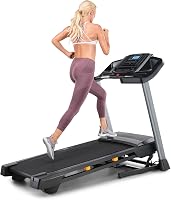
The NordicTrack T Series Treadmills for Home are a different cardio option, with a folding frame, cushioning, and a speed range up to 10 MPH. Consider it if you want to alternate rowing with walking or running at home; it won't track rowing cadence.
What are common long-distance SPM mistakes?
The main mistake is chasing a higher number while your stroke quality falls. A fast recovery, shortened drive, or tense upper body can make the session harder without making your rowing more effective.
Watch for these habits:
- Starting too fast: settle into a pace you can sustain before increasing effort.
- Rushing the slide forward: let the hands move away before bending your knees.
- Pulling mostly with the arms: begin the drive with your legs, then add the body swing and arm draw.
- Changing several things at once: adjust cadence or effort, then give the change time to work.
- Ignoring pain or warning signs: stop if you feel pain, dizziness, or unusual breathing difficulty.
If you're unsure about technique, lower your effort and review the movement before trying to hold a longer distance. A comfortable cadence should support consistent form, not force you through discomfort.
How should you choose your long distance rowing SPM?
For long distance rowing, start near 18–24 SPM and keep the rate that lets you row smoothly at a sustainable effort. Move the cadence up or down gradually based on your breathing, stroke quality, and pace.
Choose the lower end when you need more time to control each stroke. Move higher only if you can preserve the same sequence and stay relaxed.
Use your monitor as a guide, and let your own form decide whether the number works.
If your cadence keeps drifting, revisit how to adjust your rowing machine SPM and practice holding one rate for a few minutes at a time.
Frequently asked questions
What is a good stroke rate for long distance rowing?
A starting range of about 18–24 strokes per minute works for many steady indoor rows, but the right cadence depends on your fitness, resistance, and pace. Choose the lowest rate that lets you maintain smooth strokes and a steady effort.
Adjust gradually instead of chasing a number.
Is a lower stroke rate better for endurance rowing?
A lower rate can help you stay controlled and avoid rushing, but it isn't automatically better. If each stroke becomes strained or your pace fades, review your effort and technique.
Use a cadence that supports repeatable strokes and lets you finish the distance without losing form.
Should I increase stroke rate to row faster?
A higher stroke rate may help you raise speed, but only if you keep effective strokes. Increasing cadence while shortening the drive or rushing the recovery can add effort without useful power.
First keep your technique steady, then raise the rate in small steps and watch how your pace responds.
How do I track stroke rate on a rowing machine?
Check the monitor for strokes per minute, often shown as SPM or stroke rate. Some machines display it directly, while others may show stroke count or other workout measures.
If your monitor doesn't show cadence, count strokes for a set time or use a compatible app or monitor.