How to Set Up a Rowing Machine for an Erg Race
For a rowing machine erg race set up, check the machine, configure the monitor, and rehearse your race screen and pacing plan before race day. Use the same settings and routine you practiced.
On this page (10 sections)
- What should you check before setting up for an erg race?
- How should you configure the rowing monitor?
- How should you set the footrests and straps?
- What resistance setting should you use?
- How do stroke rate and pace work together?
- How do you make a race plan before the start?
- How should you warm up and rehearse your setup?
- What should you do if the race monitor looks different?
- Which equipment fits race preparation at home?
- What is the final rowing machine erg race set up?
For a rowing machine erg race set up, check the machine, configure the monitor, and rehearse your race screen and pacing plan before race day. Use the same settings and routine you practiced.
An erg race is easier to manage when the display is readable, your feet are secure, and you know what each number means. Machine controls differ, so use the event instructions and the rower's manual for settings specific to your equipment.
What should you check before setting up for an erg race?
Check the machine's stability, monitor, footrests, straps, and handle before you row. A quick check gives you time to fix a loose connection or unclear screen before the start.
Put the rower on a stable, level surface with enough clear space for the full stroke. Remove items that could catch your feet or the handle, and keep drinks or towels within reach without placing them in your slide path.
Look over the foot straps and make sure the handle returns smoothly. If the machine is damaged, loose, or behaving differently than usual, don't race on it until you've followed its instructions or asked the venue staff for help.
For an everyday introduction to the equipment, see how to use an erg rowing machine. Race preparation adds monitor and pacing choices to the basic rowing setup.
How should you configure the rowing monitor?
Choose the event distance or workout, readable units, and a display you already understand. A familiar monitor view can help you focus on rowing instead of interpreting unfamiliar numbers.
Use the monitor's manual to set a distance or programmed workout if the machine supports it. Confirm whether the display is counting up or down, and check that the units match your training notes.
Some monitors show pace, watts, calories, time, or stroke rate. You don't need every number at once; prioritize the few that support your race plan.
If you track rowing machine SPM adjustment, rehearse your target stroke rate alongside the pace you intend to hold.
The Concept2 RowErg includes a Performance Monitor 5 that displays workout data, with pace, watts, or calories as available views. Its monitor can connect wirelessly to apps and heart rate monitors through Bluetooth and ANT+.
Check its manual for exact setup steps.
A monitor's numbers only help if you know how they relate to your plan. Practice with the same screen before race day, and don't switch units or targets at the start.
How should you set the footrests and straps?
Set the footrests so your feet feel secure and the straps hold across the widest part of each foot. Use a position you have already practiced, rather than making a large adjustment right before racing.
Place each foot evenly on its footplate and fasten the strap snugly. Check that you can drive through your legs without your feet sliding, and that the setup doesn't force an uncomfortable reach at the catch.
The Concept2 RowErg has adjustable footrests and an ergonomic handle. Other machines use different arrangements, so follow their instructions and ask event staff if you are unsure how to adjust them.
Take several easy strokes after adjusting the footrests. If a strap loosens or a foot shifts, stop and reset it before the race begins.
What resistance setting should you use?
Use a resistance setting you have practiced with and can control through the whole distance. A harder setting isn't automatically a better race setup.
On a Concept2 RowErg, the damper changes the feel of the air resistance. Keep a note of the setting you used during training, then make any planned adjustments before warming up rather than at the start line.
A different rowing machine may use another resistance system, such as a hydraulic cylinder. The Stamina Hydraulic Rowing Machine has adjustable cylinder resistance and a monitor that tracks stroke count, time, and calories.
Its monitor options and resistance feel differ from a race-focused monitor, so confirm what the event allows before relying on it for official results.
Don't assume two machines display or measure effort in the same way. If you're racing on unfamiliar equipment, ask about its controls and complete a short practice row if the event permits one.
How do stroke rate and pace work together?
Use stroke rate to guide rhythm and pace to track speed for the distance. Neither number replaces a steady technique or a practiced plan.
For session ideas on a water rower, see water rowing machine workouts.
Stroke rate is the number of strokes per minute. A higher rate means more strokes, but it doesn't guarantee a faster pace if each stroke becomes shorter or less controlled.
Practice finding a rate that lets you keep a strong drive and relaxed recovery. For a distance-specific benchmark, our guide to rowing machine average time for 1000m can help you interpret a 1,000-meter result without treating it as a race-day promise.
Pick a pace target based on your own training at the same distance. If you haven't practiced the full race distance, start conservatively and use the event's rules and coach guidance to set a realistic goal.
How do you make a race plan before the start?
Divide the distance into sections and decide what effort belongs in each one. A simple plan is easier to follow than trying to invent a strategy while watching the monitor.
For example, you might settle into a sustainable pace early, hold it through the middle, then increase effort only if your form and breathing remain controlled. The exact plan depends on the event distance and your training.
Know which monitor field will tell you whether you're on track. If you plan to watch pace, avoid chasing every small fluctuation; if you plan to watch stroke rate, rehearse keeping the target without rushing the recovery.
A time trial is different from a head-to-head race, and event rules may set a start procedure or monitor mode. Read those instructions before race day and ask the organizer about anything unclear.
How should you warm up and rehearse your setup?
Warm up with easy strokes, then practice the same screen and settings you'll use in the race. Keep the warm-up familiar and leave time to reset the monitor before the start.
If the event permits, include a few short efforts at your planned race rhythm. Return to easy rowing between efforts, and stop if you feel pain, dizziness, or unusual shortness of breath.
For a machine at a gym, learn its controls before race day. Our guides explain how to use a rowing machine at Planet Fitness and how to use a BH HIIT rowing machine, including the importance of checking the model's controls.
Don't use your warm-up to test unfamiliar settings or chase a personal best. Your goal is to confirm that the monitor, foot straps, and rowing rhythm all feel predictable.
What should you do if the race monitor looks different?
Ask the organizer or venue staff to explain the display before the event starts. Monitor layouts and workout modes vary between brands and models.
Confirm the race distance, whether the monitor is set to count up or down, and which number determines the result. If the event uses a connected app or shared display, check that it is paired and showing the correct workout.
The Concept2 RowErg includes a device holder and PM5, while other rowers may show fewer metrics. Don't rely on an app unless the event has confirmed it is part of the official setup.
Which equipment fits race preparation at home?
Choose a rower whose controls let you rehearse the workout you plan to do. For an official erg race, first confirm the event's equipment and monitor requirements.
The Concept2 RowErg is the clearest fit among these options for monitor practice because it includes a PM5 with workout data and wireless connections. The Stamina Hydraulic Rowing Machine provides a monitor for stroke count, time, and calories, but uses hydraulic resistance and a different monitor setup.
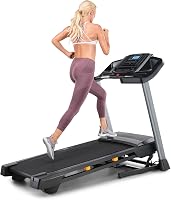
The NordicTrack T Series Treadmills for Home is a treadmill, not a rowing machine. It may suit a separate walking or running routine, but it won't help you rehearse rowing technique or an erg monitor.
What is the final rowing machine erg race set up?
For a rowing machine erg race set up, use a stable machine, secure foot straps, familiar monitor settings, and a pace plan you have practiced. Confirm event rules and machine controls before the start.
Choose the Concept2 RowErg if PM5 display practice is a priority; choose the Stamina for home rowing practice if its hydraulic resistance and monitor suit your routine. For technique basics, continue with how to use an erg rowing machine.
Frequently asked questions
What should I set on my rowing monitor for an erg race?
Set the race distance or workout your event requires, then choose the monitor units and display fields you understand. If the monitor offers pace, watts, or stroke rate, use the same view you practiced with.
Check the event rules and monitor manual because available settings vary by machine.
Should I change the damper before an erg race?
Use the resistance setting you have practiced with, and avoid making a large change on race day. On a Concept2 RowErg, resistance is adjusted with the damper setting, but damper position is not a direct measure of effort.
Follow event guidance and your own training plan.
How do I set a rowing machine foot straps for racing?
Set both footrests so your feet sit securely and the straps cross the widest part of each foot. You should be able to push through the footplates without your heels lifting excessively or your feet sliding.
Check the machine instructions, then rehearse the position before race day.
How should I pace an erg race?
Use a pace you have practiced for the event distance, and avoid sprinting the opening strokes before you settle into rhythm. Break the race into manageable sections and decide in advance when to hold pace or increase effort.
Your training and the event distance should guide the plan.