What Is a Good Time to Row 1000 Meters?
A good rowing machine time for 1000m depends on your experience, but many beginners can use 5 to 7 minutes as a starting benchmark. Focus on steady pacing and clean form before chasing a faster split.
On this page (7 sections)
A good rowing machine time for 1000m depends on your experience, machine, resistance, and pacing. For many beginners, 5 to 7 minutes is a useful starting benchmark, while experienced recreational rowers may aim closer to 4 to 5 minutes.
That range works best as a starting guide, not as a pass or fail mark. Your body size, fitness level, and familiarity with rowing can move the result in either direction.
A first attempt often feels slower because you are learning how the stroke should flow. It is normal to spend more time thinking about leg drive, body position, and handle timing.
The number matters less than how you reached it. A steady 1000m row with controlled breathing and repeatable technique gives you a better training marker than a rushed effort.
A rushed start can cause the stroke to break down halfway through. Once your legs tire and your arms take over, each stroke becomes less useful and harder to repeat.
Machine differences also affect the time you record. Hydraulic resistance and air resistance do not feel the same, even when the distance shown is identical.
For that reason, your own trend on one machine is more useful than a comparison with someone else. Record the time, resistance setting, and average stroke rate each time you test.
Your first goal should be a controlled row you can repeat next week. Speed will usually follow when your form, pacing, and basic fitness improve together.
If your time is outside the benchmark range, focus on the basics before changing settings. A calm warm up, a steady stroke rate, and a stronger finish can make a real difference.
Use the benchmark to set a fair target for your next few sessions. Then judge progress by whether your row feels smoother and your time trends down over time.
What is the average rowing machine time for 1000m?
There is no single rowing machine average time for 1000m that fits every person. A practical comparison range is about 5 to 7 minutes for beginners, 4:30 to 5:30 for regular recreational rowers, and under 4:30 for strong or well-trained rowers.
These ranges are broad guides, not official standards. Body size, age, fitness, rowing experience, machine design, and resistance settings all affect the result.
A 1000m row takes less time than a longer endurance piece, so it usually involves a stronger effort. You should still avoid sprinting from the first stroke.
Start at a pace you can hold, then increase effort during the final 250 to 300 meters if you have energy left.
What changes your 1000m rowing time?
Your rowing machine time for 1000m changes most with fitness, technique, resistance, stroke rate, and pacing. The machine itself also matters because hydraulic, air, and other resistance systems do not feel identical.
A faster result usually comes from producing more power on the drive while keeping the recovery controlled. Pulling harder with the arms alone can make the stroke tiring without adding useful speed.
Your starting point also matters. Someone new to rowing may spend time learning the order of the stroke, while an experienced rower can keep the movement efficient under pressure.
How does stroke rate affect 1000m pace?
Stroke rate affects how often you repeat the stroke, but it does not tell you how powerful each stroke is. A very high rate can shorten the drive, reduce control, and make you tire early.
Use a moderate rate for most of the distance. The rowing machine spm adjustment guide explains how to raise or lower your rate without losing the basic stroke sequence.
For a short benchmark, try to keep the first 500 meters controlled. If your breathing and leg drive remain steady, increase the rate slightly or push harder during the final half.
Does rowing form matter more than resistance?
Good form matters more than simply adding resistance. Start with the legs, swing the body slightly, then finish with the arms.
Return in the opposite order by extending the arms, leaning forward, and bending the knees.
Keep your shoulders relaxed and avoid pulling the handle toward your neck. A smooth stroke helps you repeat power without wasting energy.
If you are unsure whether to track distance, time, or repetitions, read whether rowing is based on time or reps. The best measure depends on the workout goal.
Which rowing machine can help you practice 1000 meters?
A rowing machine with a clear monitor and a resistance system you can repeat makes 1000m practice easier. You should use the same settings each time so your results remain useful.
The Stamina Hydraulic Rowing Machine uses adjustable hydraulic cylinder resistance, full-motion rowing arms, a molded seat, padded handgrips, and textured footplates with straps. Its monitor tracks stroke count, time, and calories burned, while the machine supports up to 250 lb and folds for storage.
This machine suits beginners who want a home and gym exercise machine with a compact folded design. Hydraulic resistance can feel different from the air resistance used on many rowing benchmarks, so compare your own times on the same rower rather than treating them as directly interchangeable.
The Concept2 RowErg Indoor Rowing Machine uses adjustable air resistance and includes the PM5 monitor, device holder, adjustable footrests, and an ergonomic handle. It separates into 2 pieces for storage, has caster wheels for movement, and supports workout views such as pace, watts, and calories.
The RowErg suits people who want more detailed workout data and a familiar format for comparing sessions. Its recommended use space is 9 x 4 ft, so measure the area before setting up the machine.
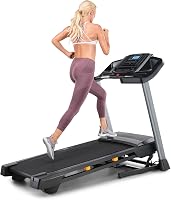
The NordicTrack T Series Treadmills for Home are not rowing machines, but they can support related cardio training through walking, jogging, running, incline work, and speeds up to 10 MPH.
The foldable treadmill has a 0 to 10% incline range, a 5 in LCD, and KeyFlex cushioning.
Choose this option only if your goal includes broader home cardio rather than rowing practice. It cannot reproduce the rowing stroke or give you a rowing distance benchmark.
How should you pace a 1000m row?
The best 1000m pacing plan is controlled at the start, steady through the middle, and stronger near the finish. This keeps you from spending all your energy in the first minute.
Try this simple structure:
- Row the first 250 meters at a pace you can hold without straining.
- Settle into a steady rhythm through 500 meters.
- Check your breathing and posture at the halfway point.
- Increase effort slightly from 600 to 800 meters if your form remains stable.
- Push through the final 200 meters, then cool down gradually.
Avoid changing several variables at once. If you increase stroke rate, resistance, and effort together, you will not know which change affected your time.
For gym users, the guide to how to use a rowing machine at Planet Fitness can help you prepare before starting a timed piece.
How can you compare times fairly?
Compare times fairly by using the same machine, distance setting, resistance approach, warm-up, and pacing plan. A 1000m result on a hydraulic rower may not match a result on an air rower.
Write down your time, average stroke rate, resistance setting, and how hard the effort felt. If your machine shows pace, watts, or calories, record those too.
Do not compare a first attempt with a later result after several weeks of training as if the conditions were identical. Instead, look for a trend on the same machine.
If you plan to row in a gym or race setting, use the rowing machine erg race set up guide to make your position and monitor setup more consistent.
Should you train for speed or endurance first?
Build repeatable technique and basic endurance before making every 1000m session an all-out test. Two or 3 controlled rowing sessions each week can give you more useful practice than one maximal effort followed by several days of fatigue.
Regular practice helps your body learn the stroke order. Your legs, back, and arms also get used to working together without rushing the recovery.
You can alternate short and longer work across the week. For example, use several controlled intervals on one day, then a longer easy row on another day.
Intervals can help you practice pacing in smaller pieces. Shorter efforts may also feel easier to manage while your technique is still developing.
A longer easy row builds steady aerobic fitness. Keep the effort low enough that you can breathe well and finish with the stroke intact.
Keep the resistance and stroke rate manageable enough to maintain form. Raise one variable at a time so you can see what helps and what makes the row harder.
Rest days matter as much as training days. Your muscles need time to recover before they can produce a stronger and more repeatable stroke.
A strong 1000m time is useful only if you can repeat the effort safely. Stop if you feel chest pain, dizziness, unusual shortness of breath, or sharp pain, and seek medical advice when symptoms continue.
Test your time only every few weeks during this stage. That gives your training time to work while still showing whether your pace is improving.
How do you choose equipment for 1000m training?
Choose equipment based on the kind of training you want to repeat. The Stamina suits compact home use and hydraulic resistance, while the Concept2 offers more detailed rowing data and air resistance.
The NordicTrack supports general cardio but does not replace a rower.
Before buying, check the available floor space, storage plan, monitor features, and resistance style. The guide to the Best Rowing Machine for a Limited Budget can help if your budget is limited, while what the average rowing machine costs gives broader buying context.
The main decision rule is simple: use the same machine and settings when tracking progress, keep your stroke controlled, and judge your 1000m time against your own previous results. A steady improvement in pace with consistent form is more useful than chasing a number from a different machine.
Frequently asked questions
What is a good beginner time to row 1000 meters?
A 5- to 7-minute 1000m row is a reasonable starting range for many beginners, but your first goal should be steady effort and safe form. Your result will change with resistance, stroke rate, machine type, fitness level, and how familiar you are with rowing.
Is rowing 1000 meters in 4 minutes good?
Yes, 4 minutes for 1000 meters is a fast result for many recreational rowers. Compare the time only with similar machines and conditions, because air resistance, hydraulic resistance, damper settings, pacing, and technique can make two 1000m efforts feel very different.
How often should I test my 1000m rowing time?
Test your 1000m time every 2 to 4 weeks if you want to track progress. Use the same machine, resistance setting, warm-up, and pacing plan each time.
Frequent all-out tests can make recovery harder, so most workouts should use controlled effort.
What stroke rate should I use for a 1000m row?
Many recreational rowers can begin around 20 to 26 strokes per minute and adjust from there. A higher stroke rate is not automatically faster if it shortens the drive or weakens the finish.
Keep the stroke controlled and raise the rate only when your form stays consistent.