How to Choose a Rowing Machine Seat for Pelvic Floor Comfort
For rowing seats that protect pelvic floor muscles, choose a stable, well-fitting seat or pad that lets you row without added pressure. No cushion or cover can promise protection or treat symptoms; use comfort and fit to guide your choice.
On this page (10 sections)
- What should you look for in rowing seats that protect pelvic floor muscles?
- How do seat pads, cushions and covers differ?
- Which seat option fits your needs?
- How can you judge fit and pressure before a longer row?
- How should you set up a rowing seat cushion or cover?
- How can rowing adjustments support a more comfortable setup?
- How do you care for a rowing seat accessory?
- What common seat mistakes should you avoid?
- When should you stop rowing and seek advice?
- Which rowing seat should you choose for pelvic floor comfort?
Rowing seats that protect pelvic floor muscles should be chosen for stable fit and comfortable pressure, not a promise of medical protection. A cushion or cover can change how a firm seat feels, but it cannot prevent injury or treat pelvic floor symptoms.
This guide compares 3 seat options by padding, attachment and machine fit. Start with a short, easy row after any change.
If you notice ongoing pain, pressure, leakage or other symptoms, pause and speak with a healthcare professional.
What should you look for in rowing seats that protect pelvic floor muscles?
Choose a seat setup that lets you sit evenly, stay stable and row without increasing pressure or strain. No seat shape or cushion here is established as pelvic floor protection, so treat comfort as an individual fit question.
First notice how the original seat feels during an easy session. Pay attention to where pressure builds, whether you slide or shift, and whether discomfort changes as you row longer or harder.
This gives you a useful comparison point when trying an accessory.
Think about the type of change you want. A padded cushion adds softness; a thinner cover changes the contact surface; replacement parts address a seat that is worn or moving poorly.
These options solve different problems, so more padding is not automatically the best answer. Compare rowing machine accessories if you want to consider other add-ons.
Machine compatibility matters as much as feel. Compare the accessory’s shape and attachment method with your rower’s seat before buying.
A pad made to fit one seat may not sit securely on another, even if it appears close in size.
How do seat pads, cushions and covers differ?
A cushion adds padding, a seat pad describes a pad that sits on top of the existing seat, and a cover fits over the seat itself. Decide how much the surface should change before comparing specific options.
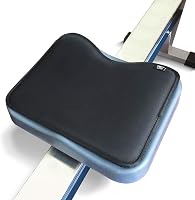
The Hornet Watersports cushion uses a polyurethane foam core and an anti-slip fabric bottom. It suits rowers who want a soft layer and have a compatible Concept2, WaterRower or Hydrow seat.
Its wipe-clean surface is straightforward to care for.
The 2K Fit Model 2 is the most padded option here, with 3 inches of memory foam, straps and a removable washable mesh cover. It is a fit for people who want more cushioning and prefer a cover they can remove for washing.
Skip it if you want to preserve the original seat height and feel.
The Vapor Fitness cover uses silicone shaped to fit over a Concept2 seat. It adds a grippy surface and modest comfort for longer rows, rather than the deep softness of memory foam.
It suits Concept2 owners seeking a lower-profile change; skip it if thick padding is your priority.
For more options, compare the Best Rowing Machine Seat Cushion with our Best Rowing Machine Seat Pad guide. The first helps when you want added cushioning, while a lower-profile pad may suit someone who wants less change to their seating position.
Which seat option fits your needs?
The right choice depends on what you want to change and how securely the accessory fits your machine. Choose the simplest option that addresses your specific comfort issue.
| Your priority | Consider | Why it may fit |
|---|---|---|
| A softer layer with an anti-slip bottom | Hornet Watersports cushion | Foam core, wipe-clean care, and fit for several named rower types |
| More substantial cushioning with a washable cover | 2K Fit Model 2 | 3-inch memory foam, seat straps and removable mesh cover |
| A grippy, lower-profile surface for a Concept2 | Vapor Fitness silicone cover | Shaped for a Concept2 seat and made from silicone |
If your rower is a Concept2 and you are comparing different cushion designs, see the best Concept2 rowing machine seat cushion guide. Check that the attachment and shape suit your exact seat before choosing.
If the problem is a seat that catches, rocks or makes unusual noise, a cushion is unlikely to fix it. Look at the machine’s rails and wheels, then compare compatible options in our Best Rowing Machine Replacement Seat Wheels guide.
How can you judge fit and pressure before a longer row?
A suitable setup should feel steady while you move through the stroke. Try it at low effort and keep the first session short enough to notice any change.
Before ordering, compare the accessory’s shape with your seat and check how it stays in place. A cushion that shifts, bunches or lifts at the edge can distract you and make it harder to keep a balanced position.
Strap attachment can help secure a pad, while a fitted cover relies on matching the seat shape.
Use this quick check after installing it:
- Sit centered with both feet secured and your shoulders relaxed.
- Take a few easy strokes and notice whether you stay in place.
- Check whether the pad shifts or changes your position.
- Notice pressure points and any urge to brace or clench.
- Stop if discomfort or pressure increases.
Do not use extra cushioning to push through symptoms. If the new setup feels unstable or makes your rowing position awkward, remove it and return to the setup that feels controlled.
How should you set up a rowing seat cushion or cover?
Install the accessory so it sits flat and remains aligned with the original seat. A secure fit is the first setup check; softness alone is not enough.
For a strap-secured cushion, center it on the seat and fasten the straps as directed. Make sure the pad does not rock, fold or pull to one side when you sit.
For a fitted cover, slide it over the seat as intended and check that it does not lift or rotate during gentle movement.
Then sit down and confirm that your weight feels balanced. Keep your feet secure without overtightening the straps, and make a few easy strokes before settling into a longer session.
If you are comparing rowing machine foot straps, check fit and adjustability for your machine. If the accessory raises your seating position enough to change how your legs or hips move, remove it and reassess whether that style is right for you.
Avoid stacking pads or adding makeshift layers. Extra height can make the setup feel less stable and change your position without solving the original pressure point.
How can rowing adjustments support a more comfortable setup?
Use a relaxed, controlled stroke while you assess a seat change. The accessory should work with a comfortable rowing position, not replace one.
Sit tall rather than slumping, and avoid gripping or bracing more than needed. Row at a pace that lets you stay relaxed.
If you notice pressure, stop and check the seat position, foot straps and your movement before trying again.
A shorter, easy session is a practical first step after changing the seat. If discomfort appears, note whether it begins at rest, during the drive or at the finish.
That detail can help you describe the issue to a healthcare professional.
For broader context, read about whether a rowing machine is good for pelvic floor comfort. If you are arranging your exercise space as well, see how to protect hardwood floors from a rowing machine.
How do you care for a rowing seat accessory?
Follow the cleaning method suited to the material and construction. Wipe the Hornet cushion with a damp cloth, wash the removable 2K Fit cover, and clean the silicone cover with water and soap.
Let a surface dry before using it again, and check that straps, buckles and edges remain secure. Avoid storing a damp cover against the seat, since moisture can linger between layers.
Keep the machine seat clean too, so dust or sweat does not build up underneath an accessory.
For a washable cover, remove it as intended rather than pulling hard against the zipper or seams. Refit it evenly after washing.
With a silicone cover, rinse away soap and let it dry before placing it back over the seat.
What common seat mistakes should you avoid?
The most common mistake is choosing the thickest pad without checking how it changes your position. A comfortable seat should stay stable and let you row naturally, not force you to adapt around it.
Avoid these errors:
- Buying by the machine brand alone without checking the seat shape.
- Assuming a soft cushion will prevent pelvic floor symptoms.
- Continuing a session when pressure or pain is getting worse.
- Tightening foot straps to compensate for a pad that moves.
- Stacking cushions, which can create an unstable seat height.
- Treating a rough or wobbling seat as a cushioning problem.
- Extending session time immediately after changing the setup.
If the seat itself catches, rocks or makes unusual noise, inspect the wheels and rails using your machine’s instructions. A seat accessory will not correct a mechanical problem.
Resolve instability before increasing pace or distance, and use our replacement seat wheels guide to compare compatible parts.
When should you stop rowing and seek advice?
Stop rowing and seek professional advice if you have ongoing pain, pressure, new leakage or symptoms that return with exercise. A different seat may change contact comfort, but it cannot diagnose or treat the cause.
If symptoms are severe, worsening or affecting daily activities, talk with a healthcare professional before resuming. Explain what you changed, how long you rowed and when the symptoms started.
Do not rely on a new cover or cushion to make persistent symptoms safe to ignore.
Which rowing seat should you choose for pelvic floor comfort?
For rowing seats that protect pelvic floor muscles, choose by fit and comfort, not by a claim of protection. Pick the Hornet cushion for a simple foam layer, the 2K Fit Model 2 for deeper padding and a washable cover, or the Vapor Fitness cover for a grippy, lower-profile Concept2 fit.
Check the accessory against your seat, install it securely and start with a short, easy row. If discomfort increases or symptoms persist, pause rowing and ask a healthcare professional for guidance.
Frequently asked questions
Can a rowing seat protect pelvic floor muscles?
No seat can be said to protect pelvic floor muscles based on fit or cushioning alone. A cushion may change pressure and comfort, but it does not prevent injury or treat symptoms.
If rowing brings on pain, pressure, leakage or other ongoing symptoms, stop and ask a healthcare professional about your situation.
Is a thicker rowing seat cushion better?
Not always. A thicker cushion may feel softer, but it can also change your position on the seat or feel unstable.
Compare the seat shape, how securely the cushion stays in place and whether you can row with relaxed posture.
Start with a short, easy session when trying a new setup.
Should I keep rowing if I feel pelvic pressure?
Pause or reduce rowing if you feel pelvic pressure, pain or new symptoms. Check your posture and seat setup, but don't assume a different cushion will solve the cause.
If the symptom persists, returns or concerns you, ask a healthcare professional before resuming hard or long sessions.