How to Protect Hardwood Floors from a Rowing Machine?
On this page (3 sections)
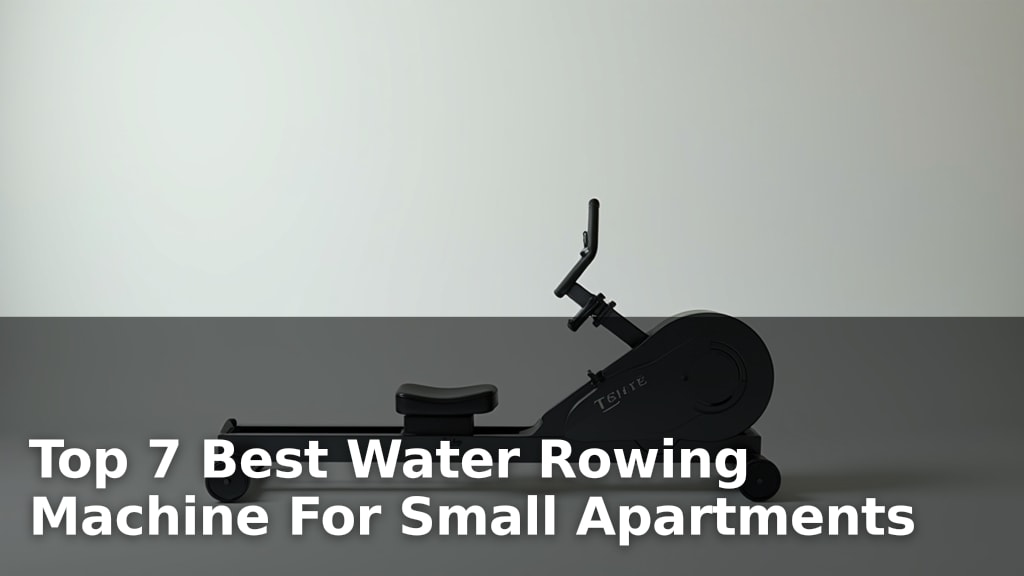
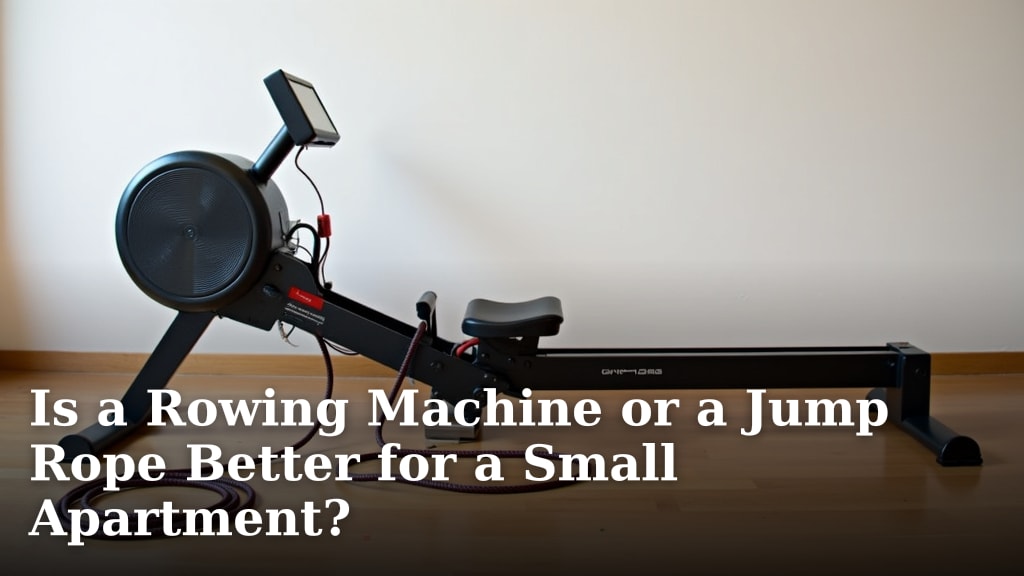
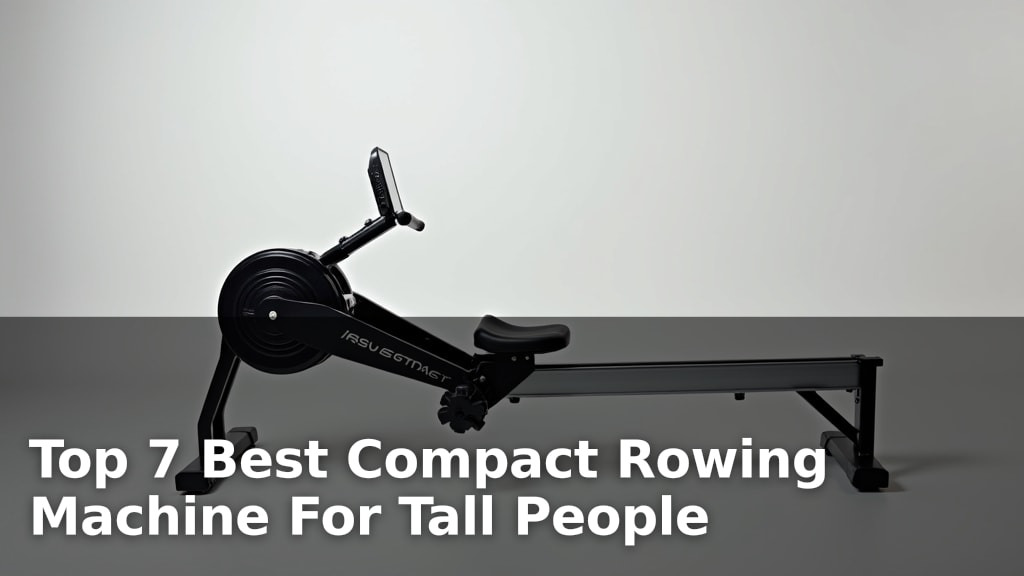
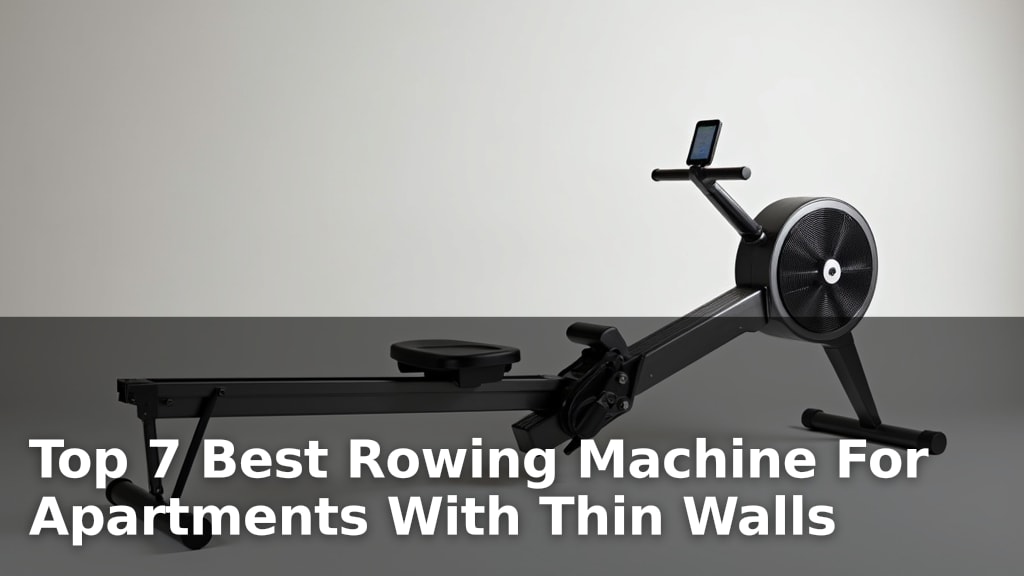
The easiest way to protect hardwood floors from a rowing machine is by using a protective mat made for exercise equipment. This simple step creates a barrier. It stops damage from scuffs, dents, and sweat.
You want to keep your beautiful floors safe, right? Rowing machines can be heavy. They also involve repetitive motion. This combination can easily scuff or dent your flooring over time. We found that proper preparation is key to preventing wear and tear.
TL;DR:
- Use a protective mat.
- Clean the floor before placing the machine.
- Check your rowing machine’s feet.
- Consider furniture sliders for movement.
- Clean up sweat right away.
Let’s walk through how to keep your hardwood floors looking great, even with a rowing machine in your home.
Safeguarding Your Hardwood Floors from Exercise Equipment
Protecting your beautiful hardwood floors from a rowing machine is simpler than you think. It just takes a few smart steps. You want to prevent damage before it starts. This approach keeps your floors looking pristine.
Choosing the Right Mat for Your Rowing Machine
The single most effective way to protect your floors is to use a high-quality mat. For more on rowers for hardwood floors, see our guide to rowers for hardwood floors. Not just any mat will do. You need one designed specifically for exercise equipment.
Mat Material Matters
When selecting a mat, consider its material. PVC, rubber, and EVA foam are common choices. Each has unique benefits for floor protection.
- PVC (Polyvinyl Chloride): These mats are durable and offer good grip. They resist tearing and stand up well to heavy equipment. We found them excellent for long-term use.
- Rubber: Rubber mats provide superb shock absorption. They also prevent slipping effectively. This is a great choice if your machine slides even a little.
- EVA Foam (Ethylene-Vinyl Acetate): EVA foam mats are lighter and often softer. They are great for noise reduction and offer moderate protection. They are usually more affordable.
Size and Thickness Considerations
The mat should be larger than your rowing machine. Allow for extra space around the edges. This catches any sweat or accidental spills. A mat that’s too small won’t offer full protection. For thickness, aim for at least 1/4 inch (6mm). Thicker mats provide better cushioning against dents.
Consider the specific dimensions of your rowing machine. Measure its footprint. Then, add a few inches on all sides for optimal coverage. This simple step gives you peace of mind.
Preparing Your Floor Before Setup
Before you even think about placing your rowing machine, prepare the area. A clean surface is a crucial first step. Ignoring this can lead to surprising damage.
Thoroughly Clean the Hardwood
Dust and tiny debris can become abrasive under pressure. They can scratch your beautiful floor. Sweep and vacuum the area where your machine will sit. Then, gently wipe it down with a hardwood floor cleaner. Make sure it’s completely dry before proceeding.
Inspect for Existing Damage
Take a moment to look at your floor. Are there any existing chips or uneven spots? Addressing these now can prevent further issues. You don’t want a small imperfection to become a major problem under pressure.
Understanding Your Rowing Machine’s Feet
The feet of your rowing machine are the direct contact point with your floor. They deserve careful attention. What kind of feet does your machine have?
Rubber vs. Plastic Feet
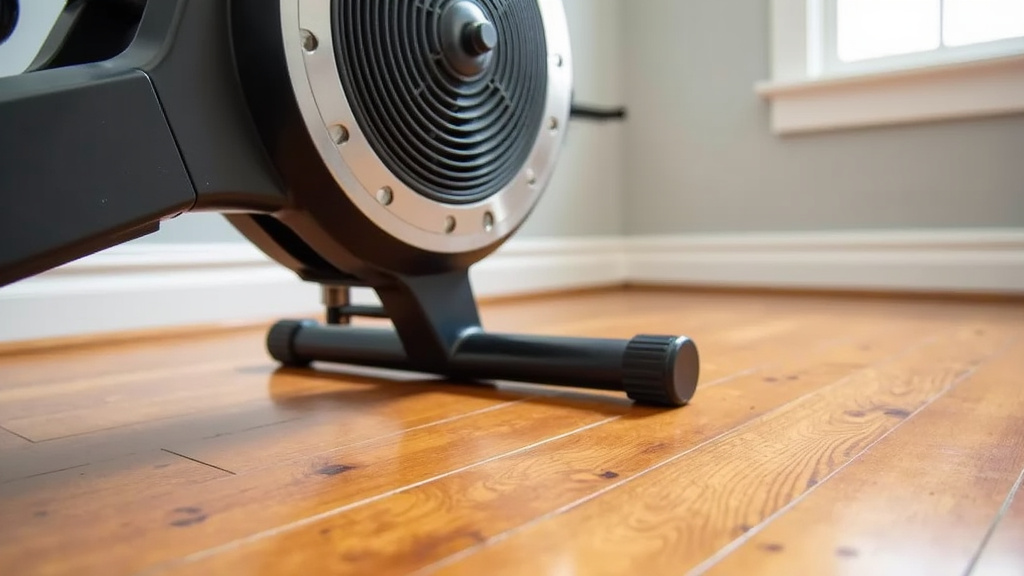
Most rowing machines come with rubber or plastic feet. Rubber feet are generally preferred. They offer better grip and are less likely to scuff. Plastic feet, especially hard plastic, can be problematic. They can scratch and slide too easily. If your machine has hard plastic feet, you might need to adapt.
Adding Extra Padding to Machine Feet
If your machine’s feet seem too hard or small, add extra padding. Self-adhesive felt pads or furniture protectors work wonders. These are inexpensive and easy to apply. They create a soft barrier between the machine and your mat, or directly with the floor if you choose a very thick mat. This reduces pressure points and prevents indentations.
Moving and Storing Your Rowing Machine Safely
Rowing machines can be heavy and awkward to move. Dragging them across the floor is a big no-no. It can cause serious scratches and gouges. Always prioritize lifting or rolling.
Utilizing Furniture Sliders
For machines without built-in wheels, furniture sliders are your friend. For more on securing a rower on slippery flooring, see our guide to secure a rower on slippery flooring. Place them under each foot of the machine. This allows you to slide the machine smoothly without damaging the floor. They are perfect for repositioning or moving the machine for cleaning. Just make sure the sliders are robust enough for the machine’s weight.
Storing Your Machine on the Mat
When you’re not using your rowing machine, keep it on its protective mat. Even in storage, parts can rest on the floor. If you store it upright, make sure the contact points still have protection. Some machines fold or stand vertically. Ensure these storage positions don’t put unprotected metal or plastic directly onto your hardwood.
Maintaining a Clean and Dry Exercise Space
Sweat is your floor’s enemy. It can cause water damage, dull the finish, and even lead to warping over time. Keeping your exercise area clean and dry is vital.
Immediate Sweat Cleanup
Always keep a towel handy. Wipe up sweat immediately, both from your machine and the floor. Don’t let it sit. Over time, moisture can seep into wood seams. This leads to permanent damage. A quick wipe-down after each workout makes a big difference.
Regular Mat and Floor Cleaning
Your protective mat needs cleaning too. Dust, sweat, and dirt can accumulate. A damp cloth with a mild cleaner is usually enough. For the hardwood floor beneath, follow your manufacturer’s cleaning recommendations. Regular cleaning prevents grime buildup that could eventually trap moisture or become abrasive.
Routine Checks for Peace of Mind
Even with all these precautions, it’s smart to do regular checks. A quick look can catch minor issues before they become major problems. Think of it as preventative maintenance for your floor.
Inspect Machine Feet
Periodically lift your rowing machine and check its feet. Are the felt pads still in place? Are the rubber feet cracked or worn down? Replace any damaged protectors right away. This ensures consistent protection.
Check Under the Mat
Every few months, move your rowing machine and lift the mat. Look at the hardwood floor underneath. Is there any moisture? Any signs of indentation or discoloration? Catching these early can prevent significant damage. This is especially important in humid environments or if you sweat a lot.
| Protection Method | Benefit | Consideration |
|---|---|---|
| Protective Mat | Best overall barrier against scuffs, dents, and sweat. | Choose material (rubber/PVC) and thickness wisely. |
| Clean Floor Surface | Prevents abrasive micro-scratches from dust/debris. | Must be done before placing machine; dry completely. |
| Padded Machine Feet | Reduces pressure points and prevents indentations. | Check feet material; add felt pads if needed. |
| Furniture Sliders | Enables safe, easy movement without dragging. | Crucial for moving heavy machines without wheels. |
| Immediate Sweat Cleanup | Prevents moisture damage, dulling, and warping. | Keep a towel handy and wipe down after every use. |
Your Hardwood Floor Protection Checklist
Here’s a quick checklist to make sure you’ve covered all the bases. You’re aiming for full protection and long-term enjoyment of your floors.
- Have you measured and purchased the correct size and thickness of an exercise equipment mat?
- Did you thoroughly clean and dry the hardwood floor before placing the mat and machine?
- Are the feet of your rowing machine padded or made of soft, non-marking material?
- Do you have furniture sliders or a plan for safely moving your machine when needed?
- Is a towel easily accessible for prompt sweat cleanup after every workout?
- Do you perform periodic checks of the machine’s feet and the floor beneath the mat?
By following these steps, you’re not just protecting your floors. You’re also ensuring your rowing machine setup is safe and stable. Enjoy your workouts without a worry in the world!
Conclusion
Protecting your beautiful hardwood floors from a rowing machine boils down to a few thoughtful choices. By selecting the right mat, preparing your space correctly, and paying attention to your machine’s feet, you prevent damage before it even starts. Routine checks and immediate sweat cleanup are also crucial.
You can truly enjoy your workouts without worrying about wear and tear on your expensive flooring. Now, take these steps to set up your rowing machine confidently, knowing your hardwood floors are safe and sound.
Frequently Asked Questions
Can I use a yoga mat instead of an exercise equipment mat?
While a yoga mat offers some protection, we found it’s generally not sufficient for heavy exercise equipment like a rowing machine. Yoga mats are often thinner and not designed to withstand the concentrated pressure and repetitive motion. They might not prevent dents or fully absorb sweat effectively.
How often should I clean under my rowing machine mat?
We recommend lifting your mat and cleaning the hardwood floor underneath every 1-3 months. This helps you check for any trapped moisture, dust, or potential damage that might be forming. Adjust this frequency based on how much you sweat and your home’s humidity levels.
Will any furniture sliders work under my rowing machine?
No, not all furniture sliders are suitable. You need sliders designed for heavy furniture or equipment, ensuring they can support the full weight of your rowing machine. Choose ones with a soft, non-abrasive underside to prevent scratching your hardwood when moving the machine.
Can direct sunlight damage the area under the mat over time?
Yes, concentrated sunlight can cause discoloration or fading on your hardwood floors, especially if part of the floor is consistently covered by a mat while other parts are exposed. We suggest occasionally moving your machine and mat around, if possible, or using UV-protective window coverings for that area.
What if my rowing machine didn’t come with soft feet?
If your rowing machine has hard plastic or metal feet, you must add extra protection. Self-adhesive felt pads, rubber furniture cups, or specialized equipment foot covers are excellent options. Apply these directly to the machine’s feet to create a soft, non-marring barrier against your mat and floor.