How to Anchor a Rowing Machine on a Slippery Floor?
On this page (7 sections)
To anchor a rowing machine on a slippery floor, your best bet is to use a non-slip mat designed for exercise equipment. You can also try placing a rubber mat or even a folded towel under the machine. These simple solutions prevent the machine from sliding during intense workouts, ensuring your safety and a consistent rowing experience.
A sliding rower isn’t just annoying; it can be a safety hazard. We’ve all been there, mid-row, feeling the machine shift. Finding the right anchor means you can focus on your workout, not on keeping your equipment in place. It’s about creating a stable, reliable setup for your fitness routine. It’s about creating a stable, reliable setup for your fitness routine. Consider how much space does a rowing machine need to ensure it fits well.
- Use a non-slip exercise mat.
- Try a rubber mat or folded towel.
- Secure the machine to prevent sliding.
- Ensure a safe and consistent workout.
Let’s walk through the most effective ways to keep your rowing machine firmly planted, no matter how slick your floor is.
Keeping Your Rowing Machine Steady on Slick Floors
A rowing machine can be an incredible tool for your fitness. You get a great cardio workout and build strength. But what happens when your machine decides to take a field trip across your living room floor? It can be startling and even a little scary. We want your workouts to be safe and effective. That’s why we’re looking at how to anchor your rower. You want it to stay put, no matter how intense your workout gets. Let’s get your rower anchored right.
Understanding the Slippery Floor Problem
Slippery floors are a common issue for home gym equipment. Think about gym floors, tiled kitchens, or polished hardwood. These surfaces offer little grip. Your rowing machine, especially during powerful strokes, can easily slide. This sliding isn’t just an annoyance; it can be a real safety concern. You might lose balance. The machine could move unexpectedly, potentially causing injury. Many guidelines point to proper equipment setup as a primary safety measure (CDC).
Why Do Rowers Slide?
Rowing machines exert forces in multiple directions. When you pull back, you push forward. When you push forward, you pull back. These forces can overcome the friction between the machine’s feet and the floor. If the floor is smooth, like tile or laminate, there’s very little friction to begin with. The heavier the machine, the more force it can generate before sliding. Lighter machines might slide with less effort. Some machines also have wheels at the front. These can make them prone to rolling if not properly supported.
The Risks of a Sliding Rower
A rowing machine that slides can lead to several problems. You might find yourself off-balance. This can cause you to stop your workout or, worse, fall. The machine could also slide into walls or other furniture. This can damage your home and your equipment. A jerky, uncontrolled movement can put unexpected stress on your body. This increases the risk of muscle strains or other injuries. Maintaining stability ensures a consistent workout rhythm. It also prevents those heart-stopping moments where you think your rower is going rogue.
The Best Anchoring Solutions for a Slippery Floor
The good news is that fixing this is usually quite simple. You don’t need complex installations or permanent changes. Most solutions involve adding a layer of friction between the rower and the floor. We’ve researched the most effective methods. They focus on increasing grip and stability. These methods are budget-friendly and easy to implement.
1. The Mighty Non-Slip Exercise Mat
This is often your first and best defense. Exercise mats designed for equipment are made with grip in mind. They are thicker than yoga mats. They provide a solid base. The material is usually a dense rubber or foam composite. This creates friction. It helps absorb vibrations. It also protects your floor from scuffs and damage. Many come in large sizes, offering plenty of room for your rower. You want a mat that is specifically designed for heavy equipment. Look for keywords like “heavy-duty” or “equipment mat.”
Choosing the Right Mat
When selecting an equipment mat, consider its thickness and size. A thicker mat (around 1/4 inch or more) will provide better cushioning and stability. Make sure it’s large enough to accommodate the entire base of your rowing machine. You don’t want the feet of the rower hanging off the edge. This could compromise stability. A mat with a textured surface will offer even better grip. Some mats are reversible, offering different textures on each side. Check reviews for mats that users say hold their rowers well on smooth floors.
2. The Versatile Rubber Mat
Similar to an exercise mat, a plain rubber mat can also be a great anchor. You might find these at hardware stores or home improvement centers. Look for thick, durable rubber options. Garage floor mats or anti-fatigue mats can work well. They are designed to withstand heavy use and provide good grip. They might not look as “gym-like” as a dedicated equipment mat. But they are highly effective at preventing slides. The key is finding one with enough texture and thickness.
Rubber Mat Considerations
Some rubber mats can have a strong odor when new. This is especially true for industrial-grade mats. It’s a good idea to let them air out for a day or two before placing your rower on them. Ensure the mat is large enough for your machine. Like equipment mats, a larger surface area provides more stability. If the mat feels too thin, you might consider layering two mats. However, this can sometimes create an uneven surface. It’s usually better to find one thicker, solid rubber mat if possible. Many studies show that rubberized surfaces significantly increase friction coefficients (NCBI).
3. The Folded Towel Trick (Temporary Fix)
In a pinch, a thick, folded towel can work. This is not a long-term solution. But it can stop your rower from sliding during a single workout. Fold a large bath towel several times. Place it under the feet of your rowing machine. The fabric of the towel can create enough friction. It will prevent the machine from moving too much. This is a good option if you’re traveling with your rower or need a quick fix. Just remember to remove it afterward. You don’t want it becoming a tripping hazard.
When to Use a Towel
A towel is best for situations where you need immediate, temporary stability. If you’re visiting a friend and want to get a row in on their slick floor, a towel is perfect. If you’ve just moved and your gym equipment hasn’t arrived yet, it can help. It’s also useful if you only use your rower very occasionally. For regular, intense workouts, you’ll want a more permanent solution. The texture and thickness of the towel matter. A thick terry cloth towel is better than a thin microfiber one. You’re looking for something that can create some friction without bunching up too much.
Securing Your Rower: Extra Steps for Peace of Mind
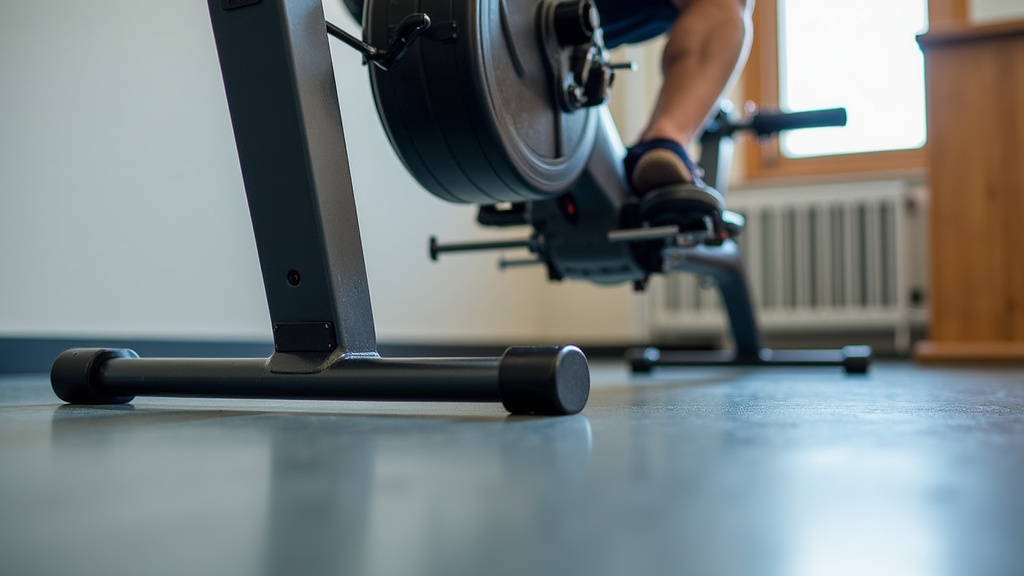
While mats and rubber are great, sometimes you might want extra security. This is especially true if you have very slick floors or very energetic workouts. These steps add another layer of confidence.
Using Straps or Weights
For ultimate stability, you can consider using straps or weights. Some people use heavy-duty Velcro straps to attach the rower’s feet to a mat. If your mat has eyelets, you might be able to secure it to the floor. Another method involves placing heavy exercise weights around the base of the machine. This adds extra downward pressure. It makes it harder for the rower to slide. Always ensure any added weights are stable and won’t tip over. Make sure any straps are securely fastened. You don’t want them to become a new hazard.
Consider DIY Solutions (With Caution)
Some users get creative with DIY solutions. This might involve attaching rubber strips to the bottom of the rower’s feet. Or creating a custom-sized non-slip base. If you go this route, proceed with caution. Ensure your modifications do not damage the rowing machine or your floor. Test any DIY solution thoroughly in a safe environment. Many experts advise against modifying equipment in ways that could void warranties or create new safety risks. Keep it simple and safe if possible.
Checklist for a Stable Rowing Experience
To ensure your rowing machine stays put on your slippery floor, follow these simple steps:
- Choose the right anchoring solution for your floor type.
- Ensure your mat or rubber base is large enough for the entire rower.
- Check that the mat provides good grip and is not slippery itself.
- Perform a test row to see if the machine stays in place.
- Add extra weight or straps if needed for added security.
- Regularly inspect your setup for any signs of slipping.
Conclusion
You’ve learned that a sliding rowing machine is more than just a minor annoyance; it’s a potential safety risk. By using simple, effective solutions like a non-slip exercise mat or a durable rubber mat, you can create a stable base for your rower. These methods are easy to implement and require no permanent changes to your home. Don’t let a slippery floor hold you back from a great workout. Take a moment to choose the right anchoring solution for your space, and you’ll ensure a safer, more consistent rowing experience every time you train.
Frequently Asked Questions
Will any rubber mat work, or do I need a special one?
A thick, durable rubber mat with a textured surface is best. While some specialized exercise mats are ideal, a heavy-duty garage floor mat or anti-fatigue mat can also provide excellent grip. Just ensure it’s substantial enough to prevent sliding and large enough for your machine.
Can I use my yoga mat to stop my rower from sliding?
A yoga mat is generally too thin and not designed for the forces exerted by a rowing machine. They lack the necessary grip and stability. You’ll likely find your rower still slides on a yoga mat, so it’s not a recommended solution for slippery floors.
How often should I check my rowing machine’s stability?
It’s a good practice to check your rower’s stability before each workout, especially if you’ve recently adjusted its position or have had an unusually vigorous session. Regularly inspect the mat for wear and tear, too.
What if my rowing machine has wheels?
Rowing machines with wheels can be more prone to sliding. The anchoring solutions discussed, like thick mats, help stabilize the entire base of the machine. Ensure the wheels are firmly on the mat and not able to roll freely off the edge.
Is it safe to strap my rowing machine down?
Using straps can add an extra layer of security, but you must do so carefully. Ensure the straps are strong, securely fastened, and don’t create new tripping hazards or damage your rower or floor. This is usually an optional step for added peace of mind on very slick surfaces.