Walking Pad vs Rowing Machine: Which Fits Your Routine? (November 2026)
Choose a walking pad for easy desk walking and a rowing machine for fuller seated exercise. The better option depends on your available space, movement goals and how often you'll use it.
On this page (9 sections)
- Walking pad vs rowing machine: which is easier to use daily?
- Which gives you more full-body movement?
- How much space does each machine need?
- Which rower is better for a quiet home workout?
- Which rower is better for guided training and storage?
- Which machine is better for beginners?
- Walking pad vs rowing machine for calorie-focused routines
- How should you choose between walking and rowing?
- Final choice: walking pad or rowing machine?
Choose a walking pad for easy desk walking and a rowing machine for fuller seated exercise. The walking pad vs rowing machine decision depends on your space, movement goals and how much structure you want from each session.
That choice is less about which machine is better in general and more about how you will actually use it at home. A walking pad suits short, frequent movement woven into a normal day.
A rowing machine suits a planned session where you sit down, focus on form and work through a set period of effort.
A walking pad lets you add steps while working, watching television or taking a light movement break. You can step on, walk at an easy pace and step off without changing clothes or clearing a large area.
That low barrier makes it easier to repeat, even on days when a full workout feels like too much.
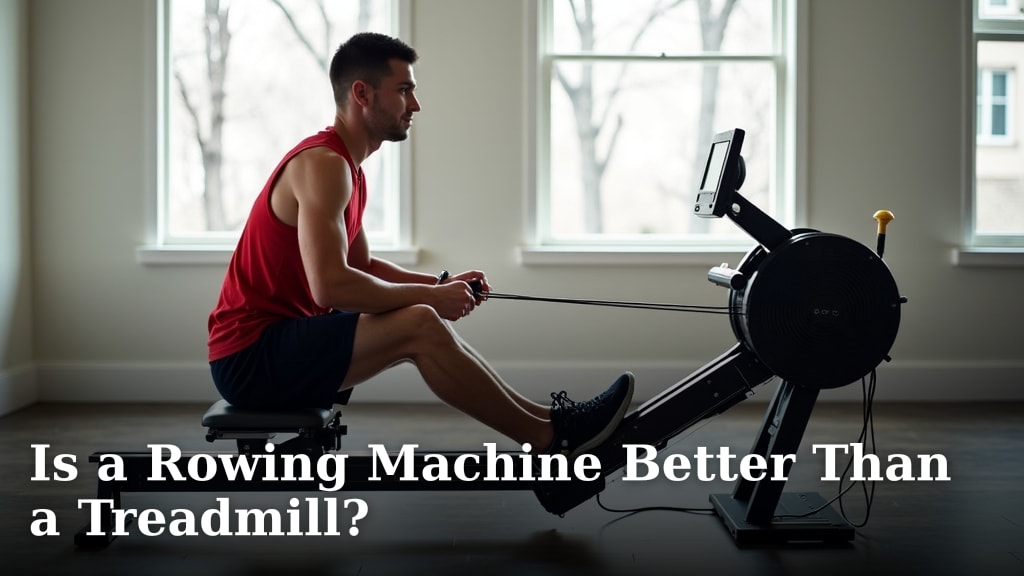
A rowing machine asks you to sit down and complete a coordinated stroke that uses your legs, core, back and arms. It takes a little more attention at the start, from foot placement to the order of the drive and recovery.
Once that pattern feels familiar, the session can feel purposeful and contained.
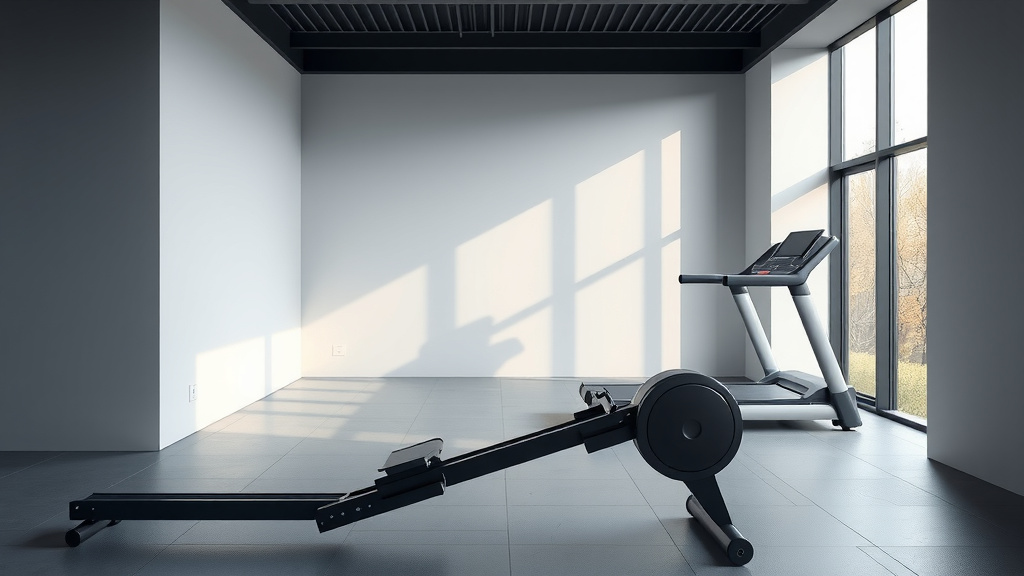
Space shapes the decision as much as exercise style. Walking pads are low and slim, so they often slide under furniture or sit against a wall between uses.
Rowers are longer, because the seat and rail need room to move, even when the machine itself can be stored upright or in a smaller footprint.
Effort also differs in a practical way. Walking is usually easier to keep conversational and steady, which helps when you want to move often without feeling worn out.
Rowing lets you add resistance and pace, so a shorter session can feel more demanding and more structured.
This comparison covers the main differences between desk walking and seated rowing. We checked the stated dimensions, resistance, speed, capacity, storage features and app connections for the 4 products below.
Use the details to picture your own room and routine rather than chasing a single headline feature. Think about where the machine will live, how you will get on and off it, and whether you prefer light movement through the day or a defined workout.
Those answers will point you toward the better fit.
 Best for incline desk walking
TRAILVIBER Walking Pad Treadmill 12% Auto Incline
 Best for quiet full-body sessions
Merach Q1S Magnetic Rowing Machine Indoor
Walking pad vs rowing machine: which is easier to use daily?
A walking pad is easier to add to a busy day, while a rowing machine is better for a planned workout. Walking requires less setup and lets you stay upright, but rowing gives each session a clearer start and finish.
You can step onto a walking pad for a short period and keep your hands free for light desk tasks. That makes it useful during calls, reading or television time, as long as the pace stays low enough for steady steps.
You can also stop quickly and return to the pad later without setting anything up again.
A rower needs a seat, foot placement and repeated strokes, so it works best when you can give the session your attention. You will want clear space around the rail, a stable position for your feet and enough room to move through the full stroke.
The setup is still simple, but it is more deliberate than stepping onto a flat belt.
That difference affects consistency. If your main goal is to move more often, the lower barrier of a walking pad may help.
Short walks can fit between other tasks, and the effort is easy to keep light while you learn what pace feels comfortable.
If you prefer a defined workout with changing resistance, a rower may hold your interest better. You can set a time frame, adjust the effort and watch the session build from the first stroke to the last.
That structure suits people who like a clear beginning, a clear end and a sense of progress within one session.
Which gives you more full-body movement?
A rowing machine provides more full-body movement than ordinary walking. Each stroke can involve the legs, core, back and arms, while a walking pad mainly supports lower-body movement.
Rowing still requires technique. You need to coordinate the drive, body position and recovery instead of pulling only with your arms.
Start at a manageable resistance and keep the motion controlled.
A walking pad can still support useful daily activity. Incline walking increases the challenge without requiring the seated stroke pattern of a rower.
For a closer look at the difference, read our guide to rowing machine vs walking. It compares the 2 workout styles by goal rather than treating one as best for everyone.
Which walking pad suits a movement break?
The TRAILVIBER Walking Pad Treadmill 12% Auto Incline suits walking breaks that need adjustable incline. It has 9 auto incline levels from 0% to 12%, a 4 mph maximum speed and a 450 lb maximum weight recommendation.
Its 48 x 21 x 6 in dimensions make it shorter than the 2 rowers here, although you still need clear space to step on and off safely. The 41 in deck is 16.5 in wide.
The 2.5 HP motor and 5-layer anti-slip belt are built around walking use. The double-deck structure and 4 silicone absorbers are also designed for a more cushioned walking surface.
The RGB LED shows speed, calories, time, distance and auto incline level. Bluetooth audio, FitYo connection and access to more than 100 coach-led courses add structure if you like guided sessions.
Which walking pad fits a small room?
The Vhorilix Walking Pad Treadmill for Home fits a small space when you want basic walking without incline. Its stated dimensions are 42.91 x 19.69 x 4.33 in, and it weighs 36.4 lb.
The Vhorilix has a 1 to 6 km/h speed range, which is about 0.6 to 3.7 mph. Its 38.5 x 94 cm walking area is narrower and shorter than the TRAILVIBER deck.
Its 2.5 HP motor, 5-layer anti-slip belt and silicone shock absorbers support straightforward indoor walking. The LED display shows speed, distance, time and calories burned.
This model has no stated incline feature. Choose it when portability and a slim profile matter more than hill-style walking.
How much space does each machine need?
Walking pads need less vertical space, while rowing machines need a longer clear area for the rail and seat. Measure the workout position, storage position and route into the room before choosing.
The TRAILVIBER measures 48 x 21 x 6 in. The Vhorilix measures 42.91 x 19.69 x 4.33 in, so both are low-profile machines that may fit under suitable furniture when stored.
The Merach Q1S measures 65 x 19.3 x 24.8 in and weighs 42 lb. Merach recommends a 1.6 x 5.7 ft use area and a 1.6 x 2.1 ft storage area.
The Sunny rower measures 64 x 19.3 x 27 in and has front transport wheels plus vertical storage. Its 45.7 in slide rail and 40.9 in slide-rail inseam provide room for leg extension.
Don't compare only the closed storage size. A rower needs room behind and in front of the seat during use, while a walking pad needs a safe step-on area and enough clearance around the belt.
Readers comparing a rower with a larger cardio machine may also want Which Is Better A Rowing Machine Or Treadmill?. The room layout can matter as much as the exercise type.
Which rower is better for a quiet home workout?
The Merach Q1S is the stronger fit when dual rails, app data and a 350 lb capacity matter. Its magnetic resistance system is designed for quiet rowing, and the dual slide rail adds a wider support structure.
The Q1S measures 65 x 19.3 x 24.8 in and supports a maximum weight recommendation of 350 lb. Its LCD and app connection can track distance, time, calories burned, speed, heart rate, cadence and other workout data.
The Merach app includes courses and programmed exercises. The rower is also compatible with KINOMAP, and its 16 tension levels give you room to adjust the effort.
The Q1S includes the rowing machine, parts kit and user manual. It requires 2 AAA batteries, which are included.
Phones and tablets are not included, so plan to use your own device if you want the app display.
Which rower is better for guided training and storage?
The Sunny Health & Fitness Smart Magnetic Rower suits guided training and upright storage. It has a Bluetooth connection for SunnyFit, 16 magnetic resistance levels and front transport wheels.
The Sunny rower measures 64 x 19.3 x 27 in and supports up to 300 lb. Its dual-rail design uses a 45.7 in slide rail and a 40.9 in slide-rail inseam.
Its LCD monitor displays time, distance, estimated calories, stroke count, total strokes, strokes per minute and 500-meter split. A built-in device holder keeps a phone or tablet positioned for viewing.
The SunnyFit connection includes trainer-led workouts, scenic routes, personalized AI plans, progress tracking and challenges without a subscription. The rower also has a padded seat, foam-covered handlebar and adjustable foot straps.
The difference between these 2 rowers is not just the brand. The Merach gives you a higher 350 lb capacity and tracks heart rate and cadence through the app, while the Sunny emphasizes guided training and vertical storage.
Which machine is better for beginners?
A walking pad is usually the simpler starting point, while a rower offers more exercise variety after you learn the stroke. Begin with a pace or resistance that lets you stay controlled and stop before your form breaks down.
For walking, keep the speed low at first and use the handrail or desk setup only as intended by the equipment instructions. Avoid trying to work at a speed that makes your steps uncertain.
For rowing, learn the sequence before increasing resistance. Push with the legs, keep the body controlled and finish the stroke with the arms.
Return smoothly rather than rushing the recovery.
People with ongoing pain, balance concerns or a health condition should ask a qualified clinician which type of exercise is suitable before starting.
If you're still unsure about the rower category, Is Rowing Machine Good? explains what rowing can add to a home routine and where it may not fit.
Walking pad vs rowing machine for calorie-focused routines
Neither machine guarantees a specific calorie result because effort, duration and body size change the outcome. A walking pad makes longer, lighter sessions easy to repeat, while a rower can make shorter sessions more demanding.
The TRAILVIBER measures calories, speed, time, distance and incline. The Vhorilix displays speed, distance, time and calories burned.
The Merach tracks calories burned along with distance, speed, stroke count and time. Its app can also display heart rate and cadence.
The Sunny monitor tracks estimated calories, stroke data, distance and split information.
Use these displays to compare your own sessions rather than treating the number as a promise. A consistent routine with a manageable effort is more useful than choosing a machine based on one displayed figure.
How should you choose between walking and rowing?
Pick a walking pad if you want frequent movement, desk walking or a low-profile machine. Pick a rowing machine if you want seated full-body exercise, adjustable resistance and a planned workout.
Choose the TRAILVIBER if incline walking and a 450 lb capacity are your priorities. Choose the Vhorilix if you need a slimmer, lighter walking pad without a stated incline.
Choose the Merach Q1S if its 350 lb capacity, dual rail and app workout data fit your needs. Choose the Sunny if SunnyFit guidance, vertical storage and its 16 resistance levels are more useful.
For a broader decision about whether rowing belongs in your home, see Should I Get A Rowing Machine?. If your comparison is really between rowing and a treadmill, Is A Rowing Machine Better Than A Treadmill? covers that choice next.
Final choice: walking pad or rowing machine?
Choose the walking pad for easy daily steps and the rowing machine for more complete seated exercise. The best match is the one you can set up safely and use often.
That final test matters more than it first sounds. A machine that stays in the way, needs too much room or feels awkward to start will not help, even if the specifications look strong.
Measure the space where you will use it and where you will store it, then check that you can get on and off without crowding.
Select the TRAILVIBER for incline and capacity, the Vhorilix for compact walking, the Merach for quiet dual-rail rowing or the Sunny for guided workouts and upright storage. Each option answers a different need, so match the features to the routine you already have.
If movement breaks are the goal, a walking pad keeps the barrier low. You can walk while you work, watch something or take a short break, then stop without a long wind down.
Look at belt size, speed range and storage height, and make sure the deck feels comfortable for the pace you plan to use.
If a fuller seated workout is the goal, a rower gives you more to work with in each session. Check the rail length, resistance adjustment and weight limit, and confirm that you have room for the seat to travel.
Quiet magnetic resistance also matters in a shared home, especially for early or late sessions.
Before you buy, decide whether you want movement breaks or focused sessions. That one answer will narrow the choice quickly and help you avoid paying for features you will not use.
Choose the machine you can set up safely, store neatly and return to without thinking twice.
Frequently asked questions
Is a walking pad better than a rowing machine?
A walking pad is better for low-barrier walking while you work or watch something, while a rowing machine is better for seated exercise that uses the legs, core, back and arms together. Choose the walking pad for frequent light movement and the rower for shorter, more focused sessions.
Which takes up less space, a walking pad or rowing machine?
A walking pad usually takes less height and can slide under furniture, while a rowing machine needs a longer workout area. The Vhorilix measures 42.91 x 19.69 x 4.33 inches, while the Merach Q1S measures 65 x 19.3 x 24.8 inches before storage.
Can you use a walking pad while working?
Yes, a walking pad is designed for desk-friendly walking, but keep your speed low enough to work safely and follow the equipment manual. The TRAILVIBER model reaches 4 mph and includes a remote control, while the Vhorilix model uses a remote control for speed adjustment.
Does rowing provide a fuller workout than walking?
Rowing combines leg drive, core control and arm movement in one seated exercise, so it involves more major body areas than ordinary walking. That doesn't make it better for every routine.
Walking is easier to add for short movement breaks and may be more sustainable for frequent daily use.