How Loud Is a Water Rowing Machine in Decibels?
A water rowing machine's noise varies with stroke pace, room acoustics, and the machine, so there is no single decibel level for every setup. Expect water movement and moving-part sounds, and check a specific model's noise information.
On this page (8 sections)
- How loud is a water rowing machine in decibels?
- What sounds should you expect during a rowing stroke?
- How do room and floor conditions change what you hear?
- Does rowing pace change the noise level?
- Which machines help you compare resistance sounds?
- Can maintenance reduce unwanted rowing noise?
- Where should you place a water rower at home?
- How should you judge water rower noise before choosing a location?
A water rowing machine's noise in decibels varies with stroke pace, room acoustics, and the machine, so there is no single level that fits every setup. Expect water movement along with seat and handle sounds, then check the specific model's noise information.
Decibels can help compare sounds only when measurement conditions are alike. Distance from the machine, room surfaces, stroke pace, and background noise can all change a reading.
How loud is a water rowing machine in decibels?
A water rower does not have one universal decibel level. Look for a model-specific measurement and note the distance, pace, and room conditions used.
A number without those details can mislead. A reading taken close to a machine in a quiet room won't match what you hear across a furnished room with a fan or TV running.
The sound also has a character that a decibel number doesn't capture. Water resistance makes a rolling or swishing sound, while the moving seat and returning handle can add contact noise.
For a broader comparison of machine sounds and measurement context, read How Loud Is A Rowing Machine?. If you're choosing by sound first, see our Best Rowing Machine With Silent Operation guide.
What sounds should you expect during a rowing stroke?
Expect water movement, a moving seat, and the handle and chain or strap returning, with the mix changing by machine. The water's swish is often the sound people notice most on a water rower.
A smooth, steady stroke can sound different from a rushed one. Rapid reversals, hard seat contact, or a loose part can add sharper noise that stands out from the water sound.
Pay attention to when a noise happens. A sound that repeats at the same point in each stroke may come from a moving part, while a changing swish often follows the pace and force of your rowing.
The Best Water Rowing Machine guide can help you compare water-based options and their stated features. Use the manufacturer's instructions to understand fill levels and care for the machine you choose.
How do room and floor conditions change what you hear?
Hard surfaces can make a room sound livelier, while soft furnishings absorb some reflections. The same rower may seem louder in a bare room than in one with rugs, curtains, and upholstered furniture.
Sound reaching another room depends on more than the rower's sound level. Floor construction, distance, doors, and shared walls affect how much noise carries.
Set the rower on a stable, level surface and listen from the next room at the pace you expect to use. If the machine shifts or rocks, check its feet and setup before adding a mat.
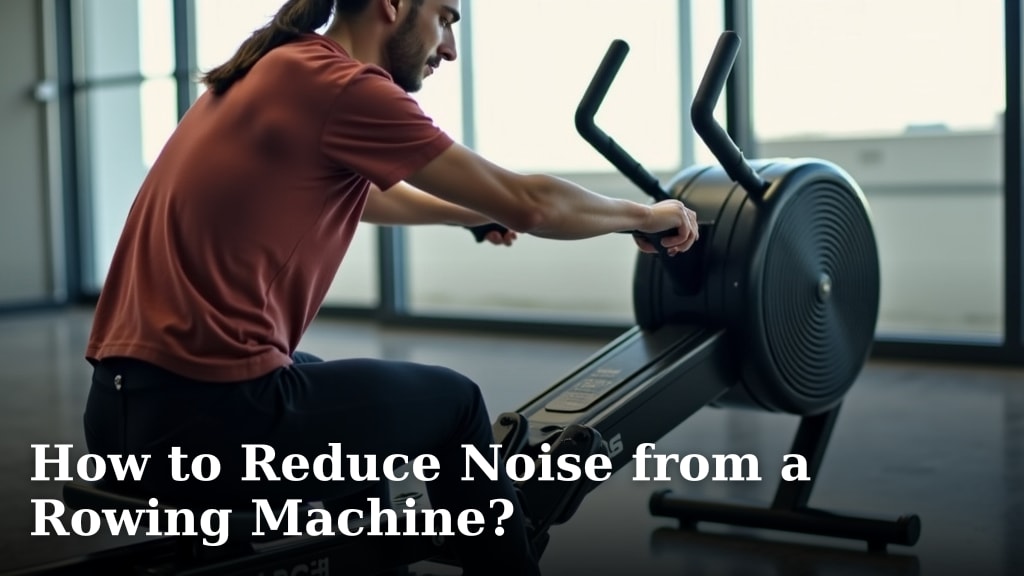
A mat may help limit movement and floor contact, but it won't make water movement disappear. For ways to address both room noise and vibration, see How to Reduce Noise from a Rowing Machine?.
Does rowing pace change the noise level?
Faster or harder strokes can make a rower sound more noticeable, because the water moves more forcefully and moving parts cycle more often. Your workout pace is part of the noise decision.
Try the rower at the pace you plan to use, not just a few gentle strokes. If you share walls or floors, listen from those spaces as well as beside the machine.
Keep the return controlled and avoid letting the seat or handle snap back. That can reduce sudden clacks that draw more attention than steady water sounds.
For technique that supports a controlled stroke, read How To Use Water Rowing Machine?. Follow the machine's manual for setup and movement guidance.
Can a decibel app give a useful reading?
A phone app can give a rough comparison in the same room, but don't treat it as a calibrated measurement. Hold the phone in the same position for each reading and keep the rowing pace consistent.
Record the background level before starting, then compare it with the machine running. Avoid comparing results from different phones, apps, distances, or rooms as if they were exact.
For a home decision, your own listening check often matters more than a precise number. Ask someone in the next room whether the sound interrupts conversation or sleep.
Which machines help you compare resistance sounds?
Compare the resistance mechanism and the type of sound it creates, rather than relying on a generic quiet claim. Hydraulic and air models provide useful contrast when you're deciding what sound suits your home.
The Stamina Hydraulic Rowing Machine uses adjustable hydraulic cylinder resistance and full-motion rowing arms. It folds for storage, which may suit a room that needs to return to another use after a workout.
The Concept2 RowErg uses adjustable air resistance and a flywheel designed to minimize noise while providing a smooth feel. Its sound comes from airflow rather than water movement.
For more detail on air resistance, read How Loud Is an Air Rowing Machine?. A different sound character doesn't automatically mean a lower decibel level in your room.
Can maintenance reduce unwanted rowing noise?
Maintenance can help address new rattles or friction, but it won't remove the normal sound of resistance. Start by checking assembly, seat movement, feet, and the maker's care instructions.
For a model-specific example, see the DMASUN setup instructions.
Stop and inspect the machine if a new squeak, scrape, or rattle appears. Don't lubricate a rail, cylinder, or other part unless the manual calls for it and identifies a suitable lubricant.
Petrol-Gel Food Grade Equipment Lubricant NSF is a mineral oil gel described for machinery parts in contact with food products. The product data also describes use on gym equipment, but check the rower's manual before applying any lubricant.
This lubricant isn't a soundproofing product, and applying it to the wrong surface can cause problems. Confirm compatibility and application guidance before using it.
Where should you place a water rower at home?
Place it on a stable floor with enough room to row, away from shared walls when possible. Test the location at a normal workout pace and listen from adjacent rooms.
Avoid placing a rower where it blocks a doorway or sits close to fragile items. Follow the machine's space and placement instructions, and leave room for safe entry and exit.
For an assembly walkthrough, see Yosuda rowing machine assembly instructions.
If the floor transmits vibration, a suitable exercise mat may help reduce direct contact and prevent shifting. Check that the rower's feet sit flat on it and that the machine remains stable.
How should you judge water rower noise before choosing a location?
For water rowing machine noise in decibels, use model-specific figures as a comparison, then make a listening check in your own space. A published number matters most when the pace, distance, and measurement conditions are clear.
Choose a water rower if its swishing sound fits your room and workout schedule. If you prefer another sound character, compare hydraulic resistance or the air rower decibel guide, then choose a place where vibration and sound won't disrupt others.
Frequently asked questions
How many decibels is a water rowing machine?
There is no single decibel figure for every water rower. Noise changes with stroke pace, room surfaces, distance, and the machine, so use a model-specific measurement only when its conditions are clear.
The sound can include water movement and contact from the seat or handle.
Is a water rower quieter than an air rower?
A water rower and an air rower make different sounds, so one may feel less distracting even if a decibel figure is similar. Water resistance makes a swishing sound, while an air rower's flywheel produces airflow noise.
Room acoustics, pace, and machine condition affect both.
Can neighbors hear a water rowing machine through the floor?
They might hear vibration or impact through a floor, especially if the rower rocks or its feet sit on a hard surface. Water movement is airborne sound.
A stable setup, a suitable mat, and a location away from shared walls can reduce disturbance, but won't guarantee silence.
Does adding water make a water rower louder?
Water level can affect resistance and sound, but the change depends on the machine's design and instructions. Follow the manual's fill guidance and don't change the water level to alter noise without checking it.
Your pace and the room also shape what you hear.