Water Rowing Machine vs Air: Which Is Better? (November 2026)
Choose a water rower for a smoother, quieter-feeling stroke and an air rower for fast, responsive resistance. Your room, workout style and storage needs decide which resistance type fits better.
On this page (8 sections)
- Water rowing machine vs air: which feels better?
- Which water rower suits your home?
- Who should choose an air rowing machine?
- Which rower is easier to store?
- Is water or air resistance better for intervals?
- What care does each resistance type need?
- Which rower has the better monitor?
- What should you choose: a water rower or air rower?
Choose a water rower for a smoother, quieter-feeling stroke and an air rower for quick, responsive resistance. In this water rowing machine vs air comparison, the best choice depends on your workout pace, room noise, storage space and user capacity.
Water resistance uses paddles moving through a tank. Air resistance uses a fan that spins faster when you pull harder, so both systems respond to your effort but feel different during a session.
We compared the Merach R280, YOSUDA water rower and Stamina ATS air rower by resistance type, frame design, storage, monitor features and stated capacity.
That comparison matters because resistance shapes the whole workout, not just the effort level. A steady session can feel calm and rhythmic on one type, while short bursts can feel sharper and more direct on the other.
It also shapes where the machine can live in your home. A foldable frame helps after a workout, but open length, folded position and the path to storage still need to fit your room.
Noise is another practical difference. Water movement tends to sound softer, while a fan can become more noticeable as speed rises.
That can matter if you exercise early, late or near other people.
Capacity matters in a shared household too. The two water models here state a 400 lb capacity, while the air model states a lower limit.
Check the stated limit against every intended user before you decide.
Monitor features may also affect daily use. Some people want data sent to a phone or tablet, while others prefer simple on-machine numbers.
The right choice depends on how you like to track sessions.
Form and comfort should not be overlooked either. Seat design, foot straps and a smooth rail can make a longer session easier to complete with good technique.
Use this guide to match resistance feel to your training style. Think about pace, sound, storage and capacity first, then look at the specific models in more detail.

 Best for immersive water rowing
YOSUDA Water Rowing Machine Foldable for Home
Water rowing machine vs air: which feels better?
Water resistance usually feels more like pulling through a steady fluid, while air resistance responds quickly to stroke speed. Your preferred workout pace matters more than the resistance label alone.
A water rower builds resistance as the paddles move through the tank. Pull harder and the tank action changes with your stroke, giving you a resistance feel linked to how fast you row.
An air rower uses a fan. The Stamina ATS has dynamic air resistance, so stronger pulls move more air and increase the effort.
Slowing your stroke reduces the fan response.
Water rowers can add an audible water sound to each stroke. Air rowers can produce a rising fan sound, especially during fast intervals.
If you share walls or exercise near other people, listen to both types before deciding when possible.
For a wider look at all 3 common systems, read our guide to rowing machine air vs magnetic vs water.
Water rowing machine vs air for beginners
Beginners can use either resistance type because both respond to the effort you put into each stroke. Start with a controlled pace, learn the correct sequence and increase intensity gradually.
A water rower may feel natural to people who like a steady pull and the sound of moving water. An air rower may suit people who want the machine to react immediately when they speed up.
Neither machine replaces good rowing form. Push with your legs first, swing the body slightly back, then draw the handle toward your body.
Reverse that sequence smoothly on the recovery.
Which water rower suits your home?
The Merach R280 and YOSUDA both suit home users who want foldable water resistance and a 400 lb capacity. The Merach is shorter, while the YOSUDA adds a large 5.8 gal tank and app syncing.
The Merach R280 measures 60 x 18 x 30 inches and has a foldable solid wood frame. It folds 180° and has bottom wheels for movement and storage.
Merach gives the R280 a 400 lb capacity. Its water tank uses a sealing design described as leak-proof, and its monitor tracks distance, time, calories, speed and stroke count.
The monitor also has Bluetooth for wireless syncing to a smartphone or tablet. The machine arrives 98% pre-assembled, and Merach describes setup as taking about 10 minutes.
The YOSUDA measures 73.6 x 16.14 x 14.96 inches and uses a 5.8 gal, or 22 L, water tank. Its solid beech wood frame folds 180° and rolls on built-in wheels.
YOSUDA gives this rower a 400 lb capacity and says it supports users up to 6 ft 6 in. Its monitor tracks distance, time, strokes and calories, with syncing for Kinomap, Apple Health and Google Fit.
The YOSUDA arrives 98% pre-assembled and includes a water maintenance kit. Its longer frame may suit taller users, but it needs more floor length when open.
If you are still weighing the tank experience against other resistance systems, our guide answers Is Water Rowing Machine Better?.
Who should choose an air rowing machine?
Choose an air rower if you want resistance that rises directly with your pull speed and supports interval-style training. The Stamina ATS has a foldable carbon steel frame and a 250 lb capacity.
The Stamina ATS measures 18 x 77 x 22 inches and uses dynamic air resistance. Its carbon steel frame folds for storage, and the built-in wheel helps with movement.
The padded sliding seat is designed for comfort during rowing. Adjustable foot straps, anti-slip details and the sliding seat support a basic home workout setup.
Its LCD monitor tracks speed, distance, time and calories burned. The machine also includes access to the müüv smart audio coaching app.
The Stamina ATS has a 250 lb maximum weight recommendation, which is lower than the 400 lb capacity of both water models here. Check that number before choosing it for a shared household.
Its open fan design also means workout noise can rise as your pace increases. That can be useful feedback during intervals, but it may matter in an apartment, bedroom or shared living space.
Our Best Air Rowing Machine guide covers the air-resistance choice in more detail.
Which rower is easier to store?
Choose the shorter Merach R280 for a tighter floor plan, or choose either foldable water model when upright storage matters. The Stamina ATS folds too, but its open length is 77 inches.
The Merach is the shortest of these 3 machines at 60 inches deep. Its 180° folding design and bottom wheels can make it easier to move after a workout.
The YOSUDA is 73.6 inches long and 16.14 inches wide. It also folds 180° and rolls on built-in wheels, but measure the storage location because its open frame needs more length.
The Stamina ATS is 77 inches long and 18 inches deep. Its foldable frame helps reduce the space needed after exercise, but you still need a safe place to stand or lean the folded machine.
Measure doorways, corners and the route to storage before assembly. Keep the rower where the seat rail and handle can move without hitting furniture.
Is water or air resistance better for intervals?
Air resistance gives the clearest immediate response for fast intervals, while water resistance can suit steady work with a changing stroke feel. Both can support short hard efforts and longer moderate sessions.
On the Stamina ATS, pulling harder spins the fan faster. That makes the resistance response easy to connect with stroke speed during sprints.
A water rower changes with how strongly and quickly you move the handle. The sound of the tank can also give you a simple rhythm cue, though it doesn't replace a pace display.
For intervals, decide whether you want fast fan feedback or a water-based pull. Then check the monitor metrics you plan to use, such as distance, time, speed or stroke count.
Rowing is a form of vigorous physical activity when the effort is high. The CDC's adult physical activity guidance can help you plan activity across the week.
For steady work, water resistance can offer a smooth pull that rises and falls with each stroke. That feel may help you settle into a repeatable rhythm without sudden jumps in effort.
For fast intervals, the fan response on an air rower can make each hard pull feel more demanding right away. That direct link between speed and effort can be useful when you want short efforts to feel sharply different from recovery periods.
Consider how you will pace the work between efforts as well. A longer recovery row still needs enough response to keep you engaged, but it should not distract from breathing and form.
Set up the monitor before you start so you can see time, distance or stroke count at a glance. Clear numbers make it easier to repeat an interval structure and compare one session with the next.
Keep comfort in mind during harder work. A padded sliding seat, secure foot straps and a clear rail can help you stay focused on the stroke when pace increases.
Leave enough space around the machine for full movement at speed. Crowded surroundings can make fast intervals feel rushed, even when the machine itself is working well.
What care does each resistance type need?
A water rower needs tank care, while an air rower needs attention to the fan area, rail and moving parts. Follow the exact care steps for the model you choose.
Keep the water tank clean and check the seals around it. Use only the treatment or maintenance method approved for that rower, and inspect for changes before storing it upright.
The Merach includes water blue pills and an electric water pump among its included components. The YOSUDA includes a water maintenance kit.
Air resistance avoids a tank, but dust can collect around the fan area. Wipe the machine after sweaty workouts, keep the rail clear and check the seat movement, handle and foot straps.
For either type, use a stable surface and leave enough room to mount and dismount. Stop using the rower if a strap, seat, handle or frame part becomes damaged, then follow the brand's support instructions.
Which rower has the better monitor?
The Merach and YOSUDA offer broader connection options, while the Stamina ATS keeps its monitor focused on core workout metrics. Choose based on whether you want app syncing or simple on-machine tracking.
The Merach monitor measures calories, distance, speed, stroke count and time. Bluetooth lets it sync workout data to a smartphone or tablet.
The YOSUDA monitor measures calories, distance, speed, stroke count and time. Its stated connections include Kinomap, Apple Health and Google Fit.
The Stamina ATS monitor measures calories, distance, speed and time. It also works with the müüv smart audio coaching app, which adds guided audio workouts and other coaching features.
Monitor data can help you compare sessions, but it doesn't make a poor stroke efficient. Learn the movement first, then use the display to manage pace and duration.
For everyday tracking, a simple display can be easier to read mid-workout. You can glance at time or distance without breaking rhythm, which helps during longer steady sessions.
Stroke count adds useful detail when you want to improve technique. It can show whether pace changed because you rowed faster or because you took more strokes in the same time.
Speed gives another clue about effort during shorter efforts. Watching it can help you keep fast intervals consistent rather than starting too hard and fading early.
Bluetooth syncing suits people who like reviewing data after exercise. Sending sessions to a phone or tablet can make progress easier to follow over several weeks.
App connections can add structure for some users. Guided audio coaching may help with pacing and motivation, while health app syncing can keep rowing data alongside other activity.
Check battery needs before you rely on a monitor daily. Some models use AAA or AA batteries, so keep spares handy and learn how the display wakes and resets.
Position matters too. The screen should be readable from your rowing position without leaning or twisting.
A clear view reduces distraction while you focus on legs, body and arms in sequence.
Keep the monitor clean and dry, especially near a water tank. Wipe the display gently and avoid letting sweat pool on buttons or the housing after workouts.
Decide which metrics you will actually use, then set up each session around them. Time and distance suit general fitness, while stroke count and speed suit more structured training.
What should you choose: a water rower or air rower?
Pick the Merach R280 if you want the shortest water rower here, a 400 lb capacity and Bluetooth data syncing. Pick the YOSUDA if you want a 5.8 gal tank, a longer beech wood frame and broader app connections.
Pick the Stamina ATS if you prefer dynamic air resistance and a padded sliding seat. Its 250 lb capacity is lower, so confirm that it fits every intended user.
The best water rowing machine vs air choice is the one that matches your room and training habits. Choose water for the tank feel and quieter-feeling sound profile, or air for direct fan response during faster work.
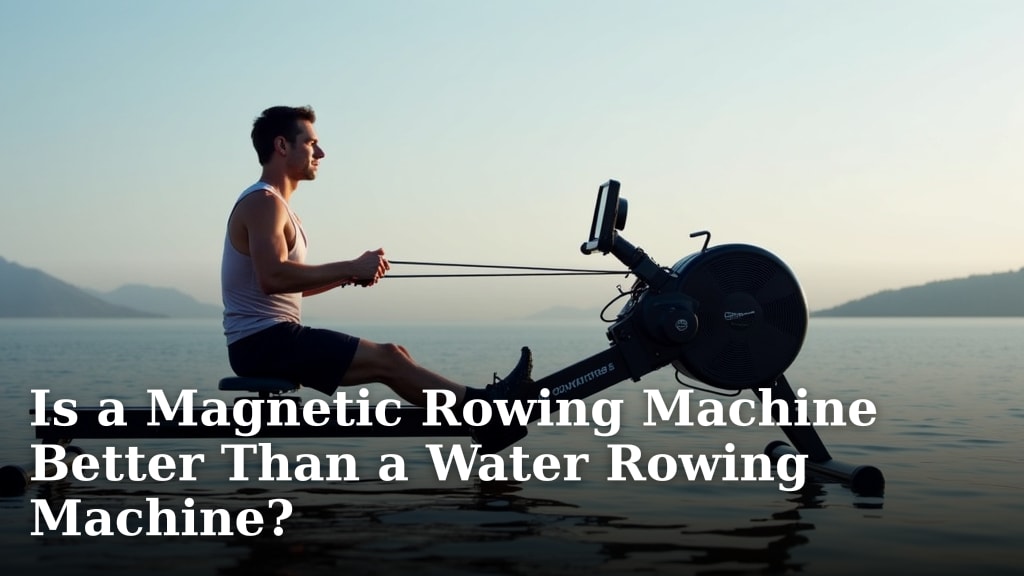
For another comparison, read Which Is Better Air Or Magnetic Rowing Machine? if you are considering a third resistance type. You can also compare the water and magnetic options in Is a Magnetic Rowing Machine Better Than a Water Rowing Machine?.
Frequently asked questions
Is a water rowing machine better than an air rower?
A water rowing machine is better if you prefer a smooth stroke with water sound and a resistance feel that changes with your pace. An air rower is better for fast intervals and hard pulls that create more resistance as the fan moves faster.
Room noise and storage also matter.
Which is quieter, a water rower or an air rower?
A water rower usually creates a softer water sound, while an air rower creates fan noise that rises with workout intensity. Neither is silent.
Choose water resistance for a calmer home environment, but leave room around the machine and follow its care instructions.
Do water rowers need more maintenance than air rowers?
Water rowers need tank care and should be checked for leaks, seals and water condition. Air rowers avoid a water tank but still need cleaning, rail care and checks of the seat, handle and foot straps.
The exact routine depends on the model manual.
Can a water or air rower fold for storage?
Both types can fold when the model includes a folding frame. The Merach R280 and YOSUDA water rower fold 180°, while the Stamina ATS air rower also folds.
Measure the folded area and make sure you can move the machine safely before choosing.