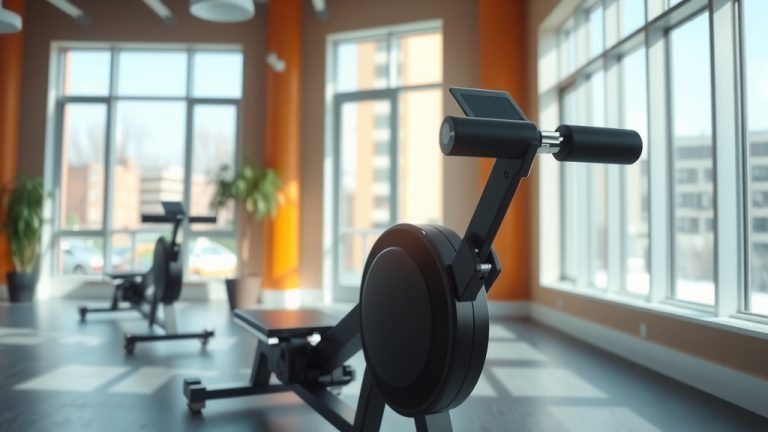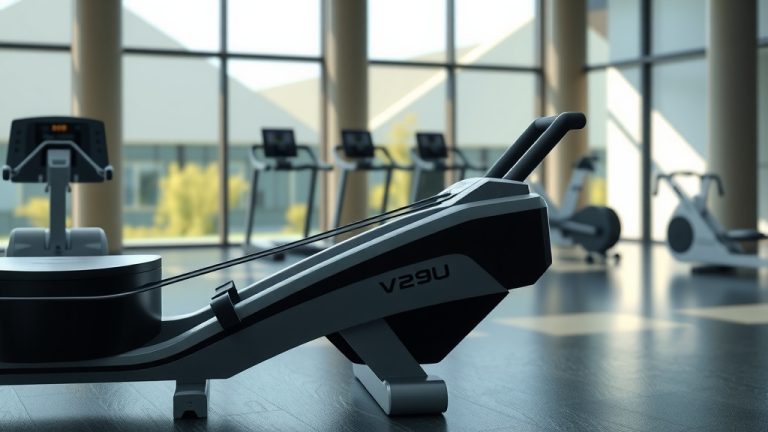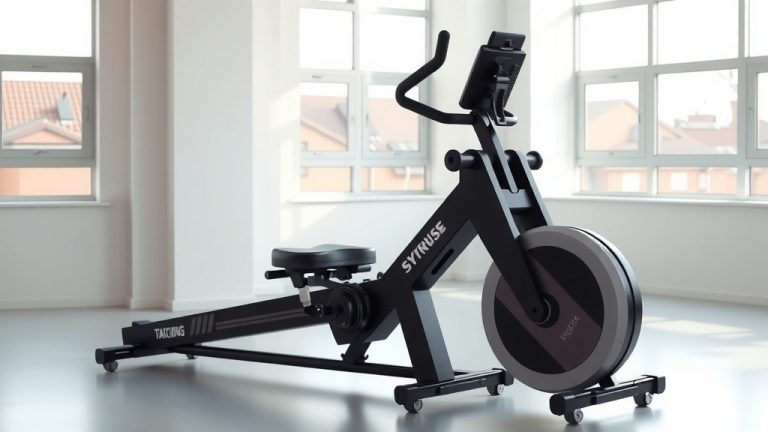
What Burns More Calories Rowing Machine Or Treadmill?
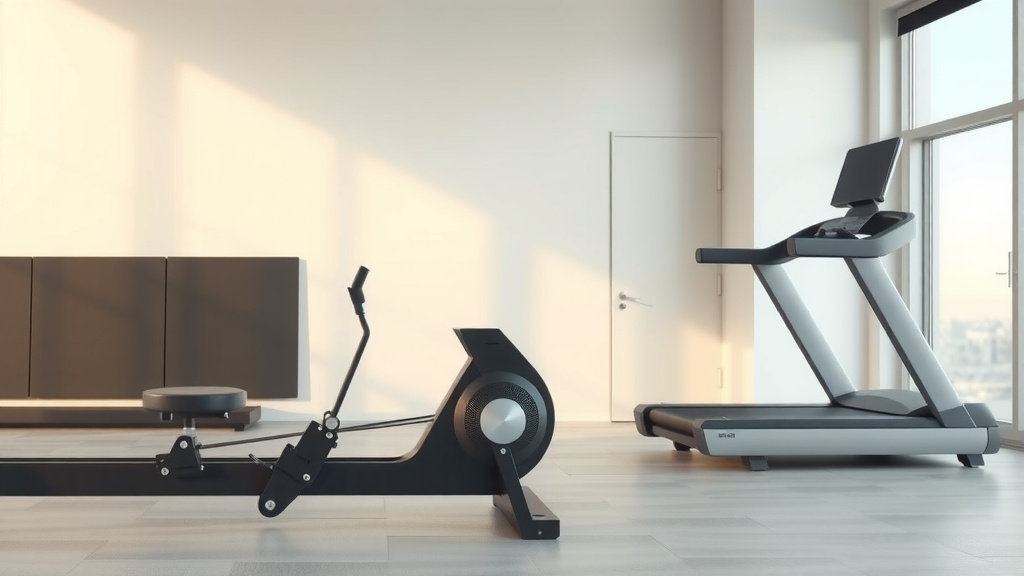
A rowing machine generally burns more calories than a treadmill for the same perceived effort and duration, especially when engaging your full body. This is because rowing actively uses about 85% of your muscles, including upper body, core, and lower body.
While a treadmill primarily focuses on your lower body and cardiovascular system, the comprehensive muscle engagement in rowing leads to a higher energy expenditure. Both are excellent for cardio, but rowing offers a significant metabolic advantage.
Here’s a quick summary of what we’ll cover, giving you the key facts upfront:
- Rowing machines typically offer a higher calorie burn due to full-body muscle activation.
- Treadmills are fantastic for cardiovascular fitness and specific running goals.
- Your individual effort, workout duration, and personal metabolism play a huge role.
- The best machine for you depends on your fitness goals and preferences.
- Both machines are effective for weight loss and health, just in different ways.
What Burns More Calories Rowing Machine Or Treadmill?
When comparing calorie burn, the rowing machine often comes out on top because it’s a full-body workout. It challenges your muscles from your legs to your back, arms, and core, leading to a greater energy output per minute than most treadmill workouts.
Understanding Calorie Burn Basics
You know that calories are simply a measure of energy, right? Your body burns them to fuel every movement. The more muscles you use, the harder they work, and the longer you exercise, the more calories you’ll incinerate.
Factors like your weight, age, gender, and fitness level also affect your individual calorie burn. It’s not just about the machine, but how you use it and who you are.
The Power of Full-Body Engagement
Think of it this way: a rowing stroke engages your legs for the powerful drive, your core for stability, and your back and arms for the pull. That’s a lot of muscle groups working together! This synergy means your body needs more fuel, translating to a higher caloric expenditure (American Council on Exercise).
Calorie Burn Breakdown: Rowing Machine
Research suggests that a 150-pound person can burn anywhere from 200 to 300 calories in 30 minutes on a rowing machine, depending on intensity. A more intense session might even push those numbers higher.
The beauty of rowing is its efficiency. You get a great cardio workout while also building strength and endurance across your entire body. It’s a smart way to train.
Rowing: More Than Just Cardio
You’re not just moving blood; you’re moving weight. Every stroke is a combination of a leg press, a hinge, and a pull. This hybrid nature makes rowing exceptionally good for metabolic conditioning.
Many experts point out that the continuous, rhythmic motion also makes it an excellent choice for a low-impact workout, saving your joints from unnecessary stress (Harvard Health Publishing).
Calorie Burn Breakdown: Treadmill
For a 150-pound person, a 30-minute treadmill session can burn around 150 to 250 calories, depending on if you’re walking, jogging, or running. Incline training can push this higher.
Treadmills are superstars for cardiovascular health, boosting your heart and lung capacity. They are also incredibly accessible, allowing you to train for specific events like races or simply enjoy a good run.
Treadmill: The Running Advantage
If your goal is to train for a marathon or improve your running speed, a treadmill is your ideal companion. It mimics outdoor running conditions in a controlled environment. You can easily adjust speed and incline to target specific fitness zones.
While primarily lower body, running still demands some core stability and arm engagement, though not to the same extent as rowing. It’s about focused, repetitive motion.
Comparing the Intensity and Impact
It’s not just about the numbers; it’s about how your body feels. Both machines can offer high-intensity workouts, but they achieve it differently. Rowing allows for a powerful burst of energy with each stroke, while treadmills offer sustained, continuous effort.
One key difference is impact. Running on a treadmill can be high-impact, potentially stressing your joints. Rowing, by contrast, is a low-impact exercise, making it kinder to your knees and ankles.
Which One Is Right For You? A Practical Checklist
Deciding between a rowing machine and a treadmill boils down to your personal goals and physical needs. Ask yourself these questions:
- Do you want a full-body workout or primarily lower body?
- Are you looking for a low-impact option to protect your joints?
- Do you enjoy the rhythmic motion of rowing or the feeling of running?
- Is building muscle and strength a priority alongside cardio?
- Do you have specific event training goals, like a race?
Your answers will help you narrow down the best choice for your fitness journey. We found that most people benefit from considering their long-term adherence and enjoyment.
Making Your Choice: Key Considerations
Let’s look at a quick comparison to help you weigh your options. Think about what truly matters for your routine:
| Feature | Rowing Machine | Treadmill |
|---|---|---|
| Primary Muscle Groups | Legs, Core, Back, Arms (Full Body) | Legs, Glutes (Lower Body Focus) |
| Calorie Burn Potential | High (due to full-body work) | Moderate to High (depends on speed/incline) |
| Impact on Joints | Low Impact | High Impact (running) to Low Impact (walking) |
| Strength Building | Significant (legs, back, core) | Minimal (primarily endurance) |
| Cardiovascular Benefit | Excellent | Excellent |
Maximizing Your Calorie Burn on Any Machine
No matter which machine you choose, your effort level makes a big difference. To truly torch calories, you need to challenge yourself. Don’t just go through the motions; engage your body and mind.
Tips for Optimal Rowing Machine Burn
- Focus on proper form to maximize muscle engagement.
- Incorporate interval training: periods of intense rowing followed by active recovery.
- Increase your stroke rate and resistance gradually.
- Push off strongly with your legs, and remember the “legs, core, arms; arms, core, legs” sequence.
Tips for Optimal Treadmill Burn
- Vary your speed and incline for high-intensity interval training (HIIT).
- Challenge yourself with longer runs at a steady, brisk pace.
- Consider incorporating walking lunges or dynamic stretches during recovery periods.
- Maintain good posture and an efficient running stride.
The Importance of Consistency
Ultimately, the machine you use consistently will be the one that delivers the best results. A workout you enjoy doing regularly will always outweigh a “better” workout you dread. Find what motivates you to keep moving forward.
Many experts highlight that consistency, alongside proper nutrition, is the real secret sauce for sustainable weight loss and fitness improvements (Mayo Clinic).
Conclusion
So, what burns more calories, a rowing machine or a treadmill? Generally, a rowing machine has the edge due to its full-body engagement, leading to a higher metabolic demand. However, both are fantastic tools for improving your fitness, burning calories, and supporting your health.
Your ideal choice truly hinges on your personal goals, preferences, and what feels best for your body. Whether you’re pulling hard on the rower or pounding the pavement on the treadmill, remember that the most effective exercise is the one you’ll stick with. Happy sweating!
Can I build muscle with a rowing machine?
Yes, absolutely! A rowing machine is excellent for building functional strength and muscle endurance across a wide range of muscle groups, including your legs (quads, hamstrings, glutes), core, back, and arms. It’s not like lifting heavy weights, but it certainly contributes to muscle development and toning.
Is a treadmill better for my heart health?
Both treadmills and rowing machines offer superb cardiovascular benefits. They effectively raise your heart rate and improve lung capacity. For specific heart health improvements, consistency and intensity are more important than the specific machine. The CDC recommends regular moderate-to-vigorous aerobic activity, which both machines provide.
What if I have joint pain? Which machine is safer?
If you experience joint pain, a rowing machine is generally considered a safer, low-impact option. The seated position and smooth, gliding motion put minimal stress on your knees, hips, and ankles. While walking on a treadmill is also low-impact, running can be high-impact. Always listen to your body and consult a professional if pain persists.
Can I lose weight just by using one of these machines?
You can certainly contribute to weight loss by regularly using either a rowing machine or a treadmill, as they help burn calories. However, sustainable weight loss is most effective when combined with a balanced diet and a healthy lifestyle. Exercise creates a calorie deficit, but nutrition plays a major role in reaching your goals.
How often should I use a rowing machine or treadmill?
For general health and fitness, aiming for at least 150 minutes of moderate-intensity exercise or 75 minutes of vigorous-intensity exercise per week is a common guideline (NIH). This could mean 30 minutes, five times a week. Listen to your body, include rest days, and gradually increase your workout duration or intensity.