What Is the Best Rowing Machine for Small Apartments?
On this page (3 sections)
For small apartments, the best rowing machine is often a foldable magnetic or air rower due to its compact storage and effective workout. These models offer a great balance of space-saving design and smooth, consistent resistance for your fitness routine.
Living in a smaller space doesn’t mean you have to give up on your fitness goals, does it? Many people struggle to find exercise equipment that fits their living situation. We understand you want an efficient workout without your gear taking over your entire apartment, and thankfully, compact rowing machines are designed just for that.
- Foldable magnetic or air rowers save space.
- Look for easy storage features.
- Consider vertical storage options.
- Resistance type affects size and feel.
- Noise level is important in apartments.
Let’s walk through exactly what makes a rowing machine apartment-friendly and help you find the perfect fit for your home.
Finding the Perfect Rower for Your Cozy Home
The best rowing machine for your small apartment balances a great workout with a small footprint. You want something that’s easy to store, quiet, and still delivers a full-body exercise. We found that foldable magnetic or air resistance rowers often hit this sweet spot.
Understanding Apartment-Friendly Features
When you live in a smaller space, every square foot counts. We understand you don’t want a piece of equipment that becomes an obstacle course. That’s why certain features are non-negotiable for apartment living.
Space-Saving Design: Foldable vs. Upright Storage
This is probably the first thing you think about, right? How much room will it take up? Most apartment dwellers need a rower that can shrink down after use. Many rowing machines can either fold in half or be stored vertically.
- Foldable rowers usually have a hinge in the middle of the rail. You lift one end, and it folds up, reducing its length by about half.
- Upright storage rowers don’t fold but are designed to stand on one end. This turns a long machine into a tall, narrow one, often taking up less floor space than a folded rower. We found that both options are great, depending on your storage nooks.
Footprint When In Use and Stored
Always check the dimensions. Manufacturers list the machine’s length, width, and height both when it’s in use and when it’s stored. Pay close attention to the “stored” dimensions. A rower might be 8 feet long when you’re exercising, but if it folds to 4 feet or stands vertically against a wall, it’s much more manageable for your apartment.
Resistance Types and Apartment Living
Rowing machines use different ways to create resistance. Each type has its own feel, pros, and cons, especially when it comes to apartment life. You’ll want to think about noise, size, and maintenance.
Magnetic Resistance Rowers
Magnetic rowers use magnets to create resistance against a flywheel. They are often hailed as the quietest option. This is a huge plus for apartment living, as you won’t disturb your neighbors or roommates. We’ve found many people appreciate their smooth, consistent stroke.
- Pros: Very quiet, smooth resistance, often more compact designs.
- Cons: Resistance might feel less “natural” than air or water.
Air Resistance Rowers
Air rowers use a fan flywheel. The faster you row, the more air it pulls, and the greater the resistance. They give you a fantastic, realistic rowing feel. Think of it like rowing on water – the harder you pull, the more resistance you get. However, that fan can make some noise.
- Pros: Excellent simulation of on-water rowing, variable resistance based on effort.
- Cons: Can be louder than magnetic rowers, though some models are quieter. Often larger.
Water Resistance Rowers
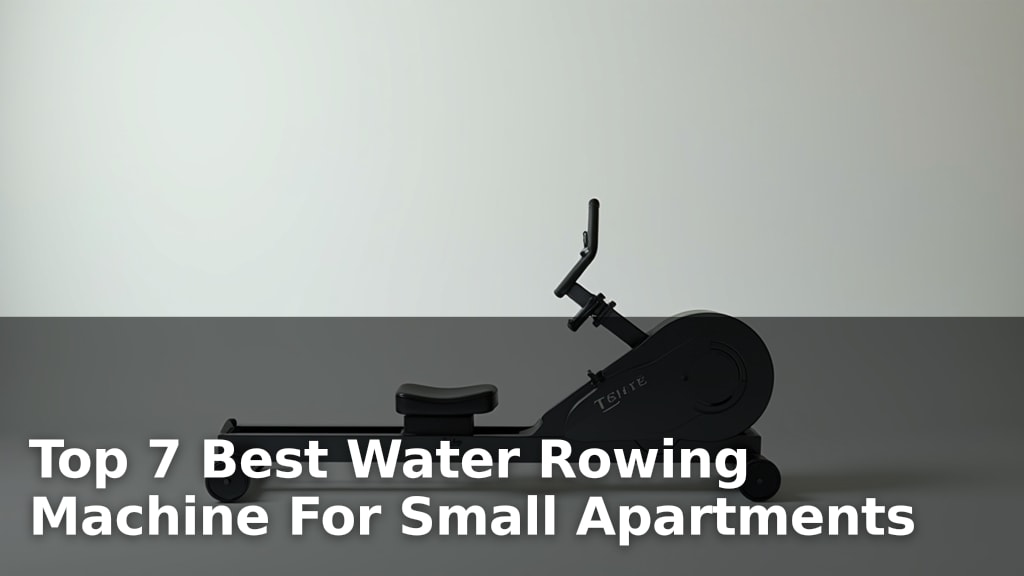
Water rowers use a tank of water with paddles inside to create resistance. Many people love the swooshing sound of the water, finding it soothing and realistic. They offer a very smooth and even resistance. However, they are generally the largest and heaviest type of rower.
- Pros: Very realistic rowing feel, pleasing water sound.
- Cons: Generally the largest and heaviest, making them less ideal for very small apartments.
Hydraulic (Piston) Resistance Rowers
These are typically the most compact and least expensive. They use hydraulic cylinders to provide resistance. While they save space, they often don’t provide the full range of motion or as smooth a stroke as other types. We’ve found they might be okay for light exercise but less satisfying for serious training.
- Pros: Very compact, often inexpensive.
- Cons: Less natural feel, can lack full-body engagement, cylinders can heat up.
Noise Level: A Key Apartment Consideration
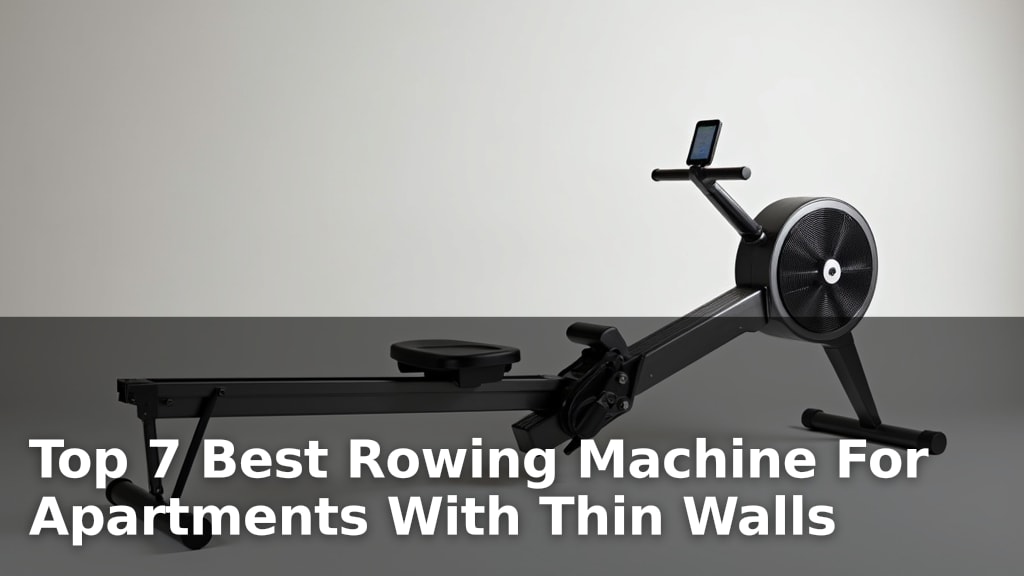
Nobody wants to be “that neighbor.” In an apartment, noise is a big deal. You want to exercise without annoying others or having to crank up your TV volume. We consistently hear that magnetic rowers are best for quiet operation. Air rowers are next, with the noise often described as a “whooshing” sound, similar to a powerful fan. Water rowers make a pleasant “slosh” sound. Hydraulic rowers can be quiet, but sometimes the pistons can squeak.
Budgeting for Your Apartment Rower
You don’t need to break the bank to get a good rowing machine for your apartment. Prices vary widely, and you can find excellent options at different price points. We found that most apartment-friendly rowers, especially foldable magnetic or air models, range from $300 to $1000. Investing a little more often gets you better build quality and a smoother, quieter experience.
Here’s a quick look at how different types stack up on average for apartment suitability:
| Resistance Type | Noise Level | Typical Size | Apartment Suitability |
|---|---|---|---|
| Magnetic | Very Low | Compact, often foldable | Excellent |
| Air | Medium (whoosh) | Medium, some foldable | Good |
| Water | Low (sloshing) | Large, heavy | Fair (if you have space) |
| Hydraulic | Low (can squeak) | Very compact | Fair (limited workout) |
Portability and Storage Ease
Beyond just folding, how easy is it to move your rower? This is critical if you need to pull it out of a closet every day. Look for transport wheels. Almost all quality rowers have them. These wheels let you tip the machine onto one end and roll it away with minimal effort. The weight of the machine also plays a role. A lighter rower is simply easier to manage (Cleveland Clinic).
Build Quality and Stability
Even in a small apartment, you want a rower that feels sturdy and safe. A wobbly machine is not only annoying but potentially unsafe. Look for a strong frame, often made of steel or aluminum. Read reviews about how stable the machine feels during an intense workout. A good machine will feel solid, even if it’s lightweight and foldable.
Checklist for Choosing Your Apartment Rower
Before you commit, ask yourself these questions:
- Is it foldable or does it offer vertical storage?
- What are its stored dimensions, and do they fit your available space?
- Is the noise level acceptable for your apartment and neighbors?
- Does it have transport wheels for easy movement?
- Does the resistance type match your workout preferences and budget?
- Is the machine stable and well-built for regular use?
By considering these factors, you’re well on your way to finding a rowing machine that fits perfectly into your small apartment and your active lifestyle.
Conclusion
Choosing the best rowing machine for your small apartment really comes down to balancing your workout needs with your living space. We’ve seen that foldable magnetic or air rowers often provide the ideal blend of quiet operation, effective resistance, and space-saving design. Prioritizing features like transport wheels, vertical storage, and a sturdy build will ensure your investment genuinely enhances your fitness routine without cluttering your home.
Take these insights, measure your space, and select a rower that will be a joy to use and easy to put away. You can achieve your fitness goals right in your apartment!
Frequently Asked Questions
How much space do I really need for a foldable rowing machine?
Even foldable rowers require some floor space while in use, typically about 7-8 feet in length and 2-3 feet in width. When folded or stored vertically, they usually take up a footprint closer to 2×3 feet or 3×3 feet, depending on the model. Always check the “stored dimensions” for the exact fit.
Are compact rowing machines less effective than full-sized ones?
Not necessarily. Many compact and foldable rowing machines, especially magnetic and air resistance types, offer excellent, full-body workouts. The “effectiveness” comes more from the resistance type and your effort, rather than the machine’s overall size. Just ensure it feels sturdy and provides a smooth stroke.
Can I keep a rowing machine on carpet in a small apartment?
Yes, you can. However, we recommend placing a protective mat underneath your rowing machine, especially on carpet. This helps stabilize the machine, prevents carpet wear, and catches any dust or debris. It also helps reduce noise and vibration during your workout.
What’s the easiest type of rower to move and store regularly?
Generally, a foldable magnetic rower with transport wheels is the easiest to move and store. Magnetic rowers are often lighter than water or air models, and the ability to fold reduces their length significantly. Transport wheels allow you to tip and roll them