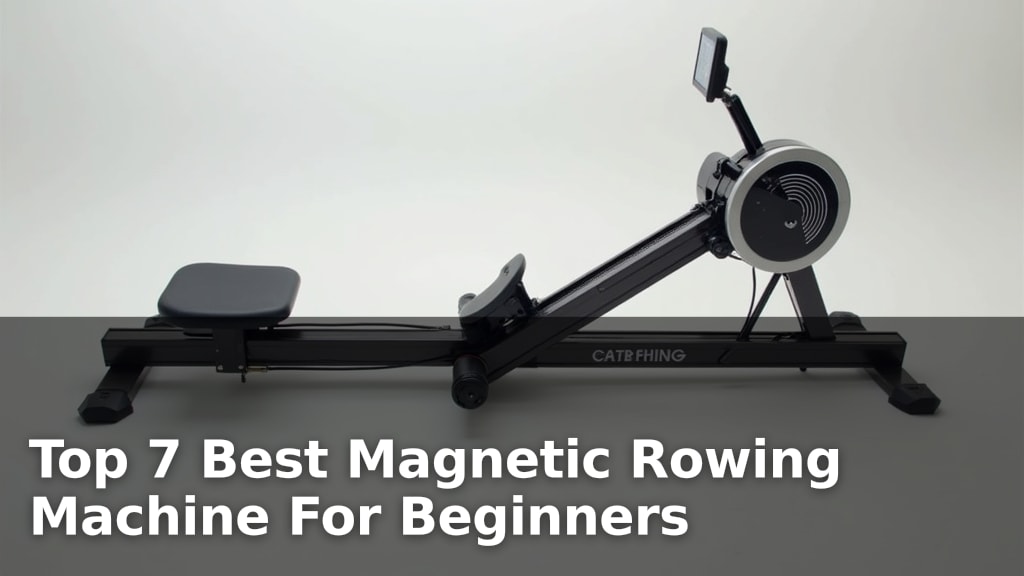
What Is the Difference Between Concept2 Model D and Model E?
On this page (8 sections)
The main difference between the Concept2 Model D and Model E rowing machines boils down to their frame height and overall dimensions. The Model E is taller, offering easier mounting and dismounting, while the Model D is more compact. Both deliver a superior full-body workout, but your personal preference and space will guide your choice.
When comparing these two popular rowers, consider that both offer the same core rowing experience and utilize the same internal engineering. Many users find the Model E’s elevated height to be a significant comfort factor. However, the Model D’s smaller footprint makes it a great fit for many home gyms.
- Model E is taller with higher seat.
- Model D is shorter and more compact.
- Both use the same flywheel technology.
- Both provide an excellent full-body workout.
- Your space and ease of use are key decision factors.
Let’s break down the specific differences to help you decide which Concept2 rower is the perfect fit for your home gym.
Understanding the Concept2 Model D vs. Model E
When you’re looking for a top-tier rowing machine, Concept2 is often the first name that comes up. They are known for durability and performance. You might be wondering about the key differences between their two most popular models: the Model D and the Model E. While they share the same heart, a few physical distinctions make them better suited for different users. Let’s dive into what sets them apart so you can make the best choice for your home gym.
Core Similarities: The Heart of the Rowers
Before we get into the differences, it’s good to know what makes both the Model D and Model E so great. Both rowers use the same proven technology. You’ll find the same reliable PM5 Performance Monitor on each. This monitor tracks your distance, pace, calories, and watts. It even allows for Bluetooth connectivity to fitness apps. The resistance system is also identical. It’s an air-based flywheel that provides smooth, consistent resistance. This means the actual rowing feel and workout quality are virtually the same, regardless of which model you choose.
The Flywheel: Smooth and Consistent Resistance
Concept2’s flywheel design is a big reason for its popularity. It uses a fan to create resistance. As you pull the handle, the fan spins faster, generating more air resistance. This system is known for being incredibly smooth. It also allows for a very natural feel, mimicking the resistance of water. The Model D and Model E both benefit from this exact same flywheel technology. This ensures a high-quality workout every single time you hop on.
The Performance Monitor (PM5): Your Workout Companion
Both machines feature the same advanced PM5 monitor. This isn’t just a simple counter. It provides real-time data to help you track your progress and stay motivated. You can see your stroke rate, distance, calories burned, and power output. It’s also great for interval training and comparing your performance over time. The connectivity options allow you to sync with apps like Peloton or Strava, giving your workouts a modern edge. This consistency in the monitor is a big plus for both models.
Key Differences: Frame Height and Accessibility
The most noticeable distinction between the Model D and Model E is their physical size and height. This difference impacts how easy it is to get on and off the machine, as well as its overall footprint. Thinking about who will be using the rower and where it will live is important here.
Model E: The Elevated Option
The Model E stands taller than the Model D. Its frame is elevated, meaning the seat is higher off the ground. This is often a big draw for people who find lower machines difficult to use. Getting on and off the Model E is much easier, especially for individuals with knee or hip issues, or those who simply prefer not to bend down too much. Think of it like sitting on a chair versus sitting on the floor. The higher seat makes it more accessible for a wider range of users. This added height also gives it a slightly more commanding presence in a home gym setting.
Model D: The Compact Choice
In contrast, the Model D has a lower profile. Its frame is closer to the ground. This makes it more compact and space-efficient. While it still offers a fantastic workout, getting on and off requires a bit more bending. For many, this isn’t an issue at all. If you have limited space or don’t mind the slightly lower seating position, the Model D is an excellent choice. It tucks away more easily and can feel less imposing in smaller rooms.
Seat Height Comparison
To give you a clear picture, the Model E’s seat is about 20 inches off the ground. The Model D’s seat is around 14 inches high. That’s a 6-inch difference. This might seem small, but it makes a big impact on accessibility. The Model E is often chosen by gyms and physical therapy centers for this very reason. It’s about making fitness available to more people.
Overall Dimensions and Footprint
Because of the height difference, the Model E is a bit larger overall. Its higher frame contributes to a longer and slightly wider profile when stored. The Model D, with its lower seat and frame, has a smaller footprint. If you’re tight on space, the Model D might be the more practical option. You can often store it more discreetly. Both rowers can be stood up on end for storage, which saves floor space, but the Model D will be a bit shorter when doing so.
| Feature | Concept2 Model D | Concept2 Model E |
|---|---|---|
| Frame Height | Lower profile | Higher profile |
| Seat Height (Approx.) | 14 inches | 20 inches |
| Accessibility | Requires more bending | Easier to mount/dismount |
| Footprint | More compact | Slightly larger |
| Flywheel & PM5 Monitor | Same | Same |
| Rowing Experience | Same quality | Same quality |
Durability and Construction: Built to Last
Concept2 rowers are legendary for their durability. Both the Model D and Model E are built with robust materials designed to withstand heavy use. The Model E, however, has some design choices that enhance its structural integrity, particularly due to its height.
Materials and Build Quality
You’ll find that both machines use high-quality aluminum and steel. They are engineered for longevity. The Model E, being taller, often features a more robust frame construction to support its elevated design. Some users report the Model E feeling slightly more solid or heavy-duty, which is partly due to its increased mass and frame structure. However, the Model D is by no means flimsy; it’s built to the same high standards.
Coating and Finish
One aesthetic and practical difference is the finish. The Model E typically comes with a powder-coat finish, often in a distinctive silver or grey. This finish is known for its excellent durability and resistance to scratches. The Model D usually features a more traditional dark grey or black powder coat. While both finishes are tough, the Model E’s coating is often cited as being slightly more resilient against wear and tear.
Who Is Each Model Best For?
Choosing between the Model D and Model E really comes down to your personal needs and preferences. Think about how you’ll use the rower and what’s most important to you.
Consider the Model D If:
- You have limited space in your home gym.
- You don’t mind a slightly lower seating position.
- You want a highly portable rower that’s easy to move.
- You’re looking for the most cost-effective Concept2 option (often the case).
Consider the Model E If:
- Easy entry and exit are a priority for you.
- You prefer a higher seating position, similar to a chair.
- You have ample space and don’t mind a larger machine.
- You want the most robust feel and a premium finish.
Many fitness enthusiasts find that the core workout is identical. The choice really boils down to how you interact with the machine physically and the space you have available. Both are excellent investments in your health.
Making Your Final Decision: A Quick Checklist
To help you finalize your choice, consider these points:
- Measure Your Space: Will the Model E fit comfortably?
- Assess Your Mobility: Is the Model E’s height a benefit for you?
- Storage Needs: Where will you keep it when not in use?
- Budget: The Model D is often a bit more budget-friendly.
- Aesthetics: Do you have a preference for the Model E’s finish?
Conclusion
You’ve learned that the heart of your workout remains the same with both the Concept2 Model D and Model E. Both deliver that legendary Concept2 rowing experience with the reliable PM5 monitor and smooth air resistance. The Model E offers easier access with its higher seat, making it a friendlier choice for many. The Model D, on the other hand, is a compact champion, perfect for tighter spaces and often a bit easier on your wallet. To make your final choice, think about your personal space, how you’ll get on and off, and what feels most comfortable for your body. Now you’re ready to pick the rower that best fits your home and your fitness goals!
Frequently Asked Questions
Is the Concept2 Model E really worth the extra cost over the Model D?
The Model E generally costs more due to its taller frame and more robust construction. If you highly value the easier mounting and dismounting, or prefer the elevated seating position, then the added cost may be well worth it for your comfort and accessibility. For others, the Model D offers the same core workout at a more budget-friendly price.
Can I store the Model D and Model E the same way?
Yes, both the Model D and Model E can be stood up on their ends for storage, which saves floor space. The Model D will be shorter when stored vertically due to its lower overall profile. This makes the Model D slightly easier to maneuver and store in tighter spots.
Will I get a different workout on the Model E versus the Model D?
No, the actual rowing workout and resistance feel are identical on both the Model D and Model E. They use the same flywheel technology and PM5 monitor. The only differences you’ll notice are in the physical dimensions and how easy it is to get on and off the machine.
Which model is better for someone with knee or hip pain?
The Concept2 Model E is generally recommended for individuals experiencing knee or hip pain. Its significantly higher seat height (around 20 inches compared to the Model D’s 14 inches) makes mounting and dismounting much easier, requiring less bending and strain on your joints.
Is the Model D too low for comfortable use?
The Model D’s seat height of about 14 inches is standard for many rowing machines and isn’t considered “too low” for most users. However, if you find lower seating positions difficult to manage or prefer something closer to chair height, the Model E’s 20-inch seat might be a more comfortable option for you.