What Is the Ideal Stroke Rate for Beginners?
On this page (7 sections)
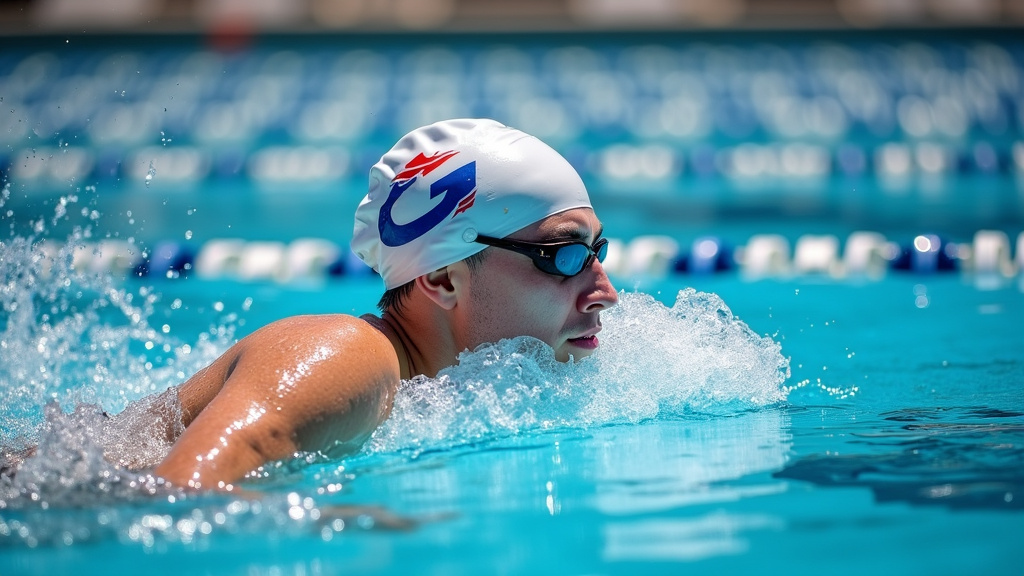
For beginners, the ideal stroke rate is often around 50 to 60 strokes per minute. This pace allows you to focus on proper technique without getting exhausted. Finding this rhythm is key to building a strong swimming foundation.
While there’s no single “magic number” for everyone, this range is a great starting point. It helps you develop efficiency and endurance. Many experienced swimmers maintain a similar cadence, proving its effectiveness for consistent progress.
- The best stroke rate for beginners is generally 50-60 strokes per minute.
- This rate balances technique with energy conservation.
- It’s a solid foundation for building swimming skills.
- Consistency in your stroke rate is more important than speed initially.
Let’s dive into why this stroke rate works so well for new swimmers and how you can find your own comfortable rhythm.
Finding Your Starting Stroke Rate as a Beginner Swimmer
So, you’re ready to hit the pool and learn to swim! That’s fantastic. As you start, you might wonder about the best rhythm for your strokes. Experts often suggest a starting point of 50 to 60 strokes per minute for new swimmers. This is your initial target zone. It’s a pace that allows you to focus on learning proper technique without wearing yourself out too quickly. Think of it as finding your swimming “comfort zone.”
Why this specific range? It’s all about balance. You want to move through the water effectively. But you also need to conserve energy. Getting tired too fast means you can’t practice as long. This rate helps you build endurance and efficiency. Many experienced swimmers find this cadence works well for them too. It shows that this range is a solid foundation for swimmers of all levels.
Why a Slower Stroke Rate Matters for New Swimmers
When you’re just starting, your main goal is to get comfortable in the water and learn the motions. A faster stroke rate can make you feel rushed. It’s like trying to sprint before you can walk. You’ll likely end up using a lot of energy with very little progress. This can lead to frustration, which is the last thing you need when learning something new.
Research suggests that focusing on a controlled, deliberate stroke is more beneficial for beginners. This allows your body to adapt to the water. It also lets your brain process the new movements. A slower, more consistent rhythm helps you avoid common beginner mistakes. These include choppy strokes or inefficient arm movements. You want each stroke to count. You’re not trying to win a race just yet; you’re building a strong technique.
Focusing on Technique Over Speed
Think of it like learning to play a musical instrument. You wouldn’t start by trying to play a complex solo at lightning speed, right? You’d begin with simple scales and practice them slowly and precisely. Swimming is similar. Your stroke rate needs to be slow enough that you can feel your hands and arms connecting with the water. You need to feel the pull and the push.
This deliberate practice helps you develop muscle memory. Your body will start to remember the correct movements. This is far more important than how many strokes you can fit into a minute. Many swimming instructors emphasize this point. They find that swimmers who focus on quality over quantity improve much faster in the long run. So, slow down and feel the water.
Conserving Energy for Longer Swims
Swimming can be surprisingly tiring when you’re new to it. Your body isn’t used to the resistance of the water. A high stroke rate burns through your energy reserves very quickly. If you’re trying to swim laps, you’ll likely find yourself out of breath and fatigued after just a short distance. This can make swimming feel like a chore.
A more moderate stroke rate, like 50 to 60 strokes per minute, helps you manage your energy. This pace allows for a more relaxed breathing pattern. It also gives your muscles a chance to recover slightly between strokes. This conservation of energy means you can swim for longer periods. You’ll build up your stamina gradually. This is essential for developing true swimming endurance.
How to Measure and Adjust Your Stroke Rate
Okay, you’re ready to find your personal rhythm. How do you actually figure out your stroke rate? It’s simpler than you might think. You don’t need fancy equipment, just a watch with a second hand or a stopwatch on your phone.
Simple Steps to Count Your Strokes
First, get into the water and start swimming a comfortable distance. Don’t try to go fast. Just swim at a pace where you feel in control. Once you’re swimming smoothly, start your stopwatch. Count either your left or right arm strokes for a full minute. For example, if you count your left arm, you’ll count every time your left arm enters the water.
Many swimming coaches recommend counting just one side. This simplifies the process. You can then double that number if you want the total strokes for both arms in that minute. Alternatively, you can count the strokes for 30 seconds and then multiply by two. This gives you your strokes per minute. Do this a few times to get an average. This will give you a reliable number.
What to Do with Your Numbers
Once you have your count, compare it to the 50-60 strokes per minute goal. If you’re counting significantly more than 60 strokes per minute, you’re likely moving too fast. Your strokes might be short and choppy. Try to consciously slow down your arm recovery. Focus on a longer, smoother pull through the water.
If you’re counting fewer than 50 strokes per minute, you might be moving too slowly. This could mean you’re not getting enough propulsion from each stroke. Perhaps your arms are dangling or not entering the water effectively. In this case, try to focus on a more powerful pull. Ensure your hand and forearm are creating a good “catch” with the water. You want to feel like you’re grabbing a bigger piece of water with each stroke.
Factors That Influence Your Ideal Stroke Rate
While 50-60 strokes per minute is a great starting guideline, remember that it’s not a strict rule. Several things can affect what feels right for you. Your body type, fitness level, and even the specific stroke you’re swimming can play a role.
Body Type and Size Considerations
A taller swimmer with longer arms might naturally cover more distance with each stroke. This could mean they need fewer strokes to complete a length of the pool. Conversely, a swimmer with a shorter wingspan might need more strokes to achieve the same distance. Neither is necessarily better; it’s just how your body works.
Think about it like rowing a boat. Someone with longer oars might need fewer strokes to move the boat a certain distance than someone with shorter oars. Your arm length is like your oar length in the water. Your goal is to find the most efficient way for your body to move forward.
Fitness Level and Endurance
As you get fitter, you’ll find you can maintain a good stroke and pace for longer. Initially, you might need a slower stroke rate just to manage your fatigue. As your stamina improves, you might find you can increase your stroke rate slightly while still maintaining good technique. Or, you might find you can maintain your current rate for much longer distances.
Many experts note that as swimmers improve, their stroke rate doesn’t always increase dramatically. Instead, they become more efficient. They generate more power from each stroke. This means they can swim faster with the same or even a slightly lower stroke rate. It’s about quality and power, not just frequency.
Different Strokes, Different Rhythms
It’s also important to know that different swimming strokes naturally have different stroke rates. Freestyle and backstroke tend to have faster stroke rates than breaststroke or butterfly. This is because the arm movements in freestyle and backstroke are more continuous.
Breaststroke, for instance, has a distinct pause as your arms recover forward. Butterfly also has a recovery phase that might naturally slow the overall cadence. For beginners focusing on freestyle, the 50-60 strokes per minute range is a good target. As you learn other strokes, you’ll discover their unique rhythms. You can then adjust your approach accordingly.
A Checklist for Finding Your Ideal Stroke Rate
Ready to put it all into practice? Here’s a quick checklist to help you find and refine your stroke rate:
- Start Slow: Focus on smooth, controlled movements, not speed.
- Count Your Strokes: Time yourself for one minute to see your current rate.
- Aim for 50-60: Use this as a general starting point for freestyle.
- Feel the Water: Ensure you have a good “catch” and pull with each stroke.
- Adjust as Needed: Speed up or slow down based on your comfort and fatigue.
- Practice Consistently: Regular swimming will help you find and maintain your rhythm.
Remember, consistency is key when you’re learning. Finding a stroke rate that allows you to swim with good technique and reasonable endurance is the ultimate goal. Don’t get discouraged if it takes a little time. Enjoy the process of getting to know your body in the water!
Conclusion
You’ve learned that finding your ideal stroke rate as a beginner is less about hitting a specific number and more about building a strong foundation. The 50 to 60 strokes per minute range is your friendly starting point. It helps you focus on technique and conserve energy, which is key for longer, more enjoyable swims. Remember to feel the water with each pull and adjust your rhythm based on how you feel. Continue practicing, and you’ll naturally find the pace that works best for your body and your swimming goals. Your journey to becoming a confident swimmer starts with these fundamental steps!
Frequently Asked Questions
How often should I count my strokes to track my progress?
It’s a good idea to count your strokes every few swimming sessions, especially when you’re first starting out. This helps you notice any changes and ensures you’re staying within your target range. Don’t stress about counting every single time, just check in periodically.
Is it okay if my stroke rate is a little different from 50-60 strokes per minute?
Yes, absolutely! That 50-60 range is a guideline, not a strict rule. Factors like your height, arm length, and fitness level can influence what feels natural. Focus more on a smooth, efficient stroke than hitting an exact number. Your body will tell you what works best.
What if I feel tired very quickly even with a slower stroke rate?
If you’re getting tired fast, it might be related to your breathing or overall technique, not just your stroke rate. Try focusing on relaxed breathing and ensuring your arm pull is effective. Taking short breaks can also help you build endurance gradually.
Should I try to increase my stroke rate as I get better?
Not necessarily. As you improve, you’ll likely become more efficient, meaning each stroke will generate more power. Some swimmers maintain a similar stroke rate but swim faster because their technique is better. Focus on improving technique and efficiency first.
How does stroke rate differ between freestyle and other swimming strokes?
Freestyle generally has a faster stroke rate than strokes like breaststroke or butterfly. This is because freestyle involves more continuous arm movements. Breaststroke and butterfly have natural pauses in their stroke cycles, which leads to a slower overall cadence. The 50-60 rate is primarily for freestyle beginners.