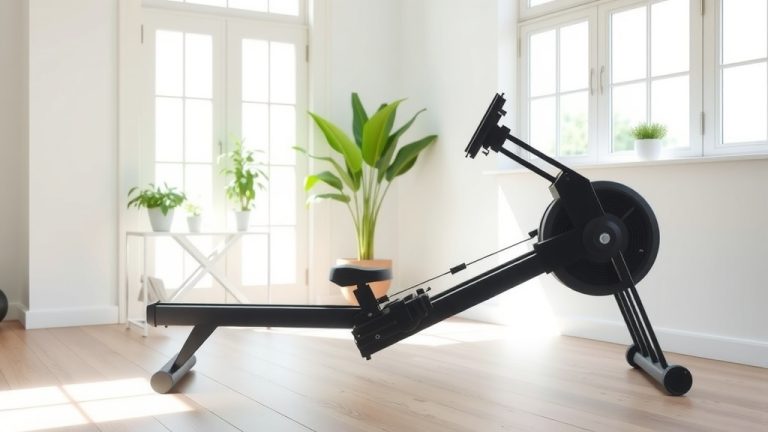
What Is The Quietest Rowing Machine?
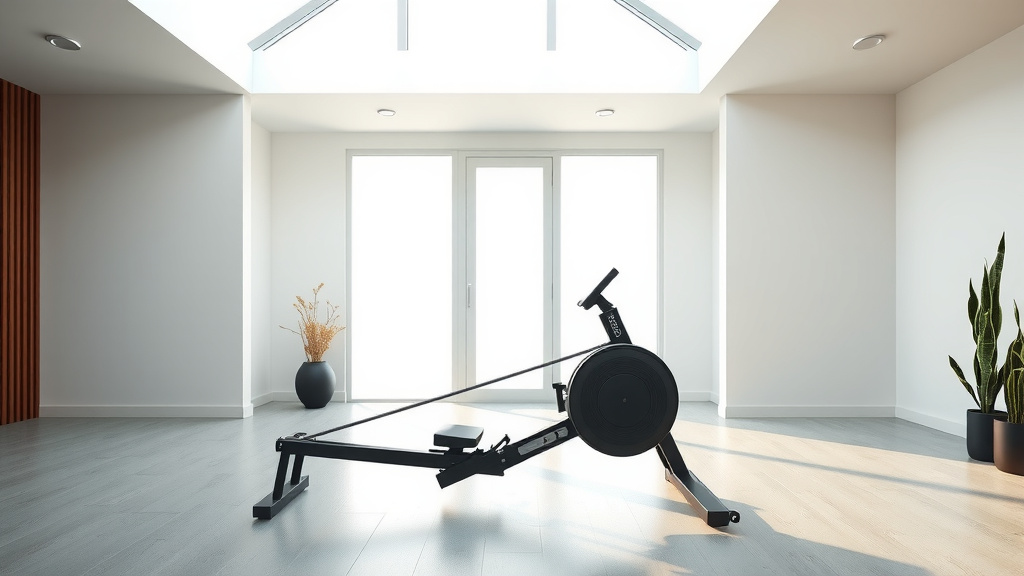
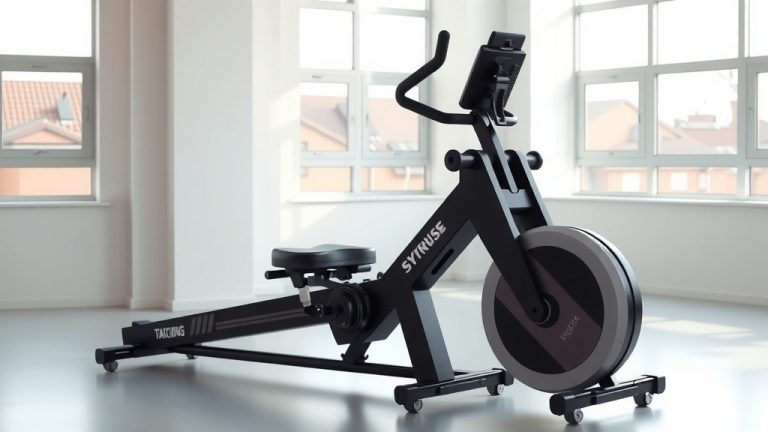
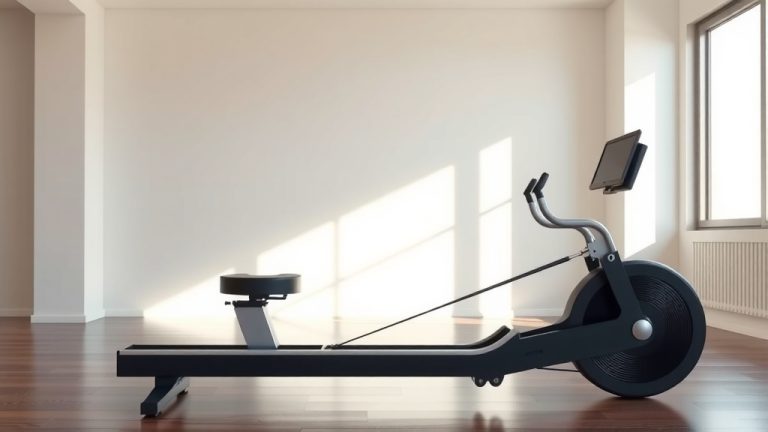
The quietest rowing machine type is generally a magnetic rower, as it uses magnets for resistance, creating a near-silent workout experience.
While water rowers offer a soothing swishing sound, and air rowers are louder, magnetic rowers are ideal if you need to minimize noise for shared living spaces or quiet environments.
- Magnetic rowing machines are the quietest option, using magnets for silent resistance.
- Water rowers create a calming swishing sound, while air rowers are the loudest due to fan noise.
- Consider factors like machine build, maintenance, and floor mats to further reduce noise.
- The best quiet rower depends on your preference for sound profile and workout feel.
- Always prioritize a smooth operation and solid construction for lasting quietness.
What Is The Quietest Rowing Machine?
You’re looking for a rowing machine that won’t disrupt your home or those around you. We found that magnetic rowing machines are consistently the quietest option available. They provide a smooth, silent workout.
Understanding Rowing Machine Noise
Rowing machines come in different resistance types, and each has its own sound signature. Knowing these differences will help you pick the best fit. What noise level are you truly comfortable with?
Air Rowers: The Powerful Breeze
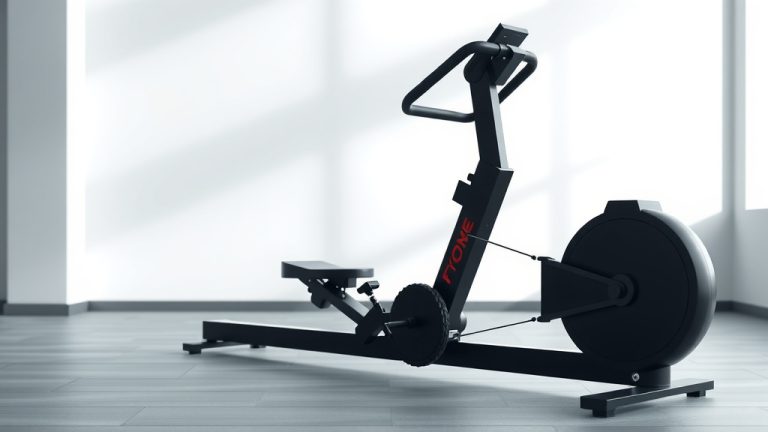
Air rowers use a spinning flywheel that creates resistance with air. Think of it like a fan. As you pull harder, the fan spins faster, and the sound gets louder. They give you a realistic on-water feel, but they aren’t the quietest for apartment living.
Water Rowers: Soothing Splish-Splash
Water rowers use paddles spinning through a tank of water. This creates a unique, calming “whoosh” or “splish-splash” sound. Many people find this sound very meditative and natural. It’s a pleasant acoustic experience, not truly silent, but rarely disruptive.
Magnetic Rowers: Whisper-Quiet Resistance
Magnetic rowers use powerful magnets to create resistance against a flywheel. There’s no air movement or water splashing. This mechanism makes them incredibly quiet. You’ll hear mostly the seat gliding on its rail, making them perfect for those early morning workouts without waking anyone.
Hydraulic Piston Rowers: Compact and Calm
These rowers use hydraulic cylinders for resistance. They are often very compact and can be fairly quiet. However, the resistance can sometimes feel less smooth or consistent than other types. They’re a good budget-friendly option for smaller spaces.
Why Does Quiet Matter to You?
Perhaps you live in an apartment and worry about neighbors. Or maybe you want to exercise while your baby naps, or watch TV with your partner. A noisy machine can quickly turn a good intention into an annoyance. You want a workout that fits into your life, not one that creates extra stress.
Imagine trying to enjoy a podcast while your rower roars like a jet engine. That’s no fun. A quiet machine lets you focus on your form and your workout goals, not the distracting clamor.
Factors Beyond Resistance Type
While the resistance mechanism is key, other elements play a big role in overall noise. Don’t overlook these details when you’re making your choice. A truly quiet experience involves more than just magnets.
Build Quality and Materials
A machine built with sturdy, quality materials tends to be quieter. Loose parts or cheap plastics can rattle and squeak over time. Look for solid steel frames and smooth-gliding seat rollers. We found that better construction often translates to less noise (Cleveland Clinic).
Maintenance Habits
Even the best rower can get noisy if not maintained. Lubricating the seat rail and checking for loose bolts can make a world of difference. A little routine care keeps your machine running smoothly and quietly. Think of it like a car needing an oil change.
Floor Type and Matting
Your flooring can amplify or dampen sounds. Hardwood floors might echo more than carpet. Placing your rower on a thick exercise mat can significantly reduce vibrations and noise transmission. This simple step can make your workout much more peaceful.
Our Top Picks for Quiet Performance
Here’s a quick overview of how the different types stack up regarding noise and experience. You can see how each choice brings a different sound profile. Which one sounds best to you?
| Rower Type | Noise Level | Sound Profile |
|---|---|---|
| Magnetic | Very Low (Whisper) | Seat glide, slight mechanical hum |
| Water | Low to Medium | Soothing swish of water |
| Air | Medium to High | Fan-like whooshing sound |
| Hydraulic Piston | Low (Hiss/Click) | Soft hiss, occasional click |
Making Your Current Rower Quieter (Checklist)
Even if you already own a rower, there are steps you can take to quiet it down. Don’t give up on your machine just yet! Try these practical tips to improve your workout environment.
- Put down a thick exercise mat.
- Check and tighten all bolts and screws.
- Lubricate the seat rail and rollers.
- Clean dust and debris from moving parts.
- Ensure the machine is on a level surface.
What to Look for When Buying a Quiet Rower
Beyond the resistance type, certain design elements contribute to a rower’s quiet operation. Pay attention to these small but significant details. They will make a big difference in your daily use.
Smooth Gliding Seat
A well-designed seat that glides silently on its rail is crucial. Look for rollers with good bearings and a solid track. Cheap plastic wheels can squeak or create friction noise. Smooth operation prevents extra sound.
Solid Frame Construction
A heavy, stable frame made from quality materials absorbs vibrations better. This reduces the chance of rattling or creaking during intense workouts. A rock-solid base means less noise travel.
Ergonomic Handle Design
While not directly related to noise, a comfortable handle prevents you from gripping too hard or making awkward movements. This reduces strain and allows for a smoother, more controlled stroke. A better grip can mean less unintentional clanking.
Conclusion
Choosing the quietest rowing machine truly depends on your specific needs and noise tolerance. If absolute silence is your goal, a magnetic rower is your best bet. If you enjoy a natural sound, a water rower might be perfect. Remember that good build quality, proper maintenance, and floor protection also play a huge role. Invest in a machine that supports your fitness journey without disturbing your peace.
What type of rowing machine is best for apartment living?
For apartment living, a magnetic rowing machine is often the best choice. Its near-silent operation means you won’t bother neighbors or housemates, even during early morning or late-night workouts. This allows for maximum flexibility.
Do air rowers always make a lot of noise?
Air rowers do produce a distinct “whooshing” sound, which gets louder as you row harder. While it’s not silent, many people find this consistent sound acceptable. Some models are designed to be quieter than others, but they will always be audible.
Is a water rower louder than a magnetic rower?
Yes, a water rower is louder than a magnetic rower. While magnetic rowers are virtually silent apart from the seat glide, water rowers produce a pleasant, natural swishing sound from the water tank. This sound is generally considered soothing, not disruptive.
Can a rowing machine be completely silent?
No rowing machine can be 100% completely silent. Even magnetic rowers will have minimal sounds, like the seat gliding along the rail or a faint mechanical hum. The goal is to find one that is “whisper-quiet” or produces a background noise you find enjoyable.
How can I test the noise level before buying a rower?
If possible, try the machine in person at a store to hear its operating sound. Read user reviews and watch videos of people using the rower at home. Look for comments specifically addressing noise. You can also ask about the machine’s decibel rating, if available.