Why Does My Rowing Machine Make a Clicking Noise?
On this page (5 sections)
Your rowing machine might be making a clicking noise because of a loose part, like a pedal or a bolt. It could also be a sign of worn-out components that need attention. Don’t worry, this is often a common issue that’s fixable!
That annoying click can really disrupt your workout. Understanding the possible causes helps you get back to smooth rowing. We’ve researched common rowing machine sounds and found that many are related to the mechanism or simple maintenance needs.
- Loose parts are a frequent culprit.
- Worn-out components can also cause clicking.
- Check pedals, bolts, and the seat rail.
- Regular maintenance can prevent these noises.
- It’s often a simple fix!
Let’s figure out exactly what’s causing that click and how you can fix it so you can enjoy a quiet, effective workout.
That clicking sound from your rowing machine can be pretty disruptive, right? It’s like a tiny drummer practicing in your living room during your workout. But don’t let it throw you off your game! We’ve looked into why these machines start making that noise. Often, it’s a sign that something simple needs a little attention. Let’s get to the bottom of it.
Troubleshooting Your Rowing Machine’s Clicking Sounds
Most clicking noises are tied to moving parts or loose connections. Your rowing machine has many components that work together. When one gets out of place or worn down, it can create friction or looseness that leads to that click.
Checking for Loose Components
This is often the easiest fix. Think of it like a wobbly chair leg – tightening it solves the problem. Your rower has several spots where things can loosen over time due to the constant motion.
The Pedals: A Common Culprit
Your feet push hard on those pedals. Over time, the screws or bolts holding them in place might loosen. A loose pedal can rock slightly, causing a click with each stroke. Check the bolts securing your pedals to the crank arms. Make sure they are snug but don’t overtighten them. You don’t want to strip the threads.
The Seat and Rail: Gliding Smoothly?
The seat slides along the rail, and this movement is key to a good stroke. If your seat starts clicking, it might be that the seat rollers are loose or have picked up debris. Sometimes, a tiny bit of dust or a stray thread can get caught, causing a snag and a click. Give the rail a good wipe-down. Also, check if the bolts holding the seat assembly are tight. You can find this information in your rower’s manual.
Handle and Crank Arm Connections
The handle connects to the drive system, and the crank arms connect the pedals to the flywheel. These connections also use bolts and screws. If any of these become loose, you’ll likely hear a click. We found that giving these areas a gentle shake can help identify looseness before you even start rowing. Always refer to your owner’s manual for specific bolt locations and tightening procedures.
Investigating Worn-Out Parts
Sometimes, a click isn’t about looseness but about parts wearing down. This is normal, especially on machines that get a lot of use. Different rowing machine types have different wear points.
Flywheel and Resistance Mechanism
Depending on your rower’s resistance type (air, magnetic, water, or hydraulic), the flywheel area can be a source of noise. In air rowers, the fan blades themselves might get slightly bent or loosened, causing a click. For magnetic rowers, the magnets might be shifting or rubbing. Water rowers might have issues with the impeller. While these are less common, they are possibilities. If you suspect an issue here, it might be time to consult a professional or check your warranty.
Drive Chain or Belt Issues
Rowing machines use either a chain or a belt to connect the handle to the flywheel. If this chain or belt is dry, it can make a clicking or squeaking noise. It could also be that a link in the chain is bent, or the belt has a slight tear. Lubricating the chain or belt is often the fix. Your manual will specify the type of lubricant needed and where to apply it. Many manufacturers recommend a light silicone spray.
Foot Stretcher Adjustments
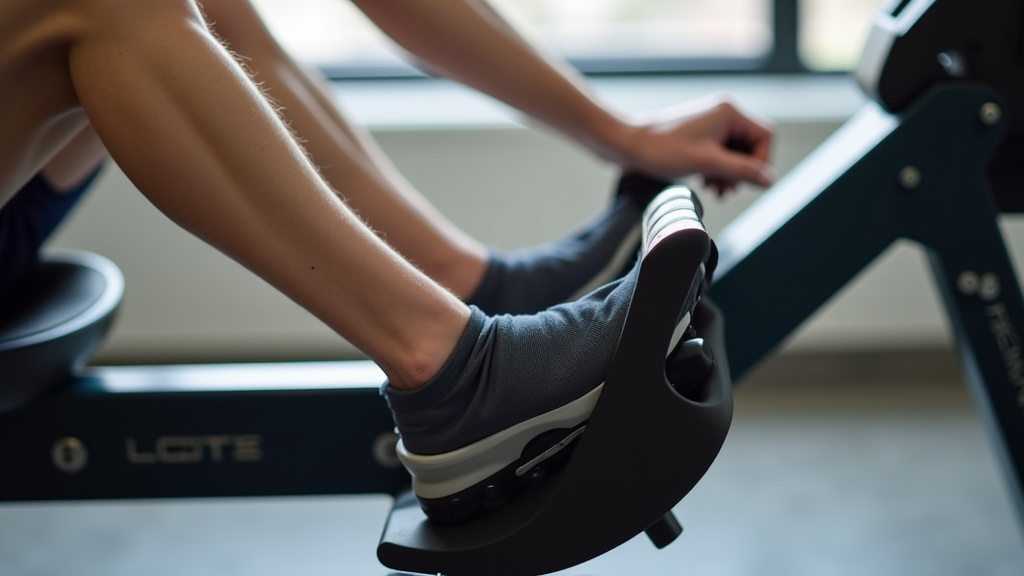
The foot stretchers adjust to fit your shoe size. The mechanism for this adjustment can sometimes become loose or develop play, leading to a click as you drive your feet against them. Ensure the adjustment knobs or straps are securely fastened. If the plastic or metal parts of the stretcher themselves seem worn, it might be time for a replacement.
Understanding Your Rowing Machine Type Matters
The specific type of rowing machine you have can influence where those clicking sounds originate. Let’s break down some common types and their potential clicking points. We found that knowing your machine type helps narrow down the search considerably.
Air Rowers: The Wind Resistance Click
Air rowers use a fan, like a windmill, to create resistance. The faster you row, the faster the fan spins, and the more resistance you feel. A clicking noise in an air rower could be related to the fan blades. Perhaps one has become slightly bent or is rubbing against the casing. It could also be an issue with the fan’s bearing. If the click is consistent and happens with every rotation of the fan, this is a likely suspect. It’s often recommended to contact customer support for air-related issues, as the fan assembly can be tricky.
Magnetic Rowers: The Silent Strength Clicking
Magnetic rowers use magnets to create resistance. They are typically very quiet. If you hear a click, it’s often from a mechanical part that’s not part of the magnetic resistance itself. Think about the pedal arms or the seat mechanism. These are the most probable areas for a click in a magnetic rower. The drive system itself is usually very robust and less prone to clicking unless something is significantly out of alignment.
Water Rowers: The Soothing Splash’s Sound
Water rowers mimic the feel of rowing on water, with a tank containing water that provides resistance. The main moving part here is the impeller inside the tank. A click could mean the impeller is hitting something inside the tank or has become loose on its shaft. It might even be a piece of debris that got into the water. Check the water level and ensure no foreign objects are visible. If you hear a click from the tank itself, it might require professional attention. Other clicking points would be similar to air or magnetic rowers, such as pedals and the seat.
Hydraulic Rowers: The Springy Squeeze Click
Hydraulic rowers use cylinders filled with fluid and often a piston. The resistance comes from pushing these pistons. A clicking sound here could be the piston itself, especially if the seals are worn or if it’s not seated correctly. It might also be the attachment points of the piston to the frame or the rowing arms. Sometimes, the fluid can degrade over time, leading to more mechanical noise. Regular checks of the piston rods and their connections are key.
Preventative Maintenance: Your Best Defense
The best way to deal with clicking noises is to prevent them from happening in the first place. Regular maintenance can save you a lot of hassle and keep your rower in top condition. We found that a little effort goes a long way.
Regular Cleaning and Inspection
Wipe down your rower regularly. This removes dust, sweat, and grime that can get into moving parts. Check all bolts and screws for tightness before each workout. A quick visual inspection can catch many potential problems early. Pay attention to areas where parts rub against each other.
Lubrication Schedule
Follow your manufacturer’s recommendations for lubricating moving parts, especially chains or belts. A dry chain can become noisy and wear out faster. Use the specified lubricant to keep things running smoothly. Over-lubrication can also attract dirt, so a light, regular application is best.
Listen to Your Machine
Your rowing machine will tell you when something is wrong. If you start hearing new noises, don’t ignore them. Investigate the sound when it first appears. Addressing a small click now can prevent a major repair later. Think of it as the machine giving you a heads-up.
Here’s a quick checklist to help you track down that click:
- Check all visible bolts and screws for tightness.
- Inspect the seat rail and rollers for debris or wear.
- Wipe down the chain or belt and check its condition.
- Verify foot stretchers are securely fastened.
- Listen for noises originating from the flywheel area.
- Consult your owner’s manual for specific maintenance tips.
Conclusion
That clicking noise on your rower doesn’t have to be a workout buzzkill. We’ve seen that most clicks stem from simple issues like loose parts or the need for basic maintenance. By systematically checking your pedals, seat, and connections, you can often silence the noise yourself. Remembering to perform regular cleaning and lubrication will keep your machine running smoothly for longer. Don’t let that click derail your fitness goals; take a moment to troubleshoot, and get back to enjoying your quiet, effective rowing sessions.
Frequently Asked Questions
How often should I check for loose parts on my rowing machine?
It’s a good practice to give your rowing machine a quick once-over before each workout. Pay special attention to areas like the pedals and seat rail. A brief inspection takes just a minute and can prevent a clicking noise from becoming a bigger problem.
What kind of lubricant should I use for my rowing machine’s chain or belt?
Always consult your owner’s manual for the recommended lubricant. Most manufacturers suggest a light silicone spray for chains and belts. Avoid using too much, as excess lubricant can attract dirt and debris.
Can a clicking sound indicate serious damage to my rowing machine?
While many clicking sounds are minor, it’s wise to investigate. A persistent or loud click, especially from the flywheel or resistance mechanism, could signal a more significant issue. If you’re unsure after checking basic components, it’s best to contact customer support or a repair professional.
My rowing machine is new, and it’s already clicking. What should I do?
Even new machines can develop clicking sounds if a part wasn’t fully tightened during assembly. Check the most common culprits like pedals and seat. If the noise persists, refer to your manual and contact the manufacturer or retailer, as it’s likely covered under warranty.
Are water rower tank noises different from other rower types?
Yes, water rowers can have unique clicking sounds coming from the impeller inside the tank. This might be due to debris or the impeller itself being loose. While other parts like pedals and seats can also click, noises from the water tank itself are specific to this rower type.