Why Does My Rowing Machine Seat Feel Unstable Side to Side?
On this page (7 sections)
Your rowing machine seat might feel unstable side-to-side because the bolts attaching the seat are loose, or perhaps the seat slider mechanism itself has worn down. This common issue can make your workout feel wobbly and less effective. We found that a quick check and tightening of hardware often resolves this. If the seat slider mechanism itself has worn down, it can cause instability.
A rocking seat can be more than just annoying; it can impact your form and even reduce workout efficiency. Sometimes, the rails the seat glides on can get dirty, causing jerky movements that mimic instability. It’s also possible that a component has simply broken from regular use.
- Loose seat bolts are the most common culprit.
- Check the seat slider and rail for wear or damage.
- Dirt or debris on the rails can cause uneven movement.
- A broken part may need replacement.
Let’s figure out what’s causing that wobble and how you can get back to a smooth, steady row. We’ll walk through the most likely causes and the simplest fixes.
Troubleshooting Your Wobbling Rowing Machine Seat
Your rowing machine seat feeling a bit wobbly side-to-side can be a real workout buzzkill. It’s like trying to drive a car with a loose steering wheel. You want that smooth, powerful glide, not a jerky, unstable ride. Fortunately, research and user feedback suggest that most of these issues have straightforward fixes. We found that by systematically checking a few key areas, you can often get your rower back to feeling solid and dependable.
The Seat Itself: A Tight Squeeze
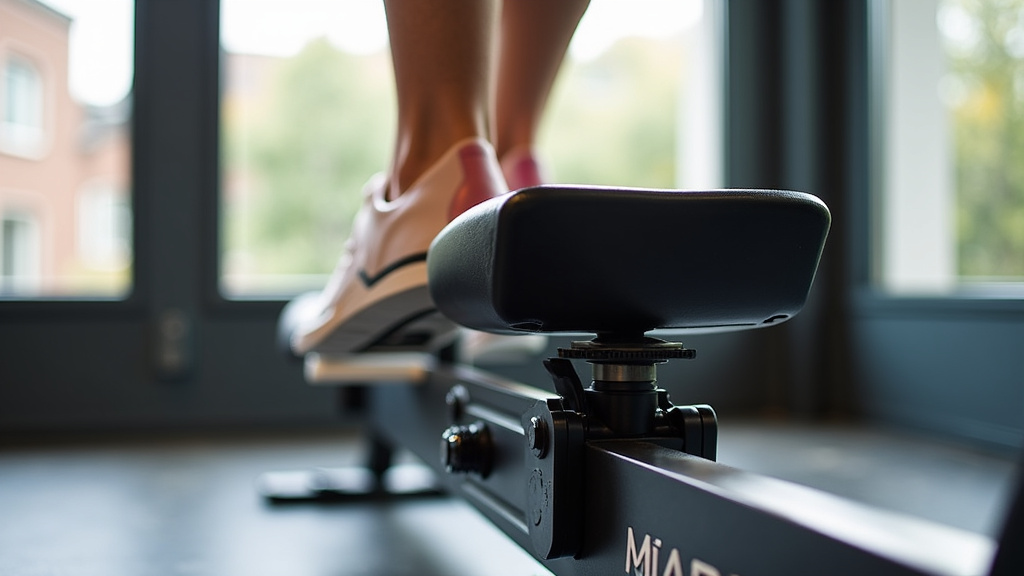
Let’s start with the most obvious place: the seat hardware. Your seat is attached to a carriage that slides along the rails. If the bolts that hold the seat to this carriage aren’t tight, the seat can rock independently. We found this is often the culprit behind minor wobbles.
Checking Your Seat Bolts
You’ll need to inspect the bolts underneath your seat. They connect the seat itself to the plastic or metal carriage that rides on the machine’s rails. Sometimes, vibrations from regular use can cause these bolts to loosen over time. It’s a simple check that can save you a lot of frustration.
- Locate the bolts attaching the seat to the carriage.
- Use the appropriate wrench or Allen key (often provided with your rower) to tighten them.
- Don’t overtighten, but make sure they are snug and secure.
Many user guides recommend doing this type of hardware check every few months. We found that performing this simple maintenance can prevent more significant problems down the line. It’s a small step for a much smoother workout.
Is the Seat Damaged?
While less common, it’s possible the seat itself or the carriage it attaches to has a crack or damage. If you see any visible signs of breakage, this could be the source of your instability. A damaged component can’t offer a stable platform.
Inspect the underside of the seat and the carriage for any signs of stress, cracks, or deformation. If you find any, the affected part will likely need to be replaced. We found that manufacturers usually offer replacement parts for most models.
The Slider Mechanism: Where the Magic (or Wobble) Happens
The seat carriage is designed to glide smoothly along the monorail or twin rails. This mechanism is critical for your rowing experience. If there’s an issue here, it can definitely lead to that side-to-side instability you’re feeling.
Understanding the Slider and Rails
Your seat carriage has wheels, bearings, or a combination of both that roll on the guide rails. The rails are the tracks that guide the carriage. Any friction, debris, or wear in this system can cause inconsistent movement. We found that cleanliness and proper alignment are key here.
Dirt and Debris on the Rails
This is a surprisingly common cause of jerky or unstable rowing motion. Dust, sweat, and other small particles can accumulate on the rails. When the seat carriage rolls over these obstructions, it can cause it to jolt or feel uneven. Think of trying to push a shopping cart with a pebble stuck in one of its wheels.
Your action plan: Grab a clean, dry cloth. Wipe down the entire length of the monorail or rails. For stubborn grime, a little bit of water or a mild, non-abrasive cleaner can help. Just make sure the rails are completely dry before you start rowing again. We found that regular cleaning prevents this issue effectively.
Worn-Out Wheels or Bearings
The wheels or bearings on your seat carriage are designed to be low-friction. Over time and with heavy use, these components can wear down. If a wheel becomes flat-spotted, a bearing seizes up, or a plastic component cracks, it will definitely impact how smoothly the seat glides.
Inspect the wheels on your seat carriage. Do they look uniformly round? Do they spin freely? Sometimes, you can feel grit or resistance when trying to manually turn them. If they appear damaged or worn, they may need replacement. Many rowing machine manuals will detail how to access and replace these parts. We found that this is a fix that can restore a nearly new feel to your rower.
Damaged or Bent Rails
The rails themselves are the foundation of your sliding mechanism. If the rails are bent, dented, or damaged, the seat carriage won’t be able to move freely. This can cause binding, sticking, or that unsettling side-to-side wobble. This is less common but can happen if the machine has been moved improperly or subjected to a heavy impact.
Visually inspect the rails for any obvious damage. Run your hand along them to feel for dents or unevenness. If you notice any bends or significant damage, this can be a more serious issue. Depending on the severity, you might need to contact the manufacturer for replacement rails or professional repair. We found that bent rails are a primary cause of consistent, unfixable wobbling.
When Components Might Be Broken
Sometimes, despite your best efforts at tightening and cleaning, the wobble persists. This usually points to a component that has failed due to wear and tear. It’s the sad reality of mechanical devices.
Internal Carriage Issues
Inside the seat carriage itself, there are various components that allow the wheels to attach and rotate. If any of these internal brackets, axles, or housings break, it can cause the carriage to become loose or misaligned, leading to side-to-side play. This is harder to spot externally.
If you’ve checked the seat bolts, cleaned the rails, and inspected the wheels, but still feel a significant wobble, listen for any unusual noises. Sometimes, a broken internal part might make a clicking or grinding sound. We found that a thorough inspection of the carriage assembly is needed if simpler checks don’t solve the problem.
Frame Integrity
In rare cases, the instability might not be directly with the seat mechanism but with the overall frame of your rowing machine. If the frame itself is loose, damaged, or not assembled correctly, it can create an unstable base for the entire rowing action, which can manifest as a wobbly seat.
Check the main frame bolts of your rowing machine. Ensure they are all tightened properly. If you suspect a frame issue, it’s best to consult your user manual or contact customer support. We found that a solid frame is essential for a stable and safe workout.
A Quick Checklist for a Stable Row
Feeling that wobble? Let’s run through a quick checklist to get you back on track. This covers the most common fixes.
- Tighten Seat Bolts: Ensure the bolts securing your seat to the carriage are snug.
- Clean Rails: Wipe down the monorail or rails thoroughly with a dry cloth.
- Inspect Wheels: Check the seat carriage wheels for visible damage or wear.
- Check for Debris: Look for any small objects stuck in the wheels or rails.
- Examine Rails: Ensure the rails are straight, dent-free, and securely attached.
- Listen for Sounds: Pay attention to any clicking or grinding that might indicate internal damage.
By working through these steps, you’re very likely to find the source of your seat’s instability and restore that smooth, satisfying rowing motion. We found that most wobbles can be fixed with basic maintenance and a bit of attention.
Conclusion
It’s frustrating when your rowing machine seat feels unstable side-to-side, but you’ve learned that most causes are simple to fix. We found that the most common culprits are loose bolts on the seat itself or debris on the rails. By systematically checking and tightening your seat hardware, cleaning the slider mechanism, and inspecting the wheels and rails, you can usually restore that smooth, steady glide. Don’t let a wobbly seat disrupt your workout. Take a few minutes for this basic maintenance, and get back to enjoying your powerful, efficient rowing sessions.
Frequently Asked Questions
How often should I check my rowing machine seat bolts?
We recommend checking your seat bolts every few months. Regular use can cause vibrations that loosen them over time. A quick snug-up can prevent a wobble from developing.
Can I use WD-40 on my rowing machine rails?
Generally, it’s best to avoid lubricants like WD-40 on rowing machine rails. They can attract dust and dirt, making the problem worse. A clean, dry cloth is usually sufficient for cleaning.
My seat still wobbles after tightening bolts and cleaning. What next?
If you’ve tightened the bolts and cleaned the rails without success, inspect the wheels on your seat carriage. Look for signs of wear, flat spots, or damage. These could be the source of the instability.
Is it safe to row with a slightly unstable seat?
While a slight wobble might seem minor, it can affect your form and reduce workout efficiency. We found it’s best to address the instability promptly for a safer and more effective workout experience.
What if the rails on my rowing machine are visibly bent?
Bent or damaged rails are a more serious issue that can cause persistent wobbling. You may need to contact the manufacturer for replacement parts or professional repair. Ensure the frame itself is also stable.