How to Combine Jump Rope and Rowing in One Workout
You can combine 1,000 jump rope skips and 15 minutes of rowing by splitting the skips into manageable sets, then rowing at a pace you can sustain. Rest when needed and shorten either part if your form starts to slip.
On this page (9 sections)
- How can you combine 1,000 skips and 15 minutes of rowing?
- Should you jump rope or row first?
- How should you pace the 1,000 skips?
- How should you row for 15 minutes after skipping?
- How much rest should you take between the two activities?
- What equipment can support this workout?
- How can you adjust the session for your space?
- What should you do if your form or energy drops?
- How do you choose a plan for your next workout?
You can combine 1,000 jump rope skips and 15 minutes of rowing in one workout by breaking the skips into small sets, then rowing at a steady, controlled pace. Rest between activities, and scale the session if your timing, landing, or rowing form starts to slip.
This pairing puts two cardio activities in one session, but the skip count doesn't need to be continuous. Treat 1,000 as a total target, not a reason to rush through tired repetitions.
How can you combine 1,000 skips and 15 minutes of rowing?
Split the skips into sets, then complete 15 minutes of rowing at a pace you can maintain. For example, do 10 sets of 100 skips with short rests, followed by rowing; adjust the set size to suit your coordination and fitness.
Another option is to row first, take a short break, and finish the skips in sets. Choose the order based on which activity you want to do with fresher legs and attention.
Keep the transition simple: put the rope and water within reach, set up the rower before you begin, and allow a few minutes to catch your breath between activities. The goal is to finish both blocks with controlled movement.
Should you jump rope or row first?
Do your priority activity first. Row first if you want to focus on rowing technique or a consistent 15-minute effort; skip first if reaching the 1,000-count target is your main aim.
Jump rope asks for quick timing and repeated landings, while rowing uses a repeated leg drive and upper-body pull. If one activity makes the second feel awkward, try switching the order next time or add more rest between them.
A rowing warm-up can also help you ease into the session before skipping. If you row first, keep the opening minutes relaxed so your legs aren't already tired when you start the rope.
How should you pace the 1,000 skips?
Use sets small enough to keep your rhythm and landings controlled. Ten sets of 100 is one straightforward plan; 20 sets of 50 gives you more frequent breaks.
Count each set rather than trying to track all 1,000 at once. Rest until you can turn the rope and land comfortably, then continue; the work intervals don't have to be the same length.
Keep jumps low and land softly, with the rope passing under your feet without forcing a faster pace. Stop and reset if you catch the rope repeatedly or your landings become heavy.
What if 1,000 skips is too much today?
Reduce the target or spread it across more sets. You can stop at a lower total and build toward 1,000 over time as your timing and comfort allow.
If you haven't jumped rope recently, try a short practice block before pairing it with rowing. A jump rope needs enough clear space overhead and around you, so check the area before starting.
For a small home workout area, compare the space needs in our guide to whether a rowing machine or jump rope is better for a small apartment.
How should you row for 15 minutes after skipping?
Start at an easy pace and build only while your strokes stay smooth. After the rope, focus on a controlled sequence: push with your legs, swing your body back, then draw the handle toward your torso; reverse that order on the recovery.
Keep your shoulders relaxed and avoid pulling the handle high or rushing the return. If your legs feel tired, lower the pace or resistance rather than trying to match a faster stroke rate.
A compact option for home is the Sunny Health & Fitness Compact Hydraulic Rower, which has 12 resistance levels and an inclined rail.
The rowing block can be steady rather than all-out. If you want a more demanding interval structure on another day, see our guide to CrossFit rowing workouts.
How much rest should you take between the two activities?
Rest long enough to regain comfortable breathing and coordination. There is no single break that fits everyone, so use how you feel and how well you can move as your guide.
Drink water if you need it, and avoid starting the next block while you feel dizzy or unsteady. If fatigue changes your rowing stroke or rope timing, take another break or end the session.
Keep the workout focused on quality movement. If you are weighing other cardio options, compare rowing with incline walking.
The target is a useful structure, not a deadline that overrides how your body feels.
What equipment can support this workout?
A jump rope and a rowing machine are the two main tools for this session. A standard rower is the closest match for the 15-minute rowing block; accessories and other fitness equipment should only be added if they serve a separate goal.
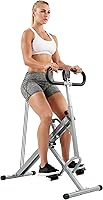
The Smart Row-N-Ride Glute is a squat-assist trainer with adjustable resistance bands, a built-in monitor, and app connection. It isn't a standard rowing machine, but it may suit someone adding a separate lower-body strength movement to a home routine.
For a broader approach to strength work that supports rowing, see how to build strength for rowing. Keep strength work separate from this cardio session if fatigue affects your rope timing or stroke.
How can you adjust the session for your space?
Choose a clear, stable area for skipping and enough room for the rower’s full movement. Move furniture, check overhead clearance, and make sure the floor won't shift under your feet.
If you use a rower in a small room, measure the available floor space and consider where it will go between workouts. Our guide to the best rowing machine under 1,000 dollars can help you compare rowers by budget.
A Bowflex home gym may have a rowing movement, but it isn't the same setup as a dedicated rower. Read whether you can use a Bowflex home gym as a rowing machine before planning around one.
What should you do if your form or energy drops?
Pause or shorten the workout if fatigue changes your movement. Catching the rope, landing hard, or losing control of the rowing recovery are useful signals to rest or stop.
If you feel pain, dizziness, or unusual shortness of breath, stop exercising. Resume only when you feel well, and seek medical advice for symptoms that are severe or keep returning.
You can also lower the skip total or row for less than 15 minutes while you build consistency. A repeatable session with controlled movement is a better starting point than forcing both targets on a tired day.
How do you choose a plan for your next workout?
For 1,000 skips and 15 minutes of rowing, choose the order around your priority, split the skips into manageable sets, and row at a pace that keeps your stroke controlled. Add rest whenever your breathing or coordination calls for it.
If rowing is the focus, begin with an easy rowing warm-up and do the main rowing block before skipping. If the skip count is the focus, jump first and keep the rowing effort steady afterward; adjust the plan if either activity feels less controlled.
For strength ideas that complement a rowing routine, explore bicep curls on a rowing machine and our guide to strength training for rowing.
Frequently asked questions
Should I jump rope or row first?
Start with the activity that matters most to your workout. Row first if rowing technique or steady rowing is your priority; jump rope first if you want to focus on reaching 1,000 skips.
Keep the second activity controlled, and take a short rest between them if your breathing or coordination needs time to settle.
How should I split 1,000 jump rope skips?
Divide 1,000 skips into sets you can complete with steady timing, such as 10 sets of 100 or 20 sets of 50. Rest briefly between sets as needed.
If you start catching the rope or landing heavily, pause and resume when your rhythm feels controlled.
Is 15 minutes of rowing enough after jump rope?
Fifteen minutes is a defined rowing block, but how challenging it feels depends on your pace, resistance, and fitness. After jumping, begin rowing easily and build only if your stroke stays smooth.
You can reduce the time or stop if you feel unwell or your form breaks down.
Can beginners combine skipping and rowing?
Beginners can scale both activities by using smaller skip sets, a gentle rowing pace, and rest breaks. Practice the movements separately first if either one feels unfamiliar, then combine shorter blocks.
Stop if you feel pain, dizziness, or unusual shortness of breath.