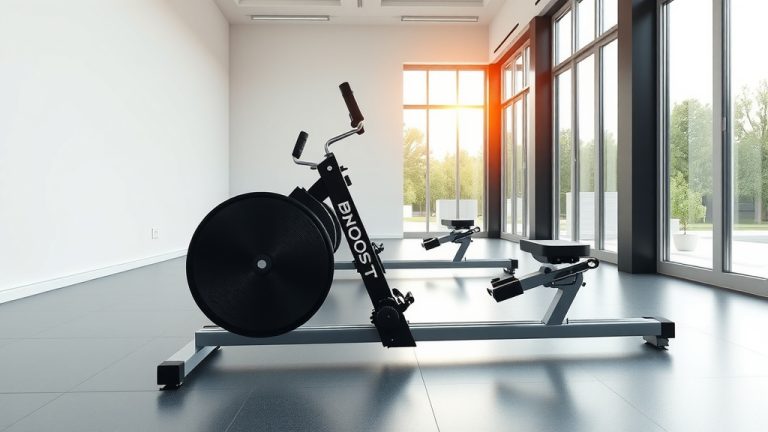
How Big Is A Rowing Machine?
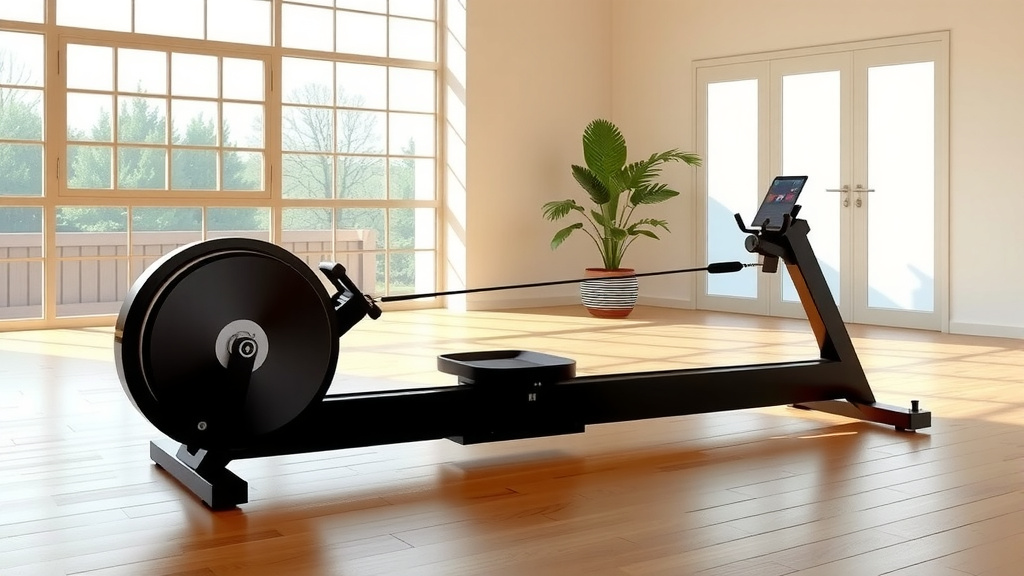
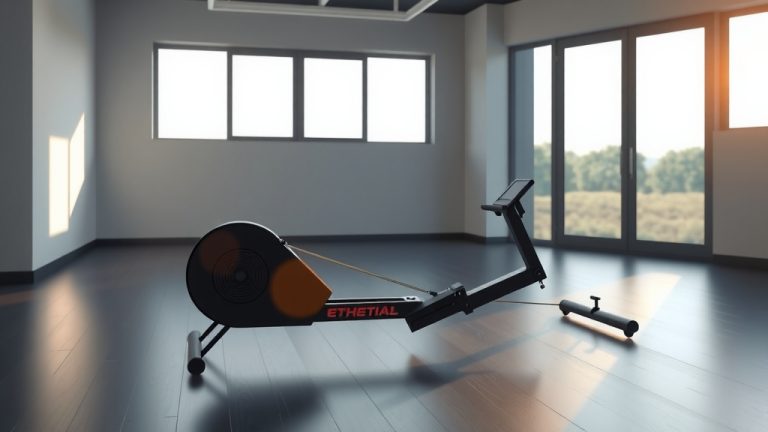
A rowing machine typically ranges from 7 to 8 feet (213-244 cm) long, 1.5 to 2 feet (45-60 cm) wide, and 2 to 3 feet (60-90 cm) high, though sizes vary by model and type. When in use, you’ll need additional space around the machine for a full range of motion, often requiring a total area of about 9 x 4 feet (275 x 120 cm).
Most rowing machines are quite long to accommodate the sliding seat and your full stroke, making their length the primary consideration for your home gym. Many modern designs offer folding capabilities to reduce their storage footprint significantly, helping you reclaim your space.
- You’ll discover that a rowing machine needs a substantial length, around 7-8 feet, to operate properly.
- The width is usually 1.5-2 feet, fitting well in most rooms, but don’t forget arm and leg clearance.
- Many models fold or stand upright, cutting down their storage size by nearly half.
- Consider the machine type – air, water, magnetic, or hydraulic – as each can influence its physical dimensions.
- Measuring your available space and considering the “in-use” footprint is essential before you buy.
How Big Is A Rowing Machine?
The size of a rowing machine is a key factor when you’re thinking about adding one to your home. Most models are typically quite long, falling in the range of 7 to 8 feet in length. You’ll also find they are about 1.5 to 2 feet wide and usually stand 2 to 3 feet high.
The biggest consideration is often the length, as this allows for your full rowing stroke. Don’t just think about the machine itself, though; you need extra room for you to actually use it comfortably.
Understanding the Rowing Machine Footprint
When you place a rowing machine in your home, you’re not just looking at its static dimensions. You need to consider the “footprint” it creates during actual use. This includes the space for your body to move forward and back on the seat.
Many experts recommend adding at least 1-2 feet of clearance at the front and back of the machine. This ensures you won’t bump into walls or furniture during your workout. Think about the space as a dynamic zone, not just a static measurement.
Typical Dimensions of Popular Rowing Machine Types
Rowing machines come in various types, and each can have slightly different average sizes. We found that air and water rowers tend to be the longest, while magnetic and hydraulic piston rowers can sometimes be more compact. This difference often comes down to their resistance mechanisms.
For instance, water rowers often mimic the feel of rowing on water, requiring a longer frame for the tank and rail. Hydraulic piston machines, using cylinders, are frequently the smallest. Research often connects machine size to its design and intended user experience (American Council on Exercise).
| Rowing Machine Type | Average Length | Average Width | Average Height | Typical Storage Size (Folded/Upright) |
|---|---|---|---|---|
| Air Rower | 8-9 ft (244-274 cm) | 2 ft (60 cm) | 2-3 ft (60-90 cm) | 3 ft L x 2 ft W x 4.5 ft H |
| Water Rower | 7-8 ft (213-244 cm) | 1.8 ft (55 cm) | 1.5-2 ft (45-60 cm) | 1.5 ft L x 1.8 ft W x 7 ft H |
| Magnetic Rower | 6-7.5 ft (183-229 cm) | 1.5 ft (45 cm) | 1.5-2 ft (45-60 cm) | 3.5 ft L x 1.5 ft W x 4.5 ft H |
| Hydraulic Piston Rower | 4-5 ft (122-152 cm) | 2-3 ft (60-90 cm) | 1.5-2 ft (45-60 cm) | 2 ft L x 2 ft W x 4 ft H |
Length: The Primary Consideration
You’ll notice that the length is almost always the most significant dimension for a rowing machine. This is because your seat needs to slide a good distance to allow for a complete and effective rowing stroke. If the machine is too short, your workout might feel cramped.
Think about your height too. Taller individuals generally need longer slide rails for a full leg extension. We found that many manufacturers provide user height limits, which indirectly tells you about the required rail length for comfort.
Width: Don’t Forget Your Elbows
While not as imposing as the length, the width of a rowing machine is still important. Most rowers are between 1.5 to 2 feet wide. This measurement accounts for the main frame and sometimes the handles at their widest point.
Remember, you’ll need space for your arms and elbows to move freely during your stroke. You don’t want to constantly brush against a wall or another piece of furniture. A little extra breathing room around the sides goes a long way for comfort.
Height: Seat and Monitor Levels
The height of a rowing machine typically refers to the top of the monitor or the highest point of the frame. This usually falls between 2 to 3 feet. The seat height also varies, with some models offering a higher seat for easier mounting and dismounting.
Consider if you have low ceilings or need to store the machine under something. While not usually an issue for use, height can become a factor when storing the machine upright or folded.
Factors That Influence Rowing Machine Size
Several things can make one rowing machine bigger or smaller than another. The type of resistance mechanism is a big one. For example, water tanks require more space than magnetic flywheels. Also, the overall build quality and stability can affect dimensions.
Some premium models might feature larger frames for added durability or to accommodate a wider range of user sizes. Don’t forget any added features, like larger monitors or integrated storage compartments, which can also influence the machine’s footprint.
Space Requirements for Active Use
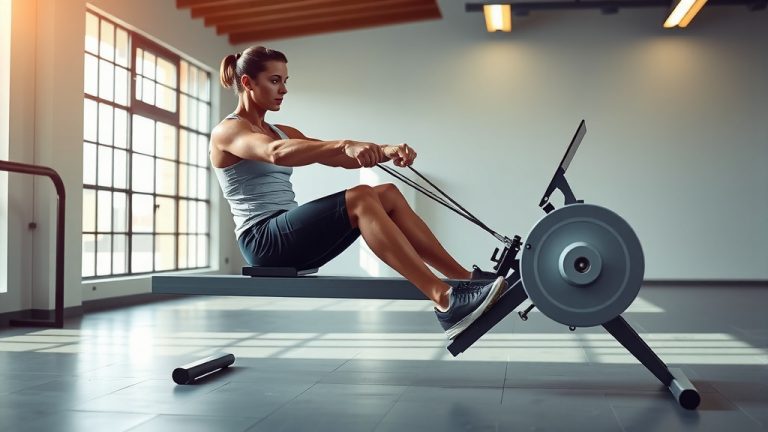
To truly use your rowing machine comfortably, you need more than just its physical dimensions. Imagine yourself sitting on the machine and pulling the handle. Your feet push off, and your arms extend. You’re covering a larger area than the machine itself.
Many experts suggest allocating a space that’s roughly 9 feet long by 4 feet wide for a comfortable workout. This ensures you have ample room for movement and won’t feel restricted. It’s like leaving enough space for a car to turn, not just park.
Rowing Machines for Smaller Spaces
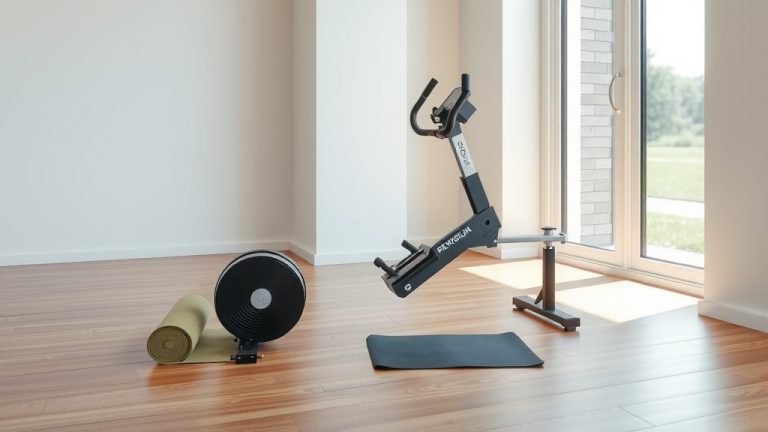
Living in a smaller apartment or home doesn’t mean you can’t own a rowing machine. Many manufacturers design models specifically with space-saving in mind. These often feature folding frames or the ability to stand upright for storage.
You might find compact hydraulic piston rowers or magnetic rowers with clever folding mechanisms. While they might not offer the same “on-water” feel as a large water rower, they provide an excellent full-body workout without dominating your living area.
Foldable vs. Upright Storage: What’s Best for You?
When considering storage, you have two main options for many models: folding or standing upright. A foldable rower shortens its length by bringing the two ends together. This can cut its footprint significantly, making it easier to tuck away.
Machines designed for upright storage typically have wheels and can be tilted onto their end. This dramatically reduces their floor space requirement, turning a long machine into a tall, narrow one. We found that both methods are effective, it just depends on your available storage height versus length.
Measuring Your Space: A Quick Checklist
Before you commit to a purchase, grab a tape measure. You’ll thank yourself later for doing this. Here’s a simple checklist to guide you:
- Measure the length of your available workout area.
- Measure the width of your available workout area.
- Consider the height, especially if storing upright.
- Account for any nearby furniture or doorways.
- Visualize yourself rowing in that space.
Don’t Forget About Headroom!
While most rowers are relatively low to the ground, remember that you are sitting on the machine. If you’re tall and have low ceilings, or if you plan to place the rower under a slanted roof, you’ll want to check your headroom. This is a common oversight that can cause discomfort during your workout (National Institutes of Health).
Conclusion
Choosing the right rowing machine size means looking beyond just the numbers on the box. You need to think about its length, width, and height, but also the dynamic space you’ll occupy while rowing. The type of rower and its storage options significantly influence how it fits into your home.
By carefully measuring your space and considering whether you need a foldable or upright model, you can find a rowing machine that delivers an effective workout without overwhelming your living area. It’s all about finding that perfect balance between function and fit.
How much space do I need for a rowing machine?
You generally need about 9 feet (275 cm) in length and 4 feet (120 cm) in width to comfortably use a rowing machine, allowing for your full range of motion. This is more than just the machine’s static dimensions.
Are rowing machines bigger than treadmills?
Not always. While rowing machines are typically very long, many treadmills can have a larger overall footprint, especially when considering their width and height. Many rowers can also be stored more compactly than treadmills.
Can a tall person use a compact rowing machine?
It depends on the specific compact model. Some compact rowers might have shorter slide rails, which could limit the leg extension for taller individuals. Always check the manufacturer’s recommended user height limits to ensure a comfortable fit.
Do all rowing machines fold for storage?
No, not all rowing machines fold for storage. Many modern models do, or they are designed to be stored upright. However, some heavy-duty or commercial-grade rowers, especially certain water or air resistance types, might have fixed frames.
What is the smallest type of rowing machine available?
Hydraulic piston rowing machines are often the smallest type available. They use hydraulic cylinders for resistance, allowing for a more compact frame compared to air, water, or magnetic rowers. They are ideal for very tight spaces.