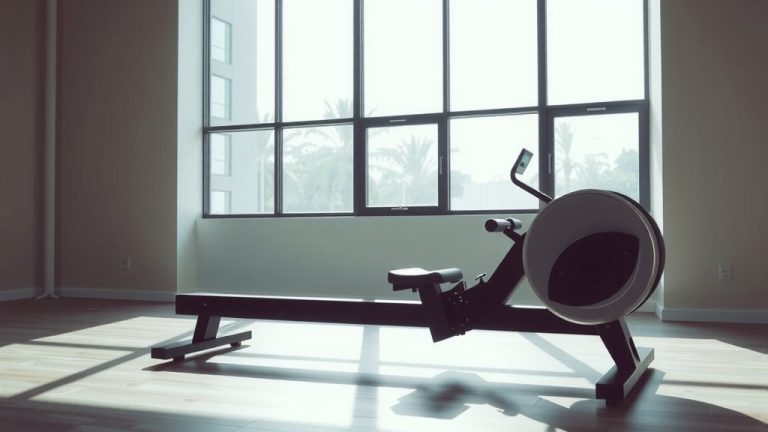
Is Rowing Machine Hard?
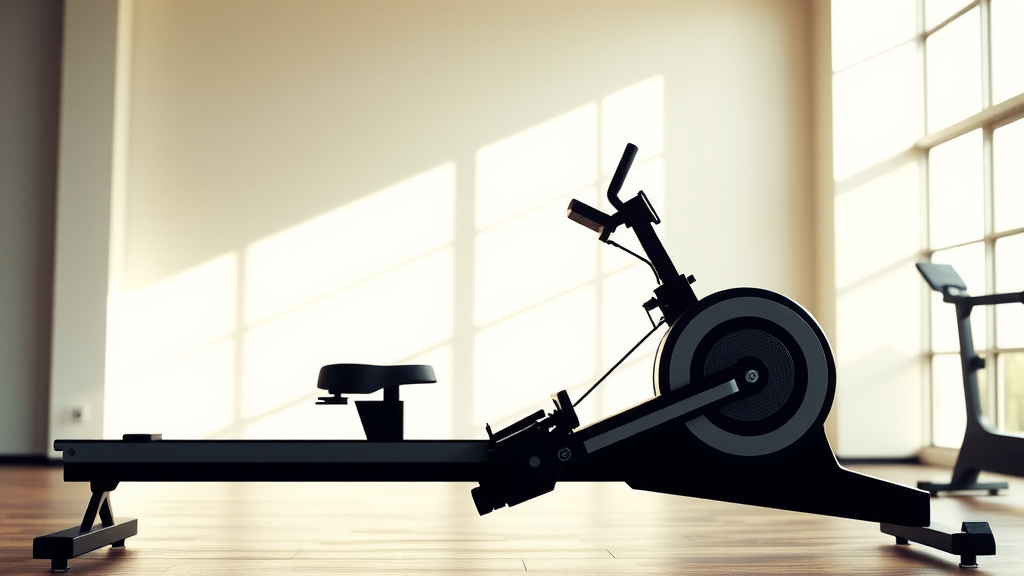
A rowing machine can feel challenging, especially when you’re starting, but it’s not inherently hard if you approach it correctly.
Its perceived difficulty often depends on your fitness level and how you structure your workouts on the rowing machine.
TL;DR:
- Rowing machines offer a full-body workout that you can easily adjust to your fitness level.
- The initial challenge comes from learning proper technique and engaging many muscles simultaneously.
- You control the intensity, making it suitable for beginners and experienced athletes alike.
- Focus on form over speed initially to avoid injury and maximize benefits.
- It’s a rewarding, low-impact exercise for cardiovascular and strength gains.
Is Rowing Machine Hard?
No, a rowing machine isn’t universally hard; its difficulty is largely relative to your fitness level and commitment to learning proper form. You can make it as easy or as challenging as you need.
Why Does it Feel Challenging at First?
Many people find rowing tough initially because it demands coordination and engages nearly 86% of your muscles (American College of Sports Medicine). This extensive muscle activation can be surprising.
The Learning Curve for Form
You need to learn the correct rowing technique, which involves a specific sequence of movements. Without it, you might feel awkward or use the wrong muscle groups, leading to fatigue quickly.
Understanding the Full-Body Engagement
Unlike a treadmill or stationary bike, rowing works your legs, core, back, and arms all at once. This holistic demand can make you feel more out of breath or muscularly fatigued sooner.
It’s More Than Just Legs
While your legs provide the initial power, your core stabilizes, and your back and arms finish the stroke. Ignoring any of these phases will make the exercise feel inefficient and harder.
Mastering the Stroke: Form is Everything
Good form transforms rowing from a struggle into a powerful, efficient movement. We often find that correct technique helps you workout smarter, not harder, preventing early burnout.
The Four Phases of a Rowing Stroke
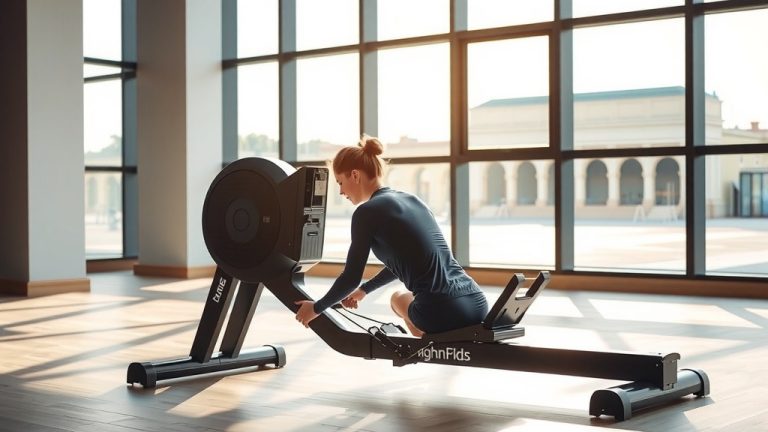
The stroke breaks down into four parts: The Catch, The Drive, The Finish, and The Recovery. Understanding each phase helps you optimize your power and endurance.
- The Catch: Knees bent, arms extended, shins vertical.
- The Drive: Push powerfully with your legs first, then lean back slightly, pulling arms in.
- The Finish: Legs extended, core engaged, handle near your ribs.
- The Recovery: Extend arms, lean forward, then bend knees to return to The Catch.
Common Form Mistakes to Avoid
Many beginners pull with their arms too early or round their back. These errors reduce efficiency and can cause discomfort (Mayo Clinic), making the rowing machine feel much harder.
Scaling Your Workout: You Control the Difficulty
The beauty of the rowing machine is its adaptability. You decide how hard or easy your session will be, making it suitable for any fitness level, from novice to elite.
Adjusting Resistance Levels
Most rowers have a damper or resistance setting. A higher setting doesn’t necessarily mean a better workout; it can just feel heavier. We recommend starting with a moderate setting and focusing on fluidity.
Pace and Duration: Your Best Friends
You can adjust your strokes per minute (SPM) and workout duration. Start with shorter, slower sessions (e.g., 10 minutes at 20 SPM) and gradually increase as your stamina improves.
Benefits That Make the “Hard” Worthwhile
Despite any initial challenge, the rewards of consistent rowing are significant. Research shows it’s an excellent way to improve overall health and fitness (Harvard Health Publishing).
Full-Body Muscle Activation
Rowing engages major muscle groups in your legs (quads, hamstrings, glutes), core, back (lats, rhomboids), and arms (biceps, triceps). It provides a truly comprehensive workout.
Cardiovascular Health Boost
As an aerobic exercise, rowing significantly strengthens your heart and lungs. Regular sessions can lower blood pressure and improve your body’s oxygen utilization.
Low-Impact, High-Reward
Unlike running, rowing is gentle on your joints. This makes it a fantastic option if you have joint sensitivities or are recovering from certain injuries, offering high benefits with minimal joint stress.
Making Rowing Easier and More Enjoyable
If you’re finding the rowing machine tough, remember there are simple ways to ease into it. Think of it like learning to ride a bike; practice makes it smooth and natural.
Start Slow, Build Gradually
Don’t try to row for 30 minutes at top speed on day one. Begin with 5-10 minute sessions focusing solely on form. You’ll build endurance and technique without feeling overwhelmed.
Embrace Variety in Workouts
Mix up your routine! Try interval training (short bursts of high intensity followed by rest) or steady-state rows. Different workouts keep things interesting and challenge your body in new ways.
Consider this checklist to make your rowing journey smoother:
- Watch instructional videos for proper form.
- Start with low resistance and short durations.
- Focus on pushing with your legs first, not pulling with arms.
- Take breaks when needed, listen to your body.
- Set small, achievable goals, like adding one minute each week.
Here’s a quick guide to understanding workout intensity:
| Intensity Level | Perceived Effort | Target SPM (approx.) |
|---|---|---|
| Easy/Warm-up | Conversational, comfortable | 18-22 |
| Moderate | Can speak short sentences | 22-26 |
| Hard/Intervals | Breathing heavily, difficult to talk | 28+ |
Consistency is Your Ally
Regular, even short, rowing sessions build strength and stamina quickly. Skipping days makes it feel like you’re starting over. Aim for 3-4 sessions a week to see progress.
Conclusion
So, is a rowing machine hard? It presents a challenge, yes, but it’s a scalable and rewarding challenge. With proper form, gradual progression, and a positive mindset, you can master it.
You’ll quickly discover the incredible full-body benefits and the sense of accomplishment that comes with each stroke. Don’t let initial feelings of “hard” deter you from an exercise that offers so much for your fitness journey.
Frequently Asked Questions
Is rowing good for losing belly fat?
Rowing is excellent for burning calories and building muscle, which can contribute to overall fat loss, including belly fat. We found that consistent cardiovascular exercise, like rowing, is key to reducing body fat (NIH).
How long should a beginner row for?
A beginner should start with 10-15 minute sessions, focusing on learning proper form rather than speed or distance. You can gradually increase duration by 1-2 minutes each week as your endurance improves.
Does rowing tone your arms?
Yes, rowing tones your arms, specifically your biceps and triceps, as they are actively involved in the pulling phase of the stroke. However, it’s primarily a leg-driven exercise.
Can I row every day?
While you certainly can row daily, especially if you vary intensity, we often recommend incorporating rest days. This allows your muscles to recover and rebuild, preventing overuse injuries and ensuring optimal progress.
Is a rowing machine good for bad knees?
Many experts consider rowing machines suitable for individuals with “bad knees” because it’s a low-impact exercise. The movement is controlled and avoids the jarring impact found in activities like running, making it generally safer for joints.