Is A Rowing Machine Good For Bad Knees?
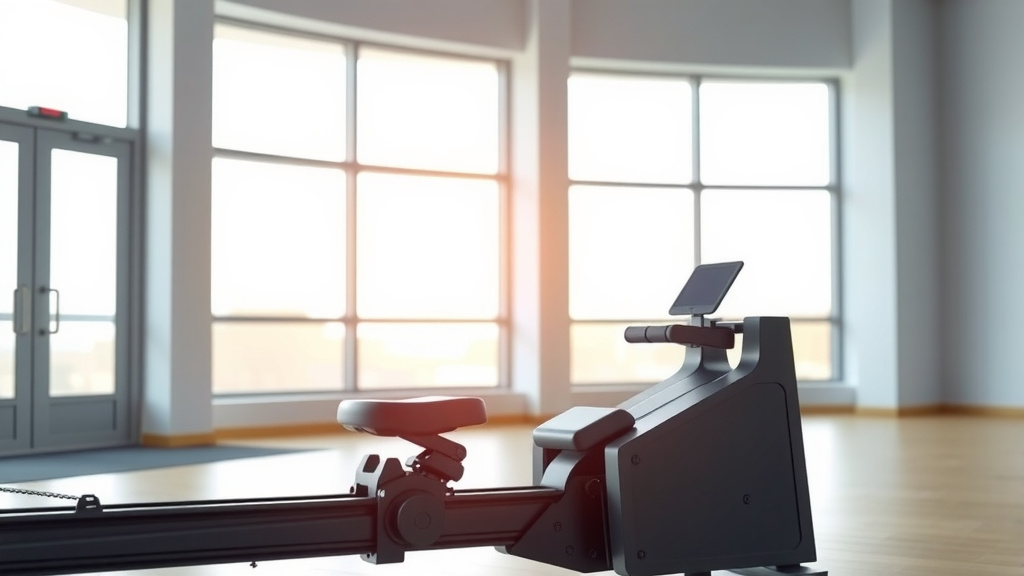
Yes, a rowing machine can be an excellent option for bad knees, offering a low-impact workout that strengthens supporting muscles without jarring joints. It allows you to build fitness and improve leg strength safely.
The smooth, controlled motion of rowing keeps your knees protected, making it a knee-friendly exercise choice compared to high-impact activities like running.
- A rowing machine is generally safe for bad knees because it’s low-impact.
- It helps strengthen the muscles around your knees, giving them better support.
- Proper rowing form is key to protecting your knees and preventing strain.
- Always listen to your body and adjust your intensity if you feel any pain.
- Consult your doctor or a physical therapist for personalized advice on exercise with knee issues.
Is A Rowing Machine Good For Bad Knees?
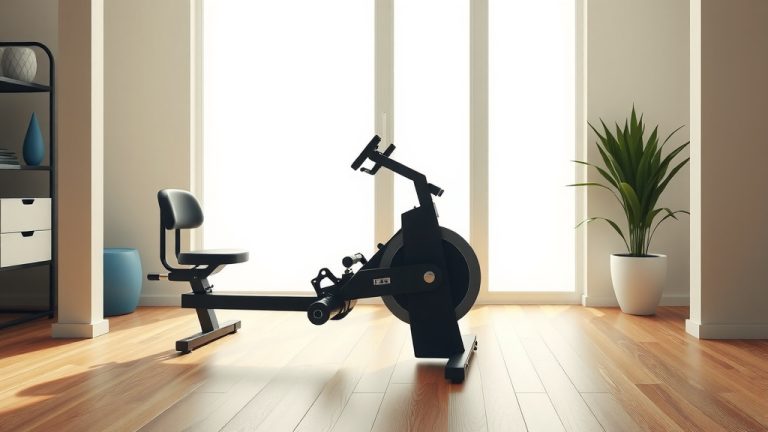
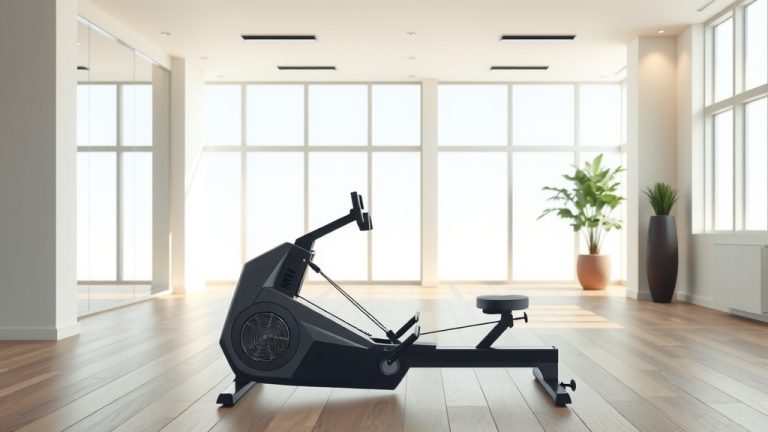
A rowing machine is often a great choice if you have knee issues. We found that its low-impact nature makes it very gentle on your joints. This machine lets you get a full-body workout without the pounding stress you might find in other exercises.
Why Your Knees Might Feel Bad
Knee pain can truly slow you down, can’t it? Many people experience discomfort from various causes. Sometimes it’s from past injuries, or conditions like osteoarthritis, where the cartilage wears down. For others, it might be overuse or just general stiffness. Understanding your knee’s limits is the first step.
Many guidelines point to activities that avoid excessive impact (Mayo Clinic). This means less jumping or running on hard surfaces. Your knees bear your body weight, and high-impact actions multiply that force. Finding exercises that reduce this impact is crucial for comfort and recovery.
Low-Impact: A Knee’s Best Friend
Imagine your knee as a well-oiled hinge. High-impact exercises can bang that hinge around. A rowing machine works more like a smooth, sliding motion. It offers a fluid, controlled exercise that protects your knee joints from sudden shocks or twists.
This means you can work your legs and heart without worrying about extra pressure. Research often connects low-impact activities with better joint health (NIH). You get to enjoy the benefits of exercise while keeping your knees happy.
Rowing Motion Explained
The rowing stroke has four phases: the catch, the drive, the finish, and the recovery. During the drive, your legs push powerfully. But this push happens in a controlled way, without impact. Your feet stay connected to the foot stretchers, guiding the movement smoothly.
Think of it like a gentle glide rather than a stomp. This controlled movement allows your muscles to work hard. The knees bend and straighten in a natural path, avoiding awkward angles or sudden stops. It’s a dance of strength and fluidity for your body.
Muscle Support for Your Knees
Strong muscles around your knees are like a natural support system. They help stabilize the joint and absorb some of the forces acting on it. A rowing machine is fantastic for building this kind of strength. It targets major muscle groups in your legs and core.
When these muscles are strong, your knees have better protection. They can handle everyday movements with less strain. Many experts say that strengthening surrounding muscles is key for managing knee pain (Cleveland Clinic).
Quadriceps and Hamstrings
The quadriceps are at the front of your thigh; hamstrings are at the back. Both play a huge role in knee stability. Rowing engages both groups effectively. As you push back, your quads work, and as you return, your hamstrings engage.
This balanced strengthening helps keep your knee cap tracking correctly. It ensures that no single muscle group becomes too dominant or weak. This balance is really important for long-term knee health.
Glutes and Core Power
Don’t forget your glutes (buttocks) and core muscles! They are your body’s powerhouses. Strong glutes help align your hips and knees, reducing inward knee collapse. A solid core helps you maintain proper posture throughout the rowing stroke.
When your core is strong, your back is supported. This allows your leg muscles to focus on their job without your lower back compensating. It’s all connected, like a well-built house. Strong foundations make everything else stable.
Proper Form: Your Knee’s Guardian Angel
Good form is everything when rowing, especially with bad knees. It ensures you’re working the right muscles and not putting undue stress on your joints. Imagine a conductor leading an orchestra – every movement has a purpose.
Many guides emphasize the importance of form for injury prevention. Without it, even a low-impact exercise can become problematic. We’ve found that paying close attention to your body’s movements protects you best.
Common Mistakes to Avoid
- Rounding your back: This puts stress on your spine and can affect leg drive.
- “Shooting” your seat back too fast: Leads to a jerky motion, bad for knees and back.
- Over-compressing at the catch: Don’t let your heels lift too high off the foot stretchers. This puts too much bend on your knees.
- Leaning back too far at the finish: Can strain your lower back.
- Pulling with your arms too early: Let your legs do the work first, then your core and arms follow.
Choosing the Right Rowing Machine
Picking a rowing machine can feel like choosing a new car. You want one that fits your needs. While all types offer a low-impact workout, some might feel better for your knees. Consider the smoothness of the stroke and seat comfort.
We found that a smooth glide is key for comfort. The seat should be stable and allow for easy movement. There are different resistance types, each with a slightly different feel. Your personal preference matters a lot here.
Air vs. Water vs. Magnetic
Here’s a quick look at common rowing machine types:
| Resistance Type | Feel for Knees | Key Feature |
|---|---|---|
| Air Resistance | Generally smooth, variable resistance. | Resistance increases with effort. |
| Water Resistance | Very smooth, natural “on-water” feel. | Quiet, consistent resistance. |
| Magnetic Resistance | Can be very smooth, adjustable levels. | Quiet, precise resistance control. |
Listening to Your Body
Your body is smart. It tells you when something isn’t right. If you feel any sharp pain in your knees while rowing, stop immediately. Mild discomfort might mean you need to adjust your form or reduce intensity.
Pushing through pain can make knee problems worse. It’s better to take a break or modify your workout. Think of it as a conversation with your body. Are you truly listening to what it says? Pacing yourself is often the smartest move.
When to Talk to a Doctor
While rowing is knee-friendly, it’s not a cure-all for every knee problem. If you have chronic knee pain, recent injury, or any concerns, talk to your doctor. They can offer personalized advice based on your specific condition.
A physical therapist can also be a wonderful resource. They can assess your form and suggest modifications. Many experts recommend getting professional advice before starting new exercise routines, especially with existing issues.
Pre-Workout Warm-up for Knees
Always warm up before you row! A good warm-up prepares your muscles and joints for activity. Start with 5-10 minutes of light cardio, like walking. Then, do some dynamic stretches focusing on your legs and hips. This gets the blood flowing and makes your knees more pliable.
Post-Workout Cool-down
After your rowing session, cool down. Spend 5-10 minutes doing gentle static stretches. Focus on your hamstrings, quads, and calves. Holding each stretch for 20-30 seconds can help improve flexibility and prevent stiffness. It’s like gently unwinding after a busy day.
Your Knee-Friendly Rowing Checklist
- Start with a proper warm-up.
- Maintain good posture and technique.
- Keep your heels grounded in the foot stretchers for as long as possible.
- Control the recovery phase – don’t rush forward.
- Listen to your body, stop if there’s sharp pain.
- Progress slowly, don’t increase intensity too fast.
Conclusion
So, is a rowing machine good for bad knees? The answer is a resounding yes for many people. It truly stands out as a valuable low-impact exercise. Rowing strengthens the crucial muscles around your knees without the harsh impacts. Remember, good form is your best ally. Listen to your body and always consult with a doctor or physical therapist if you have concerns. With the right approach, you can enjoy a full-body workout and support your knee health at the same time.
FAQs
Can rowing make knee pain worse?
If done with poor form or excessive intensity, any exercise can worsen pain. However, with correct technique and listening to your body, rowing is typically safe and often beneficial. If you feel increased pain, stop and check your form or consult a professional.
What is the best way to modify rowing for very sensitive knees?
For very sensitive knees, you might shorten your stroke length slightly, focusing on less deep knee bends. Also, try lighter resistance and a slower, more controlled pace. Ensure your foot straps are snug to prevent your feet from lifting too much.
Are there any specific knee conditions that make rowing a bad idea?
While generally safe, severe conditions like acute meniscal tears, certain ligament injuries, or advanced osteoarthritis might need caution. Always seek guidance from your doctor or physical therapist before starting. They can advise based on your unique knee health.
How often should I row if I have bad knees?
Begin with shorter sessions, perhaps 15-20 minutes, two to three times a week. Gradually increase your duration and frequency as your knees adapt and feel comfortable. Consistency is more important than intense, sporadic workouts. Allow rest days between sessions.
What other low-impact exercises are good for bad knees?
Besides rowing, swimming, cycling (especially recumbent bikes), and elliptical trainers are excellent low-impact options. Walking on softer surfaces or using a treadmill with some incline can also be gentle. Bodyweight exercises for strengthening without impact are also very helpful.