How To Assemble A Rowing Machine?
Assembling a rowing machine typically takes 30-90 minutes, depending on the model and your DIY experience.
You’ll need basic hand tools, often included, and a clear, flat workspace to effectively assemble your new rowing machine.
Here’s a quick overview of what to expect:
- Gather your tools and prepare your workspace before you start.
- Follow the instruction manual step-by-step for your specific model.
- Most assembly involves connecting the rail, seat, stabilizers, and the resistance unit.
- Double-check all bolts and connections to ensure everything is secure and safe.
- Expect the process to be straightforward, even if you’re new to DIY projects.
How To Assemble A Rowing Machine?
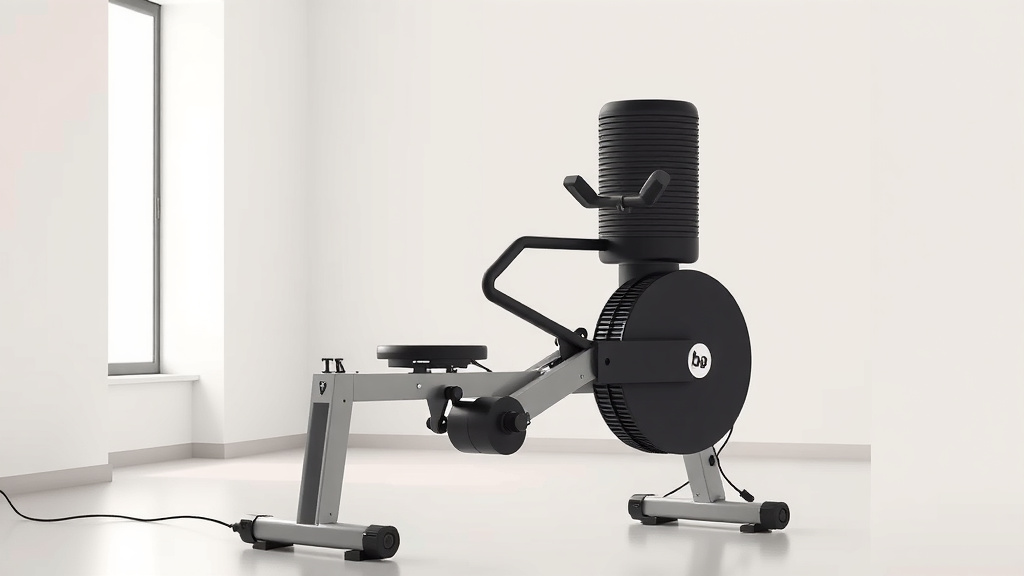
Assembling a rowing machine involves attaching the main frame components, the seat, monitor, footrests, and its resistance mechanism.
It’s a straightforward process that typically takes less than an hour for most home models.
Why Assemble It Yourself?
Putting together your own rowing machine offers a few advantages. You save on potential assembly fees, for one.
More importantly, it helps you understand your machine’s parts better. This knowledge can be useful for future maintenance or troubleshooting.
Before You Begin: Preparation is Key
Think of assembling your rower like preparing for a workout. You wouldn’t skip your warm-up, right?
Proper preparation makes the assembly process much smoother and faster. It helps prevent frustration later on.
Choosing Your Assembly Space
Find a spacious, well-lit, and flat area. You’ll be moving large parts around, so give yourself room to breathe.
A sturdy surface like a garage floor or a cleared living room is ideal. Avoid assembling on thick carpet if possible, as it can make things wobbly.
Unpacking and Inventory
Carefully unpack all components from the box. Lay everything out. Does the box look like a bomb exploded inside?
We found that many manufacturers label parts clearly (Consumer Reports). Check your instruction manual against all the pieces you have.
Are any parts missing? Are there any damaged pieces? It’s much easier to contact customer support before you’ve started building.
Gathering Your Tools
Most rowing machines come with the necessary tools, like Allen wrenches or basic spanners.
However, having your own adjustable wrench or a screwdriver set nearby can be helpful. A rubber mallet sometimes aids in seating parts gently.
| Common Tools You Might Need | Description |
|---|---|
| Allen Wrenches (Hex Keys) | Used for hexagonal bolts, usually included with the rower. |
| Adjustable Wrench | Helpful for various nut sizes, good to have if your kit is missing one. |
| Screwdriver (Philips/Flathead) | For attaching monitor screens or smaller covers. |
| Rubber Mallet | Gently tap components into place without damage. |
| Box Cutter / Scissors | For opening packaging and cutting zip ties. |
Step-by-Step Rowing Machine Assembly
While models differ, the general sequence for how to assemble a rowing machine remains quite similar across brands.
Always refer to your specific manual, but this guide gives you the big picture.
Attaching the Stabilizers and Front Frame
Often, you start by securing the front and rear stabilizers to the main frame. These pieces provide the machine’s base.
Make sure they are firmly attached and level. You don’t want your rower wobbling during a workout!
Connecting the Monorail and Seat
Next, you’ll typically connect the long monorail (or slide rail) to the main body. This is where your seat will glide.
Slide the seat onto the monorail before securing the rail fully. It’s usually easier this way.
Mounting the Footrests and Pedals
The footrests are crucial for a stable stroke. They usually attach to the front frame.
Ensure the straps are correctly threaded and the footrests are secure and symmetrical.
Installing the Monitor/Console
The monitor typically attaches to a small arm at the front of the machine. Connect any necessary wires or sensors.
This is usually a simple click-in or screw-on process. Double-check your connections for power.
Assembling the Resistance System (If Applicable)
Depending on your rower type (air, magnetic, water), this step might involve different actions.
For water rowers, you’ll fill the tank after assembly. Magnetic or air rowers have internal systems you usually don’t touch.
Attaching the Handle and Straps
Finally, attach the pulling handle to its chain or strap. Make sure it moves freely and retracts smoothly.
This completes the main physical assembly of your rowing machine.
Your Post-Assembly Checklist
Before you jump on for your first workout, a quick check ensures safety and proper function.
- Are all bolts and screws securely tightened?
- Does the seat roll smoothly along the rail?
- Do the footrests feel stable and secure?
- Is the monitor powered on and displaying correctly?
- Does the resistance system feel consistent and change appropriately?
- Are there any strange noises or loose parts when you move the machine slightly?
Troubleshooting Common Assembly Issues
Sometimes, things don’t go exactly as planned. Don’t worry, you’re not alone.
If parts don’t fit, re-check the manual’s diagrams. Are you using the correct screw for the right hole? It happens.
If the seat wobbles, check the rail connections and ensure the seat wheels are properly seated. Many experts say patience is key here (Mayo Clinic).
What If It Doesn’t Work Right Away?
If your monitor doesn’t turn on, check the battery compartment and wire connections. Sometimes a simple wire is pinched.
If resistance feels off, consult your manual for specifics on adjusting it. Some models require calibration.
Conclusion
Assembling a rowing machine might seem like a big task, but it’s genuinely manageable for most people. By taking your time, preparing well, and following the instructions, you’ll have your rower ready for action.
Remember, this process is an investment in your fitness journey. You’ve just built the first step towards a stronger, healthier you. Now, get ready to row!
How long does it take to assemble a rowing machine?
Most home rowing machines can be assembled within 30 to 90 minutes. The exact time depends on the specific model, the clarity of the instructions, and your experience with DIY projects.
Do all rowing machines come with tools for assembly?
Yes, nearly all rowing machines designed for home use include the basic tools required for assembly, such as Allen wrenches and sometimes a small spanner. You might find a rubber mallet or an extra screwdriver helpful, though.
Can one person assemble a rowing machine alone?
Most rowing machines can be assembled by one person. However, some larger or heavier components might be easier to handle with a second person, especially when attaching the main rail or moving the assembled machine.
What should I do if parts are missing from my rowing machine box?
If you discover missing parts, immediately stop assembly and contact the manufacturer’s customer service. Have your purchase details and the part numbers from the manual ready to speed up the process.
Is it normal for a new rowing machine to make some noise?
A new rowing machine will produce some operational noise, which varies by resistance type (air, water, magnetic). However, unusual squeaks, clunks, or grinding sounds are not normal and should prompt a check of all connections and parts.