Does Rowing Machine Count As Strength Training?
Yes, a rowing machine offers a unique blend of cardiovascular work and muscle engagement that contributes to strength training, especially for your posterior chain.
While it won’t build bulk like heavy lifting, rowing machines challenge multiple major muscle groups, promoting muscular endurance and overall body strength.
- Rowing is a fantastic full-body workout, blending cardio and strength.
- You’ll build muscular endurance more than pure bulk.
- It targets your legs, core, and upper body in one smooth motion.
- To boost strength, focus on proper form and consistent resistance.
- Think of rowing as a way to build functional strength for daily life.
Does Rowing Machine Count As Strength Training?
Absolutely, a rowing machine certainly counts as strength training, but perhaps not in the way you might traditionally think of lifting weights. It offers a powerful blend of muscle work and cardiovascular challenge. You’re getting a lot more than just a cardio workout.
Understanding What Strength Training Truly Means
When you think of strength training, images of barbells and dumbbells might pop into your head. But at its core, strength training is any physical activity that builds muscle strength and endurance. This happens by making your muscles work against resistance.
This resistance can come from weights, your own body weight, or even the drag system of a rowing machine. The goal is to challenge your muscles, causing them to adapt and become stronger. You are constantly pulling against something.
How Your Rower Engages Major Muscle Groups
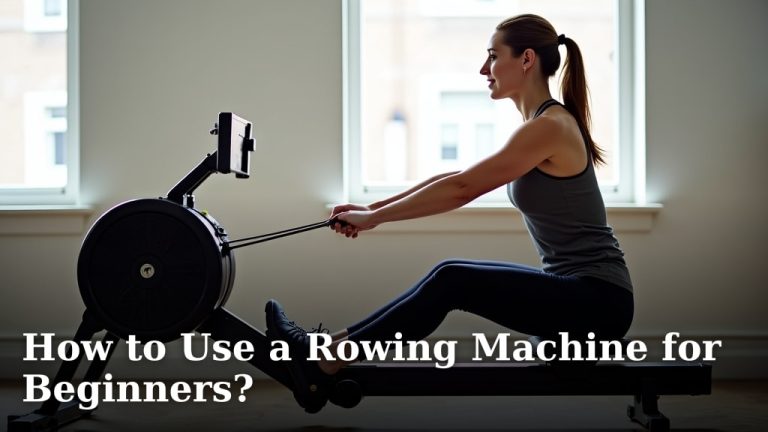
A rowing machine is a true full-body experience. It requires a synchronized effort from many parts of your body, from your toes to your fingertips. This makes it an excellent tool for developing balanced muscularity.
We often find that the power of the stroke comes mainly from your legs, then your core, and finally your arms and back. It is a seamless chain reaction of muscle activation. You’re using a lot of muscle, all at once.
The Powerhouse: Your Legs and Glutes
Think about the drive phase of the row, where you push off the foot stretcher. This explosive movement primarily uses your quads, hamstrings, and glutes. These are some of the largest and strongest muscles in your body.
Each powerful push helps to build strength in these areas, making daily movements like climbing stairs or lifting objects easier. You’re essentially doing a leg press with every stroke. That builds real leg power.
The Stabilizer: Your Core Muscles
Your core acts as the bridge between your upper and lower body during rowing. It stabilizes your torso and transfers power from your legs to your upper body. A strong core is essential for efficient rowing and preventing injury.
You’ll feel your abs, obliques, and lower back working hard to maintain good posture throughout the stroke. This constant engagement provides excellent core strengthening. Imagine holding a plank for a long time.
The Pullers: Your Back and Arms
As you finish the stroke, your back muscles, including your lats and rhomboids, contract to pull the handle towards your body. Your biceps and forearms assist in this pulling motion. This targets a lot of upper body muscle groups.
This phase builds strength in your upper back and arms, improving your posture and overall pulling power. Many experts say a strong back is key for daily function (Mayo Clinic). Rowing definitely helps with that.
Muscular Endurance vs. Hypertrophy: What to Expect
It’s important to differentiate between different types of strength. Rowing excels at building muscular endurance. This means your muscles can perform repeated actions for longer periods without tiring.
While rowing does build some muscle size (hypertrophy), especially if you use higher resistance, it’s generally not the primary goal. You won’t look like a bodybuilder, but you’ll certainly be strong and fit. Think lean, functional muscle.
Maximizing Strength Gains on Your Rower
If building strength is a top priority for you, you can absolutely tailor your rowing workouts. It’s all about how you approach your strokes. Don’t just pull aimlessly. Make every stroke count.
We found that focusing on specific elements can really amplify your results. It’s not just about speed, but about deliberate, powerful movements. You have control over your workout intensity.
Adjusting Resistance (Damper Setting)
Most rowers have a damper setting that controls how much air enters the flywheel, influencing the “feel” of the stroke. A higher damper setting means more resistance, requiring more effort. This is where you can challenge your muscles more directly.
Experiment with higher settings for shorter, more intense bursts to focus on power. Lower settings are better for longer, steady-state cardio. Find what feels right for your strength goals.
Focusing on Power and Form
Instead of just trying to go fast, concentrate on generating maximum power with each leg drive. Push hard, keep your core engaged, and drive through your heels. This makes each stroke a mini strength exercise.
Proper form is critical to target the right muscles and prevent injury. Research often connects correct technique with better muscle activation (NIH). Watch some videos, or even record yourself.
Interval Training for Strength
High-intensity interval training (HIIT) on the rower is fantastic for both strength and cardiovascular fitness. Alternate between short bursts of very hard rowing and periods of active recovery. This challenges your muscles intensely.
These short, powerful efforts can stimulate muscle growth and significantly improve your strength endurance. It’s like doing sprints, but for your entire body. You’ll feel the burn in a good way.
Rowing vs. Traditional Weightlifting: A Quick Look
It’s not about choosing one over the other; both have their place in a well-rounded fitness routine. You can combine them for even better results. Each method offers unique advantages.
Here’s a simple comparison to help you understand the differences in their primary focus:
| Feature | Rowing Machine | Traditional Weightlifting |
|---|---|---|
| Primary Focus | Cardio & Muscular Endurance | Muscular Strength & Hypertrophy |
| Muscle Activation | Full-body, synchronized | Isolated muscle groups |
| Impact Level | Very Low Impact | Can be Low to High Impact |
| Workout Style | Rhythmic, steady or interval | Rep-based, often rest between sets |
Integrating Rowing into Your Strength Routine
You don’t have to choose between rowing and other strength exercises. They can actually complement each other wonderfully. Consider rowing as an active warm-up or cool-down. It prepares your body.
Or, use it on “active recovery” days to keep your muscles moving and blood flowing without heavy lifting. It’s a great way to add variety and challenge to your fitness regimen. Many people enjoy the change of pace.
Checklist for Strength-Focused Rowing
Want to make sure your rowing machine workouts are building the strength you desire? Here are some quick tips:
- Prioritize proper rowing form above all else.
- Increase the damper setting for more resistance.
- Focus on a powerful, explosive leg drive.
- Incorporate high-intensity interval training.
- Keep your core engaged throughout the stroke.
- Listen to your body and rest when needed.
Conclusion
So, does a rowing machine count as strength training? The answer is a resounding yes! While it won’t replace heavy barbell squats for maximal strength or muscle bulk, it’s an incredible tool for building muscular endurance, full-body strength, and cardiovascular fitness. You’re working smarter, not just harder.
By understanding how to adjust your workouts and focus on technique, you can truly harness the strength-building potential of your rower. It’s a versatile machine that can help you achieve a well-rounded and functionally strong physique. Keep rowing, keep getting stronger!
How many times a week should I use a rowing machine for strength?
For strength building, aim for 2-3 times per week, allowing rest days in between for muscle recovery. You can mix these with other strength exercises or use dedicated high-resistance rowing sessions.
Can rowing build muscle mass?
Yes, rowing can build some muscle mass, especially if you use higher resistance settings and focus on powerful, explosive strokes. It excels at building lean muscle and muscular endurance rather than significant bulk.
Is rowing better for strength than running?
For strength, rowing is generally superior to running because it actively engages a wider range of muscle groups against resistance. Running is primarily a cardiovascular and lower-body endurance exercise, with less direct strength development.
What part of the body gets strongest from rowing?
Your legs and glutes often get the strongest from rowing, as they initiate the powerful drive phase. Your core and upper back muscles also develop significant strength and endurance from stabilizing and pulling.
Should I combine rowing with weightlifting for optimal strength?
Yes, combining rowing with traditional weightlifting is an excellent strategy for optimal strength. Weightlifting targets specific muscle groups for hypertrophy and maximal strength, while rowing adds full-body endurance, conditioning, and functional strength, creating a very balanced fitness routine.