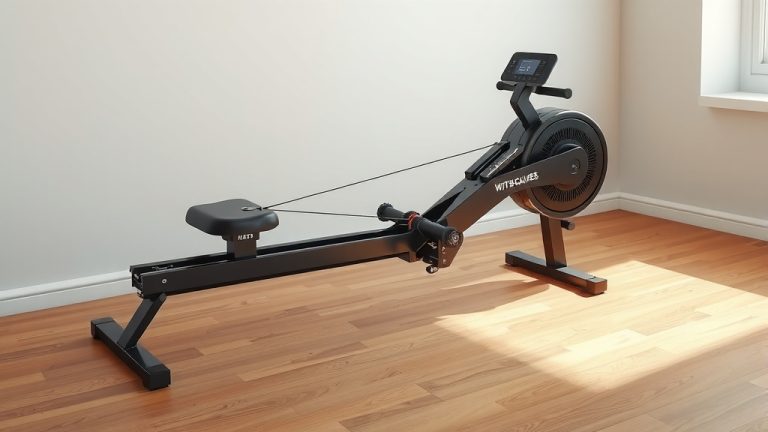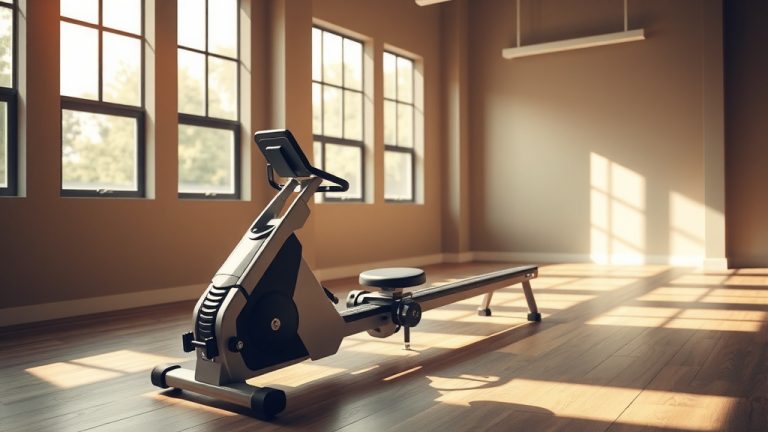
Does A Rowing Machine Work Your Legs?
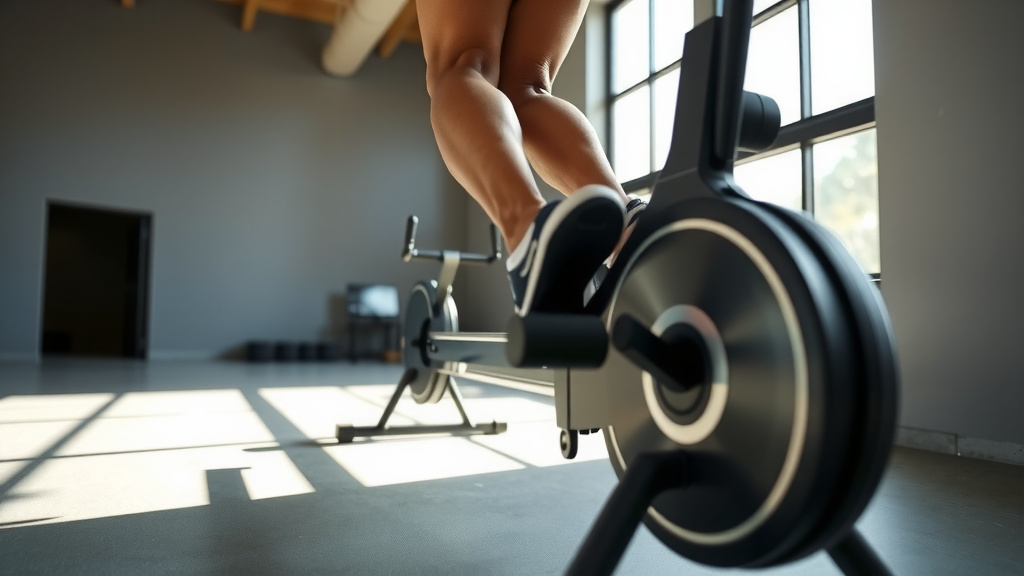
Yes, a rowing machine works your legs significantly, acting as the primary power source for over 60% of each stroke. Your leg muscles are crucial for driving the movement, making rowing a full-body exercise with a strong emphasis on lower body strength and endurance.
A rowing machine is a fantastic tool for building powerful legs, engaging your quadriceps, hamstrings, and glutes to propel your body backward. This dynamic movement strengthens and tones your lower body while also providing an excellent cardiovascular workout.
- The rowing machine is a powerhouse for your legs, responsible for most of the effort in each stroke.
- You’ll engage your quads, hamstrings, and glutes through a powerful push-off.
- It’s a low-impact exercise, gentle on your joints while still building significant leg strength.
- Rowing offers a unique blend of strength training and cardio, making your legs work hard.
- Proper technique ensures you maximize leg drive and get the most out of every row.
Does A Rowing Machine Work Your Legs?
Absolutely, your legs are the true workhorses on a rowing machine. We found that the leg drive accounts for the majority of the power generated in a proper rowing stroke.
Think of it as pushing off a wall with all your might. That’s the feeling your legs should replicate on the rower.
The Powerhouse of Your Rowing Stroke
Many experts say your legs provide around 60-70% of the effort during rowing (Concept2). This makes the rowing machine an exceptional lower body workout.
You’re not just moving a handle; you’re pushing your entire body backward with your legs.
Unpacking the Rowing Stroke: A Leg-Centric View
The rowing stroke has four main phases: the catch, the drive, the finish, and the recovery. Your legs shine brightest during the “drive” phase.
This is where you push powerfully through your feet against the foot stretcher, extending your legs.
The Catch: Getting Ready to Push
At the catch, your knees are bent, shins vertical, and arms extended. Your body is ready to launch forward.
This position primes your leg muscles for explosive action.
The Drive: Leg Power Unleashed
The drive begins with your legs. You push hard, extending your knees and hips, much like a powerful squat or leg press.
This is where the majority of the work happens, sending you gliding back.
The Finish: Sustaining the Power
As your legs finish extending, your core and arms join in to pull the handle. Your legs remain engaged, helping to stabilize your body.
They provide the base for the final segment of the stroke.
The Recovery: Preparing for the Next Drive
During recovery, your legs slowly bend as you return to the catch position. This controlled movement uses your leg muscles in a different way.
It’s a crucial phase for resetting and preparing for the next powerful push.
Muscles in Motion: Beyond Just Quads
While the quadriceps certainly do a lot of heavy lifting, rowing engages a wide array of leg muscles. It’s a comprehensive lower body builder.
You’ll feel it in more places than you might expect.
- Quadriceps: These are the primary muscles for extending your knees during the drive. Think of them as the main engine.
- Hamstrings: They work as stabilizers and help in bending your knees during the recovery phase. They also assist in hip extension during the drive.
- Glutes: Your gluteal muscles are powerful hip extensors, crucial for the initial push-off and generating power. Many people find their glutes really fire up.
- Calves: These muscles help stabilize your feet on the foot stretcher and contribute to the push-off. They ensure a firm connection to the machine.
Why Your Legs Love Rowing: Benefits You’ll Feel
Rowing offers many benefits for your legs, making them stronger, more toned, and more enduring. It’s truly a gift to your lower body.
You’ll notice improvements in everyday activities and other fitness pursuits.
Research often connects regular rowing with improved leg strength and power (NIH). This translates to better performance in sports.
It’s also a low-impact exercise, which means it’s gentle on your knees and ankles compared to running.
| Rowing Stroke Phase | Primary Leg Muscles Engaged | Action |
|---|---|---|
| Catch | Hamstrings, Glutes | Pre-tensioning, ready for push |
| Drive (Start) | Quadriceps, Glutes | Powerful leg extension, hip drive |
| Drive (Mid) | Quadriceps, Hamstrings | Continued leg extension, stability |
| Recovery | Hamstrings, Quadriceps, Calves | Controlled knee flexion, slide forward |
Common Leg-Related Rowing Mistakes to Avoid
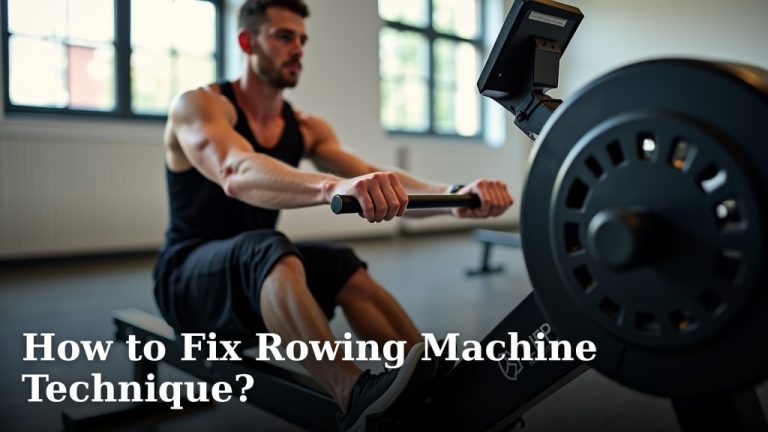
Are you feeling more arm fatigue than leg fatigue after rowing? You might not be using your legs enough.
Many beginners make the mistake of pulling with their arms first, missing out on that powerful leg drive.
Arm Pulling First
This is a classic rookie error. If your arms are doing all the work, your legs aren’t contributing effectively.
Remember: legs, core, then arms is the sequence.
Not Pushing Off Hard Enough
You need to push against the foot stretcher as if you’re trying to push the machine away from you. A weak push equals less leg work.
Imagine pushing through your heels with force.
Skipping the Full Leg Extension
Don’t stop your leg drive halfway. Fully extend your legs at the end of the drive for maximum muscle engagement.
You should feel a good squeeze in your glutes.
Maximizing Leg Drive for Best Results
Want to ensure your legs are getting the ultimate workout on the rower? Focus on these key points during each stroke.
These adjustments can dramatically improve your workout efficiency.
Checklist for a Powerful Leg Drive:
- Foot Placement: Ensure your feet are strapped in securely, allowing you to push through your heels.
- Strong Push: Initiate the drive by pushing hard with your legs, feeling the power transfer from your feet.
- Full Extension: Extend your legs fully, but don’t lock your knees, at the end of the drive.
- Controlled Recovery: Let your legs bend slowly as you come forward, keeping tension in the straps.
- Connect to the Core: Use your core to link your leg power to your upper body pull.
Rowing for Leg Strength vs. Other Exercises
While rowing is fantastic for legs, how does it compare to other activities? It’s a unique blend of strength and cardio.
Many guidelines point to rowing as a great option for overall leg conditioning (American Heart Association).
Rowing vs. Running
Running is great for cardio and uses legs, but it’s high-impact. Rowing offers similar cardio benefits with much less joint stress.
Your quads and glutes often get a more direct strength workout in rowing.
Rowing vs. Cycling
Cycling focuses heavily on quads and hamstrings, but it’s a concentric-only movement. Rowing involves both concentric and eccentric contractions.
This makes rowing a more comprehensive muscle builder for your lower body.
Conclusion
So, does a rowing machine work your legs? Absolutely! Your legs are the driving force behind every powerful stroke, engaging your quads, hamstrings, and glutes in a comprehensive, low-impact workout.
By focusing on proper technique and maximizing your leg drive, you can build incredible lower body strength, endurance, and power. Rowing isn’t just an arm workout; it’s a testament to the strength and resilience of your entire lower body.
So next time you hop on the rower, remember to push with purpose from your legs. You’ll feel the difference.
Is Rowing Good for Toning Legs?
Yes, rowing is excellent for toning legs because it engages major leg muscles like your quadriceps, hamstrings, and glutes through a powerful, repetitive motion. The resistance on the machine helps build lean muscle mass, which contributes to a more toned appearance.
Can Rowing Build Big Leg Muscles?
Rowing can definitely build strong, well-defined leg muscles, especially if you focus on higher resistance and powerful drives. While it might not create the same bulk as heavy weightlifting, it will enhance muscle density, strength, and endurance, leading to powerful and functional legs.
Does Rowing Work Your Calves?
Yes, rowing does work your calves. They act as important stabilizers during the drive phase, helping you push off the foot stretcher effectively. While not the primary movers, they receive a consistent workout that contributes to overall leg strength and definition.
Is Rowing Better for Legs Than a Stationary Bike?
Both are great for legs, but rowing offers a more comprehensive leg workout than a stationary bike. Rowing engages your glutes and hamstrings more dynamically through hip extension and knee flexion, whereas cycling tends to focus primarily on quads and calves. Rowing also recruits the upper body and core, making it a full-body exercise.
How Can I Make My Legs Stronger on a Rowing Machine?
To make your legs stronger on a rowing machine, focus on driving powerfully through your heels with each stroke, ensuring full leg extension. Incorporate intervals of higher resistance or sprint pieces where you maximize leg power. Also, ensure your technique prioritizes the “legs first” sequence in the drive, truly pushing off before engaging your upper body.