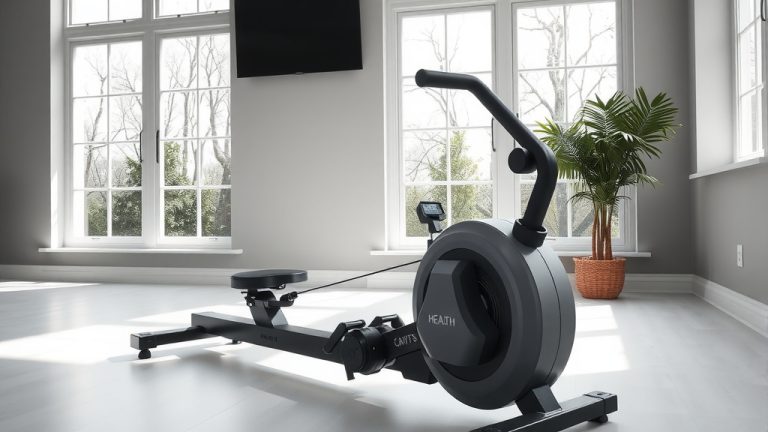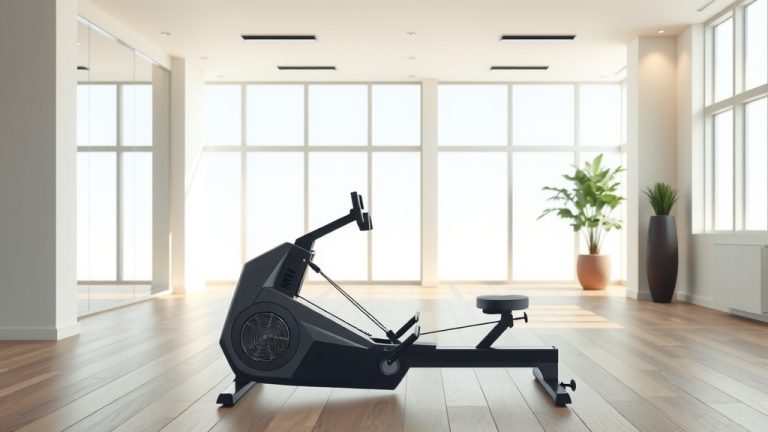
What Muscles Does A Rowing Machine Work Diagram?
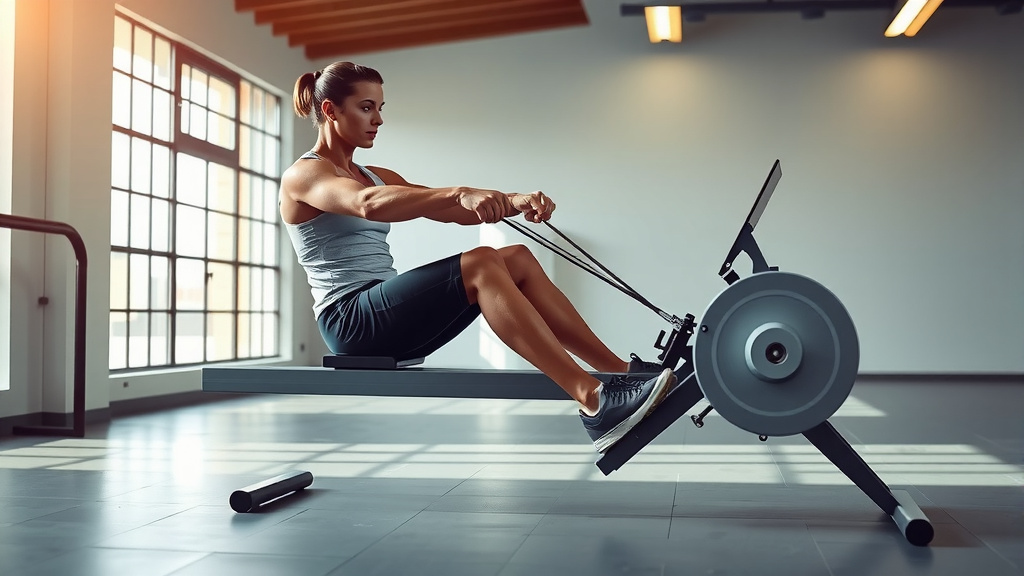
A rowing machine works nearly 85% of your body’s muscles, providing a truly full-body workout that engages your legs, core, back, and arms in a powerful, coordinated motion.
When you ask “What muscles does a rowing machine work diagram?”, you’re looking at a comprehensive engagement of major muscle groups from your quadriceps to your biceps, making it an efficient fitness tool.
- A rowing machine provides a complete body workout, engaging around 85% of your muscles.
- You’ll work your legs significantly, powering the initial drive.
- Your core muscles brace and connect the upper and lower body.
- The back and arms perform the pulling motion, finishing the stroke.
- It’s a low-impact exercise, kind to your joints while building strength and stamina.
What Muscles Does A Rowing Machine Work Diagram?
A rowing machine is a powerhouse for total body fitness. It activates a wide range of muscles across your legs, core, and upper body. You get strength, cardio, and endurance all in one smooth movement.
A Full-Body Powerhouse Workout
Think of the rowing stroke like a symphony. Every part of your body has a role. If one part falters, the whole movement suffers. We found that this integrated action makes rowing incredibly effective (American Council on Exercise).
The “Why” Behind The Rowing Workout
Why do so many people love rowing for fitness? It’s simple: efficiency. You don’t need separate machines for your legs, core, and arms. A single rowing stroke gets the job done for many muscle groups.
Lower Body: Your Power Foundation
Your legs initiate most of the power in a rowing stroke. They are the true engine. You push off the foot stretcher with real force.
Leg Muscles in Action
When you drive back, you’re activating your quadriceps (front of thighs) and hamstrings (back of thighs). Your glutes (butt muscles) also work hard to extend your hips. And don’t forget your calves, they assist in that powerful push.
Core: The Stabilizer and Connector
Your core muscles act as the bridge between your upper and lower body. They keep you steady and strong. Without a good core, your power transfer would be weak.
Keeping Your Midsection Strong
Your abdominal muscles (abs) and obliques (side abs) work to stabilize your torso. The muscles in your lower back also play a part. They help maintain proper posture throughout the stroke. This engagement helps protect your spine.
Upper Body: Pulling It All Together
After your legs drive back, your upper body takes over. You pull the handle towards your body. This part works your back, shoulders, and arms.
Back and Arm Power
Your latissimus dorsi (lats), the big muscles in your back, do most of the pulling. Your rhomboids and trapezius muscles (mid-upper back) help too. For your arms, your biceps (front of upper arms) and forearms assist. Your shoulders also get a good workout.
The Rowing Stroke: A Coordinated Effort
The beauty of rowing is how all these muscles work together. It’s not one muscle group working alone. It’s a fluid, compound movement that flows through four distinct phases: Catch, Drive, Finish, and Recovery.
| Stroke Phase | Primary Muscle Groups Engaged |
|---|---|
| Catch | Legs (shins, hamstrings), Core (stabilization) |
| Drive | Quadriceps, Hamstrings, Glutes, Calves, Core, Back (lats) |
| Finish | Back (lats, rhomboids), Biceps, Forearms, Shoulders, Core, Glutes |
| Recovery | Hamstrings, Core (control), Triceps (extension) |
Why Proper Form Matters So Much
To get the most from your rowing machine, proper form is essential. It prevents injury and ensures you activate the correct muscles. Many experts say that bad form can hurt your progress (Mayo Clinic).
Checking Your Rowing Technique
It’s like learning to ride a bike; you need to practice the right moves. Focus on smooth transitions between each part of the stroke. Here’s a quick checklist:
- Push with your legs first.
- Lean back slightly, then pull the handle.
- Keep your core tight throughout.
- Let your arms extend before your knees bend.
- Maintain a straight back, no hunching.
Beyond Muscle: Other Health Benefits
While the muscle work is amazing, rowing offers more. It’s a fantastic cardiovascular exercise. You’re getting your heart rate up and burning calories effectively.
Heart Health and Stamina
Regular rowing sessions really give your heart a workout. Research often connects consistent cardio with better heart health and increased stamina (NIH). It helps you feel more energetic every day. Plus, it’s a low-impact activity, which means it’s gentle on your joints.
Integrating Rowing Into Your Routine
So, how can you fit this full-body workout into your life? Starting with 20-30 minute sessions, three to four times a week, is a great goal. You can adjust based on your fitness level. Listen to your body and build up gradually.
Conclusion
The rowing machine truly offers a comprehensive workout for almost every major muscle group. From the powerful push of your legs to the stabilizing action of your core and the pulling strength of your back and arms, it’s an efficient way to boost your fitness. Understanding how these muscles work together helps you maximize your workouts and achieve your fitness aspirations.
What percentage of muscles does a rowing machine work?
A rowing machine works approximately 85% of your body’s muscles. This includes major groups in your legs, core, back, and arms, making it one of the most comprehensive full-body workouts available.
Is rowing a full-body workout or just legs?
Rowing is definitely a full-body workout. While your legs generate a significant portion of the power (around 60%), your core stabilizes your body (20%), and your back and arms perform the pulling motion (20%), engaging muscles across your entire physique.
Can rowing machines build muscle?
Yes, rowing machines can help build muscle, especially in beginners or those focusing on endurance strength. It provides resistance that challenges your muscles, leading to increased strength and tone. For significant muscle mass, you might combine it with resistance training.
Is rowing good for belly fat?
Rowing is excellent for burning calories and improving cardiovascular health, both of which contribute to reducing overall body fat, including belly fat. It works your core muscles, which helps in strengthening your abdominal area, but fat loss is a whole-body process.
How long should a beginner row for?
A beginner can start with 10-15 minute sessions, 3-4 times a week, focusing on proper form over speed or distance. Gradually increase your time to 20-30 minutes as your stamina and comfort on the machine grow. Listen to your body and take rest days.