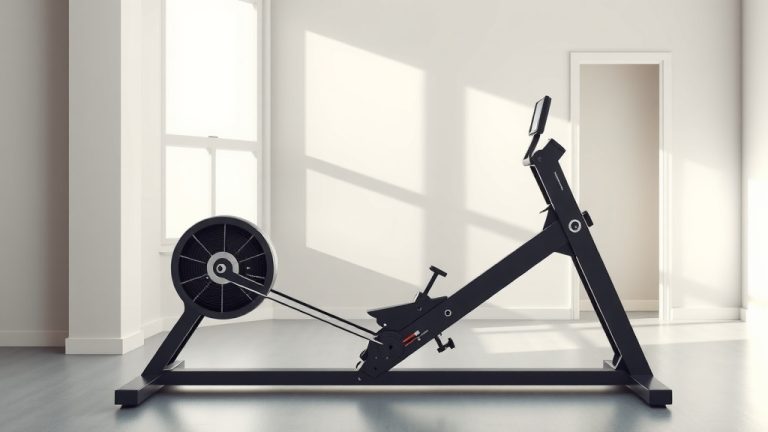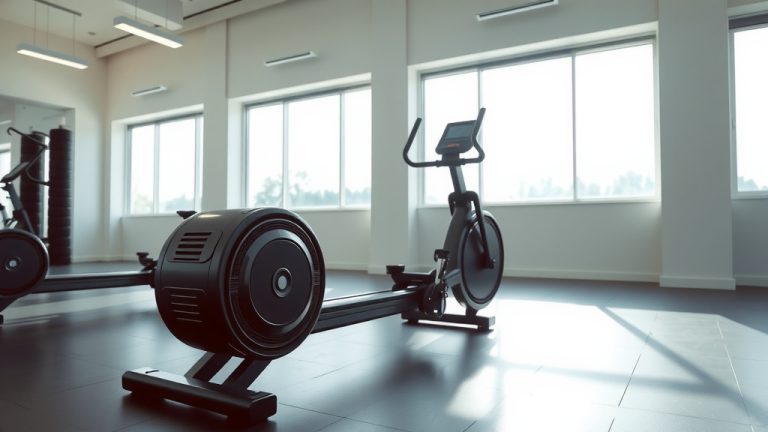
Does Rowing Machine Work Chest?
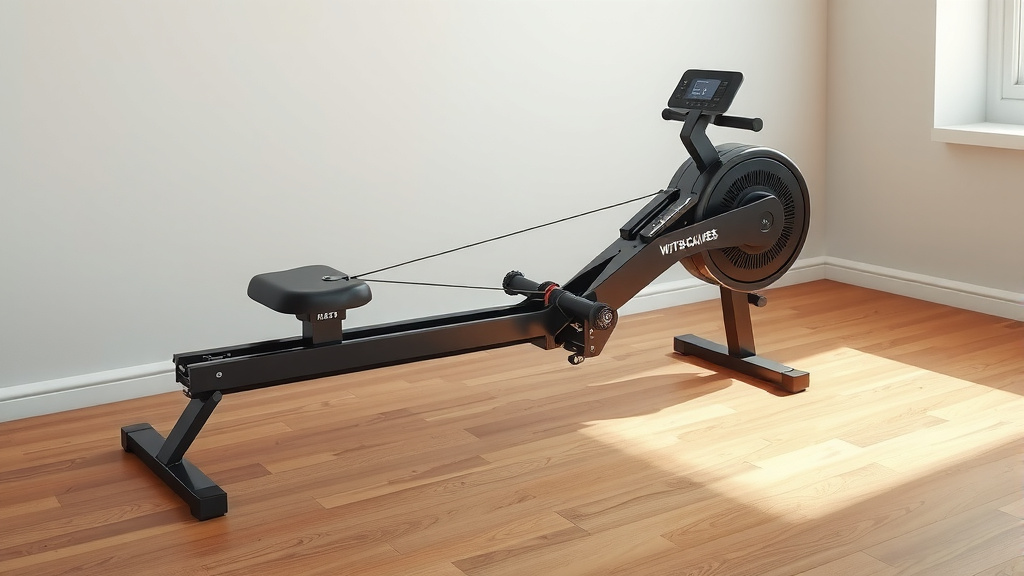
A rowing machine primarily targets your legs, core, and back, not your chest. While you might feel some minor activation, it’s not a significant chest-building exercise.
Think of rowing as a fantastic full-body workout that emphasizes a powerful leg drive and strong pulling motion, leaving the chest muscles largely in a supporting role.
- Rowing machines mainly engage your legs, core, and back muscles.
- Chest activation is minimal; it’s not a primary muscle group worked during rowing.
- The motion is a pulling exercise, contrasting with pushing movements that build the chest.
- It’s excellent for cardiovascular health and overall muscular endurance.
- For significant chest development, you’ll need dedicated push exercises.
Does Rowing Machine Work Chest?
No, a rowing machine does not primarily work your chest. Its design focuses on a pulling motion that engages your back, legs, and core much more intensely.
You’re driving through your legs and pulling with your upper body, which means the pectoral muscles get very little direct stimulation.
Understanding the Rowing Motion: A Full-Body Symphony
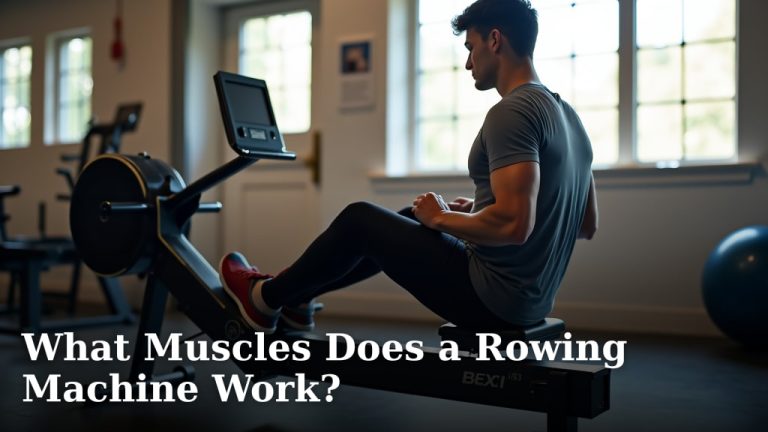
Imagine the smooth, rhythmic movement on a rower. It’s a complex exercise that breaks down into distinct phases, each engaging different muscle groups.
We found that many people often mistake “full-body” for working every muscle equally. That’s not quite how it works.
The Catch Phase: Setting Up for Power
At the start, you’re coiled forward, ready to explode. Your shins are vertical, and your arms are extended.
At this point, your muscles are preparing for action, primarily engaging your hamstrings and glutes (Mayo Clinic).
The Drive Phase: The True Powerhouse
This is where the magic happens. You push back forcefully with your legs, much like a jump.
Your quadriceps, glutes, and hamstrings are the primary movers here, creating immense power.
The Finish Phase: Pulling It All Together
As your legs extend, you lean back slightly and pull the handle towards your upper abdomen.
This phase strongly recruits your lats, rhomboids, and biceps – all back and arm muscles (NIH).
The Recovery Phase: Gliding Back
You extend your arms, then lean forward, and finally bend your knees to return to the catch position.
This controlled movement mostly involves your core muscles for stability and balance.
Why Your Chest Takes a Backseat
The chest muscles, or pectorals, are primarily responsible for pushing movements. Think push-ups or bench presses.
Since rowing is fundamentally a pulling exercise, your chest is not the star of the show.
Your chest muscles act more as stabilizers and synergists, helping to keep your shoulders in place.
They contribute minimally compared to the intense work done by your legs and back (Cleveland Clinic).
Primary Muscles Engaged by a Rowing Machine
Want to know what muscles are truly getting a workout? Here’s the breakdown:
- Legs: Quadriceps, Hamstrings, Glutes (the biggest power generators)
- Back: Latissimus Dorsi, Rhomboids, Trapezius (essential for the pulling motion)
- Core: Abdominals, Obliques (crucial for stability and power transfer)
- Arms: Biceps, Forearms (for gripping and pulling the handle)
- Shoulders: Deltoids (some activation for arm movement and stability)
Comparing Rowing to Chest-Focused Exercises
If you’re aiming for a strong, defined chest, dedicated exercises are your best bet.
Rowing won’t give you the same results as movements designed to target the pectorals.
Push-ups and Bench Presses: The Chest Champions
These exercises involve pushing weight away from your body.
They directly engage your pectoral muscles, triceps, and anterior deltoids for significant chest development.
Flies and Dips: Isolating the Pecs
Movements like dumbbell flies or chest dips further isolate the chest muscles.
They provide a more concentrated stimulus for muscle growth and strength in that area.
The Incredible Benefits of Rowing (Beyond the Chest)
Even though it’s not a chest builder, rowing is still an incredible workout tool.
Many experts agree that it offers a low-impact, full-body cardiovascular and strength workout.
Cardiovascular Health: A Pumping Heart
Rowing elevates your heart rate, improving your endurance and strengthening your heart and lungs.
Regular rowing can lead to better stamina and overall fitness levels.
Muscle Endurance and Strength: All-Round Fitness
It builds functional strength across many major muscle groups.
You’ll notice improved power in your legs, a stronger back, and a more stable core, which helps in everyday activities.
| Muscle Group | Rowing Machine Engagement | Chest-Focused Exercise (Example) |
|---|---|---|
| Chest (Pectorals) | Minimal, stabilizer | Primary mover (e.g., Bench Press) |
| Legs (Quads, Glutes) | Primary mover, high activation | Minimal/indirect (e.g., Push-ups) |
| Back (Lats, Rhomboids) | Primary mover, high activation | Minimal/antagonistic |
| Core (Abs, Obliques) | High, stabilizer and power transfer | Secondary, stabilizer |
Maximizing Your Rowing Workout
To get the most out of your rowing machine, focus on proper form.
We’ve found that good technique not only prevents injury but also optimizes muscle engagement.
Form Check for Effective Rowing
- Start with a strong leg drive, then lean, then pull.
- Keep your core engaged throughout the entire stroke.
- Maintain a smooth, controlled motion, avoiding jerking.
- Relax your grip, letting your legs do most of the work.
- Breathe rhythmically with your strokes.
Adding Chest Work to Your Routine
If you love rowing but still want to develop your chest, you need to add other exercises.
It’s about creating a balanced fitness regimen that addresses all your goals.
Complementary Exercises for Chest Development
Consider incorporating bodyweight exercises or free weights into your routine.
Things like push-ups, dumbbell presses, or resistance band pushes are excellent choices.
Dispelling Common Rowing Myths
There are many ideas floating around about what rowing does for your body.
Let’s clarify some common misconceptions to ensure you have accurate information.
Myth: Rowing Is Just for Arms
This is far from the truth! While your arms pull, the power truly comes from your legs.
Think of your arms as hooks connecting your body to the handle; your legs drive the movement.
Myth: It’s Only a Cardio Machine
While great for cardio, rowing also builds significant strength and endurance across multiple muscle groups.
It’s a fantastic example of a full-body strength-cardio hybrid workout.
Conclusion
So, does a rowing machine work your chest? The direct answer is no, not primarily. While your chest muscles play a minor stabilizing role, they aren’t being built or significantly strengthened by rowing.
However, that doesn’t lessen the rowing machine’s value. It’s an incredibly effective tool for developing powerful legs, a strong back, a stable core, and exceptional cardiovascular fitness.
If your fitness goals include building a stronger chest, combine your rowing workouts with dedicated pushing exercises. By understanding how the rowing machine truly works your body, you can create a balanced and effective fitness plan that helps you achieve all your aspirations. Keep rowing, keep moving, and keep building your best self!
How much chest activation occurs during rowing?
Chest activation during rowing is very minimal, serving mostly as a stabilizer. It does not provide enough stimulus for significant muscle growth or strength development in the pectorals.
Can I modify my rowing technique to work my chest more?
While you can emphasize a stronger arm pull or lean slightly more, fundamentally changing the rowing motion to primarily target the chest isn’t effective. It risks poor form and potential injury, and still won’t offer a direct chest workout.
Is rowing a good workout if my goal is overall fitness, not just chest?
Absolutely! Rowing is an excellent choice for overall fitness. It provides a fantastic full-body workout, boosts cardiovascular health, and builds strength and endurance in your legs, back, and core, all while being low-impact.
What are the best exercises to pair with rowing for chest development?
To complement rowing for chest development, incorporate exercises like push-ups, dumbbell bench presses, barbell bench presses, chest dips, and cable flies. These are pushing movements that directly target the pectoral muscles.
Does proper rowing form involve my chest muscles?
Proper rowing form involves keeping your chest open and shoulders back, but this positioning doesn’t actively work the chest muscles in a developmental way. It’s more about maintaining good posture and allowing your primary movers (legs, back) to function efficiently.