Does Rowing Machine Work Shoulders?
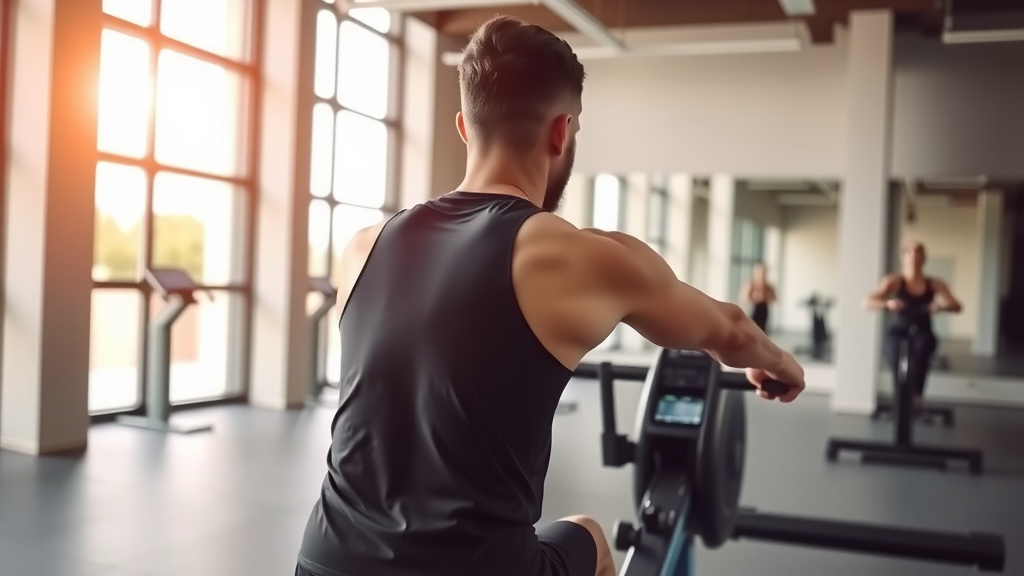
Yes, a rowing machine works your shoulders by engaging various muscle groups during the pulling and stabilizing actions of the stroke.
While not the primary target, your deltoids, trapezius, and rhomboids are active, especially when you pull the handle towards your body.
Here’s a quick overview of whether a rowing machine works your shoulders:
- Rowing machines engage your shoulders, but they aren’t the main focus.
- You’ll primarily feel it in your rear deltoids and upper back muscles during the pull.
- Proper technique is key to activate your shoulders correctly and prevent strain.
- For significant shoulder strength, combine rowing with targeted exercises.
- Rowing offers excellent full-body conditioning, including some shoulder support.
Does Rowing Machine Work Shoulders?
Yes, rowing does work your shoulders, though it’s not primarily a shoulder-building exercise. Your shoulders act as important support and pulling muscles throughout the stroke.
Think of them as helping hands, not the main engine. They contribute significantly to the smoothness and power of your overall movement.
Understanding the Rowing Stroke: A Full-Body Dance
The rowing stroke is a complex, synchronized movement involving around 85% of your body’s muscles. It’s a true full-body workout that goes beyond just your legs and back.
We often think of rowing as just pulling. But it’s a fluid dance between pushing with your legs and then engaging your core and upper body. Your shoulders play a subtle, yet present role in this action.
The Catch Phase: Ready to Launch
During the catch, you’re at the front of the rower, ready to push off. Your arms are extended forward. At this point, your shoulders are mostly relaxed, helping to stabilize your upper body.
There isn’t much active shoulder engagement here. It’s more about getting into a strong, powerful starting position.
The Drive Phase: The Powerhouse Moment
This is where the magic happens, and your shoulders come alive. As you push with your legs, your body hinges back slightly.
Then, your arms pull the handle towards your torso. This pulling motion strongly activates your posterior deltoids (rear shoulders) and the muscles in your upper back, such as the trapezius and rhomboids.
The Finish Phase: Holding Your Ground
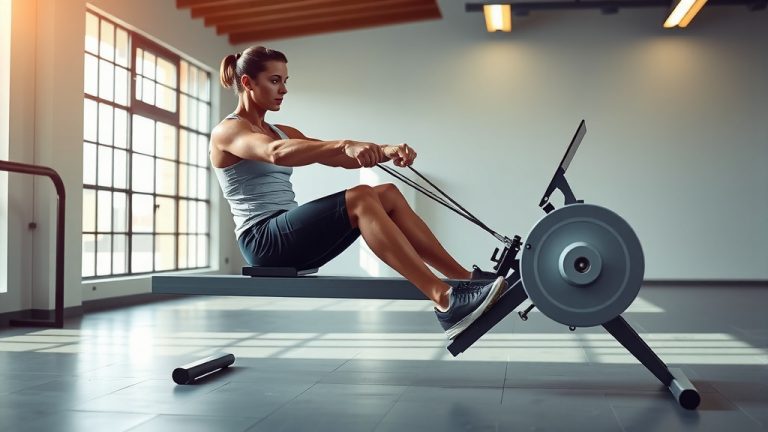
At the finish, the handle is drawn to your chest or abs, and your legs are fully extended. Your shoulders are still engaged, helping to maintain control and posture.
They work with your back muscles to ensure a strong, stable end position before recovery begins.
The Recovery Phase: Gliding Back
The recovery is like rewinding the stroke. Your arms extend first, followed by your body hinging forward and your knees bending.
Your shoulder muscles help control this reverse movement. They ensure your arms extend smoothly and that you don’t slump forward as you return to the catch.
Boosting Shoulder Activation While Rowing
Want to feel your shoulders more during your rowing workouts? A few technique tweaks can help. Remember, form is always more important than speed or resistance.
Many experts say focusing on your posture can make a big difference (Mayo Clinic). Think about keeping your shoulders down and back, not hunched up by your ears.
Rowing Technique for Shoulder Focus
- Maintain a controlled grip: Don’t squeeze the handle too tightly. Keep your wrists flat and relaxed.
- Engage your core first: Before pulling with your arms, make sure your core is braced. This prevents your shoulders from taking over too early.
- Lead with your elbows: As you pull, imagine leading with your elbows, drawing them slightly back. This helps activate your rear deltoids.
- Keep shoulders down: Avoid shrugging your shoulders towards your ears. Keep them relaxed and away from your neck.
- Focus on the squeeze: At the end of the drive, try to gently squeeze your shoulder blades together. This targets your rhomboids and trapezius.
Rowing Versus Dedicated Shoulder Exercises
So, does rowing build big, strong shoulders on its own? Not really in the same way direct strength training does. Rowing offers a balanced, functional workout.
It strengthens your shoulders for overall health and endurance. For noticeable shoulder hypertrophy, or significant muscle growth, you’ll typically need to add specific shoulder exercises.
| Feature | Rowing Machine (Shoulders) | Dedicated Shoulder Exercises |
|---|---|---|
| Primary Role | Support, stabilization, pulling assist | Targeted strength, hypertrophy |
| Muscle Focus | Posterior deltoids, trapezius, rhomboids | All three deltoid heads, rotator cuff |
| Training Type | Cardiovascular, endurance, functional strength | Strength, resistance, muscle building |
| Intensity for Shoulders | Moderate, secondary engagement | High, primary engagement |
Benefits Beyond Shoulder Muscle Activation
Even if rowing isn’t just for your shoulders, it brings a wealth of benefits. It’s an amazing cardiovascular workout, helping to improve your heart and lung health.
Research often connects regular rowing with improved core strength and stronger legs (NIH). You’re also building strength in your back and arms, making it a very efficient exercise.
Is Rowing Enough for Strong Shoulders?
While rowing contributes to shoulder health and endurance, it generally isn’t enough for building maximal shoulder strength or size. For that, you might want to add weightlifting.
Think of rowing as your foundation. It provides a great base of functional strength and mobility. Then, you can build on that with specific strength work if that’s your goal.
Potential Shoulder Issues and Prevention
Can rowing cause shoulder pain? Yes, if your form is off or you overtrain. Like any exercise, improper technique can lead to unnecessary strain or injury.
Many guidelines point to listening to your body as a good first step (Cleveland Clinic). Pay attention to any discomfort. Small adjustments can often make a big difference.
Keep Your Shoulders Healthy: A Checklist
- Warm up properly before each rowing session.
- Maintain correct posture throughout the entire stroke.
- Avoid shrugging your shoulders towards your ears.
- Don’t grip the handle too tightly; relax your hands.
- Increase intensity and duration gradually.
- Cool down and stretch your shoulders afterwards.
Listen to Your Body
Your body sends you signals, so pay attention. If you feel sharp pain in your shoulders, it’s a good idea to take a break. Sometimes, a little rest is all you need for recovery and repair.
Consulting a fitness professional for form review can also be really helpful. They can spot small errors that you might be missing and help you row more safely.
Conclusion
So, does a rowing machine work your shoulders? Absolutely, yes, but not as the primary muscle group. It offers a fantastic full-body workout that includes your shoulders in a supportive and stabilizing role.
You’ll engage your posterior deltoids and upper back muscles, contributing to overall strength and function. For dedicated shoulder muscle growth, consider combining rowing with targeted strength training.
Rowing is a powerful tool for cardiovascular fitness and functional strength. Keep your form solid, and you’ll reap the benefits for your entire body, including those hard-working shoulders.
Is Rowing Good for Rotator Cuff Strength?
Yes, rowing can contribute to rotator cuff health. The repetitive, controlled motion helps to strengthen the small muscles that stabilize your shoulder joint. It promotes endurance in these muscles, which can aid in preventing injury.
Can Rowing Build Big Shoulders?
While rowing does engage your shoulders, it’s generally not sufficient for building significant shoulder muscle mass or “big shoulders.” For substantial hypertrophy, you would need to incorporate targeted resistance exercises like overhead presses, lateral raises, and front raises with weights.
What Muscles Are Primarily Worked on a Rowing Machine?
A rowing machine primarily works your legs (quadriceps, hamstrings, glutes) for the powerful drive, your core (abs and lower back) for stability, and your back (latissimus dorsi, rhomboids, trapezius) for the pulling motion. Your arms and shoulders act as secondary movers.
How Can I Protect My Shoulders While Rowing?
To protect your shoulders, focus on proper technique: maintain a relaxed grip, keep your shoulders down and back (away from your ears), and ensure your legs initiate the drive before your arms pull. Avoid shrugging and over-reaching during the recovery phase. Listen to your body and don’t overtrain.
Is Rowing a Push or Pull Exercise?
Rowing is unique because it’s both a push and a pull exercise. The drive phase is predominantly a powerful push from your legs, engaging your quadriceps and glutes. The latter part of the drive and the finish phase involve a significant pulling action from your back and arms.