How Does A Rowing Machine Work Your Body?
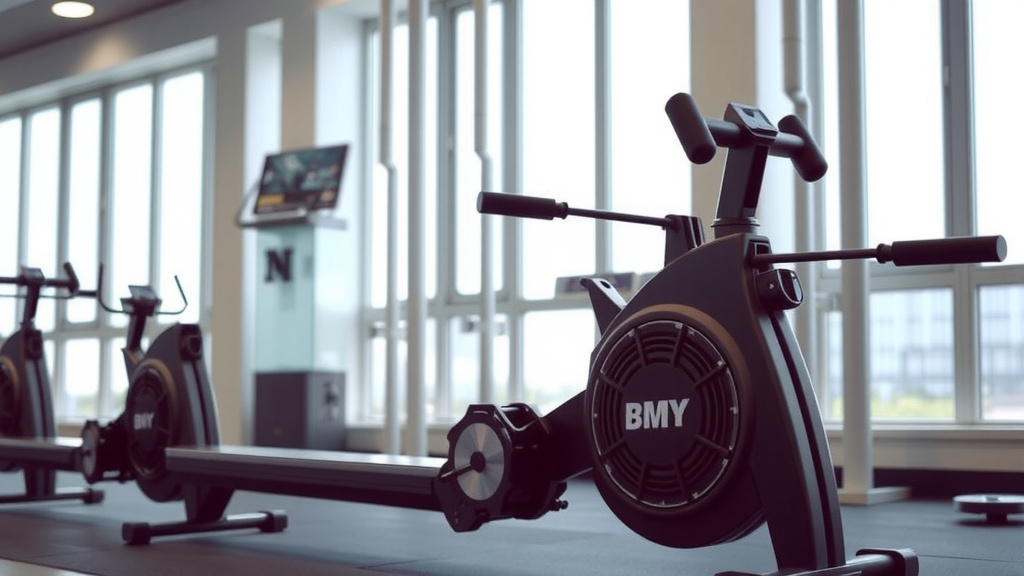
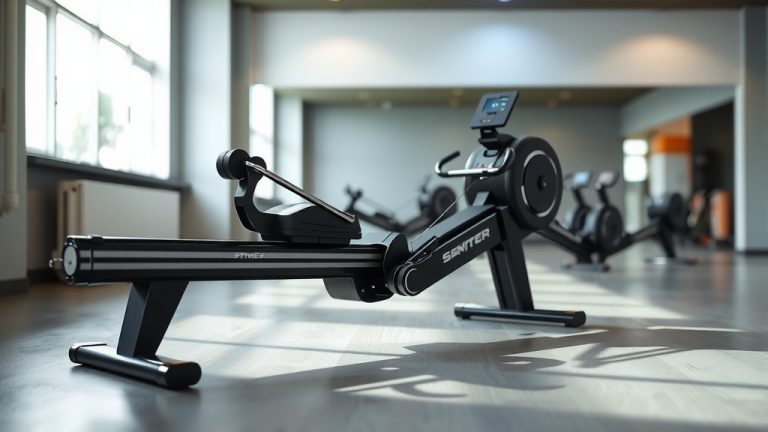
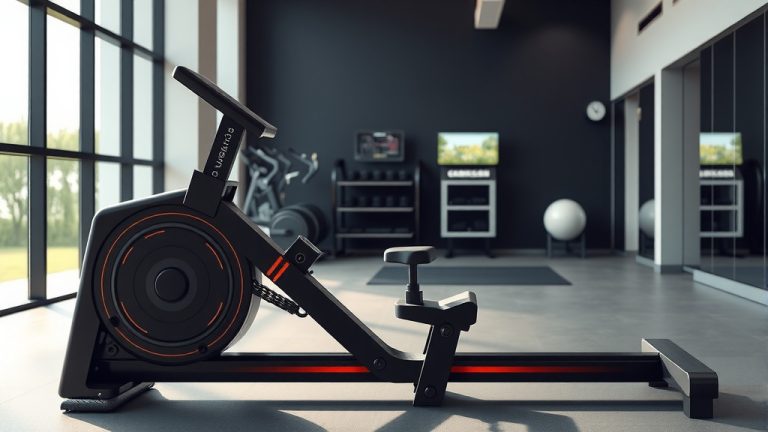
A rowing machine works your entire body by engaging about 85% of your muscles in a low-impact, fluid motion. It provides a powerful full-body workout that strengthens your legs, core, back, and arms, making it incredibly efficient for fitness.
You use major muscle groups from head to toe during each stroke, offering both cardiovascular benefits and strength building without harsh impacts on your joints. This makes the rowing machine a fantastic option for a balanced exercise routine.
Here’s a quick look at what you’ll find:
- Rowing machines offer a total body workout, hitting most major muscle groups.
- The motion is low-impact, protecting your joints while still building strength.
- You’ll get a great cardio workout, boosting heart health and endurance.
- It helps improve posture and strengthens your back and core.
- Perfect for all fitness levels, from beginners to seasoned athletes.
How Does A Rowing Machine Work Your Body?
A rowing machine engages your major muscle groups through a synchronized movement. This exercise simulates rowing on water, breaking down into four distinct phases that activate nearly every part of your physique.
This full-body action is why many fitness experts recommend rowing for a well-rounded workout (NIH).
The Power of the Rowing Stroke: A Breakdown
Think of the rowing stroke as a dance with four steps: the catch, the drive, the finish, and the recovery. Each step uses different muscles, working together for a smooth, effective motion.
It’s like a mini symphony of muscles, all playing their part to move the boat – or in this case, the machine’s flywheel.
Phase One: The Catch
This is where your body is coiled and ready to push. You sit forward on the machine, knees bent, arms extended towards the flywheel. Your shins are close to vertical, and your back is straight.
Here, your core muscles tighten, preparing for the power to come. Your hamstrings and glutes feel a gentle stretch, anticipating their big push.
Phase Two: The Drive
This is the powerhouse of the stroke! You push strongly through your legs, straightening them out. As your legs extend, your core stays braced, and your back begins to swing open slightly.
Finally, your arms pull the handle towards your torso. This phase powerfully engages your quads, glutes, and hamstrings, along with your core and back muscles.
Phase Three: The Finish
At the finish, your legs are fully extended, your body leans back slightly, and the handle is drawn to your sternum. Your elbows are bent, tucked close to your body.
Your upper back and arm muscles, like your biceps and triceps, work to complete the pull. Your core remains engaged, supporting your posture.
Phase Four: The Recovery
Now, you reverse the motion to prepare for the next stroke. Your arms extend away from your body first. Then, your body leans forward from the hips.
Finally, your knees bend, allowing the seat to slide forward. This phase requires control and helps prepare your muscles for the next powerful drive.
Muscles That Get a Workout
When you use a rowing machine, you’re not just moving; you’re orchestrating a full-body event. We found that the main muscle groups work in harmony, creating a balanced exercise.
It’s truly amazing how many parts of you contribute to just one stroke!
Legs: The Primary Powerhouse
Your legs supply most of the force during the drive phase. They are your primary engine, creating about 60% of the power.
You use your quadriceps, hamstrings, and glutes to push off the foot stretcher with great force, similar to a squat jump (American Council on Exercise).
Core: Your Stabilizing Center
Your core muscles act as a strong link between your upper and lower body. They stabilize your torso throughout the entire stroke.
A strong core helps with power transfer and protects your back. You’ll feel your abs and lower back muscles working hard to keep you upright and powerful.
Back: The Driving Support
Your back muscles help with the body swing and the pull of the handle. They work to open up your posture during the drive.
Specifically, your lats, rhomboids, and traps are active, contributing to good posture and upper body strength.
Arms and Shoulders: The Finishing Touch
While not the main power source, your arms and shoulders play a key role in finishing the stroke. They pull the handle into your body.
Your biceps, triceps, and deltoids get a good workout, adding to overall upper body conditioning.
Beyond Muscles: Other Benefits You’ll Feel
Rowing does more than just build muscle. It offers a variety of health benefits that make it a smart choice for many people.
Think of it as a gift to your entire system, not just your biceps!
Cardiovascular Health
Because you’re using so many muscles, your heart has to work harder to pump blood. This elevates your heart rate and improves your cardiovascular endurance.
Regular rowing can help strengthen your heart and lungs, reducing risks for certain health issues (CDC).
Low-Impact Nature
Unlike running or jumping, rowing is gentle on your joints. Your feet stay connected to the foot stretchers, and the motion is smooth and fluid.
This means you can get an intense workout without jarring your knees or hips, making it great for joint health and injury recovery.
Stress Reduction
The rhythmic, repetitive motion of rowing can be quite meditative. Focusing on your breath and stroke can help clear your mind.
Many people find rowing a wonderful way to release stress and tension after a long day.
Comparing Rowing to Other Workouts
How does rowing stack up against other popular exercises? Let’s look at how it might fit into your fitness routine.
Every exercise has its perks, but rowing often brings a lot to the table.
| Exercise Type | Primary Muscles Worked | Impact Level |
|---|---|---|
| Rowing Machine | Legs, Core, Back, Arms | Low |
| Running | Legs, Glutes, Core | High |
| Cycling | Legs, Glutes, Quads | Low |
Maximizing Your Rowing Workout
To get the best from your rowing machine, focus on proper form. Good technique prevents injury and helps you work your muscles correctly.
Small adjustments can make a big difference in how you feel and the results you see.
Form is Key
Always remember the sequence: legs, then core, then arms for the drive. Reverse for the recovery: arms, then core, then legs. This keeps the movement fluid.
Avoid rounding your back or pulling with your arms too early. Keep your spine tall and strong.
Listen to Your Body
Start slowly and build up your intensity. It’s okay to take breaks or adjust your pace. Your body will tell you what it needs.
Staying hydrated and warming up before you start are always smart ideas.
Checklist for Your Rowing Session
- Check your foot straps for a secure fit.
- Ensure your seat moves smoothly along the rail.
- Maintain a straight back throughout the stroke.
- Drive with your legs first, not your arms.
- Breathe deeply and rhythmically.
Conclusion
The rowing machine is a powerful tool for achieving full-body fitness. It skillfully engages a vast network of muscles, from your legs to your core, back, and arms, all within a low-impact framework.
By understanding how each phase of the stroke works your body, you can maximize your workouts and enjoy benefits like better heart health, strength, and even stress relief. We encourage you to try incorporating rowing into your routine; you might be surprised by the incredible results you find.
How much of my body does a rowing machine actually work?
A rowing machine works approximately 85% of your body’s muscles. This includes major muscle groups in your legs (quads, hamstrings, glutes), core (abs, lower back), upper back (lats, rhomboids), and arms (biceps, triceps).
Is rowing a good workout for weight loss?
Yes, rowing is an excellent workout for weight loss. It burns a high number of calories due to its full-body nature and the simultaneous engagement of both cardiovascular and strength systems. Regular, consistent rowing combined with a balanced diet can support significant weight loss efforts.
Can rowing help improve my posture?
Absolutely. Rowing machines help improve posture by strengthening the key muscles in your back and core. These muscles are essential for maintaining a strong, upright posture. The movement encourages proper spinal alignment and reduces slouching over time.
Is a rowing machine suitable for beginners?
Yes, rowing machines are very suitable for beginners. They are low-impact and offer a customizable intensity level. Beginners can start with shorter sessions and lower resistance, gradually increasing duration and effort as their fitness improves. It’s a forgiving yet effective way to start exercising.
What’s the ideal length for a rowing machine workout?
The ideal length for a rowing machine workout depends on your fitness level and goals. For beginners, 15-20 minutes a few times a week is a good start. Intermediate users might aim for 30-45 minutes, while advanced users could go longer or incorporate interval training. Consistency is often more important than single long sessions.