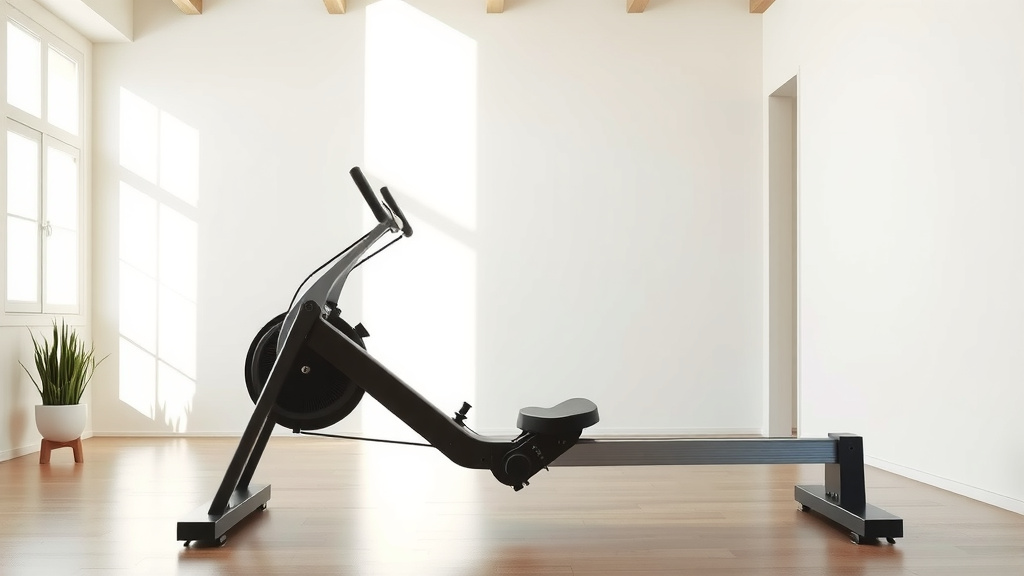
How Loud Is an Air Rowing Machine?
An air rowing machine gets louder as you row harder because each stroke spins its fan faster. Expect a steady rush of air and mechanical sound, not silent operation; the exact decibel level varies by rower, pace, and room.
On this page (6 sections)
An air rowing machine gets louder as you row harder because each stroke spins its fan faster. Expect a steady rush of air and mechanical sound, not silent operation; the exact decibel level varies by rower, pace, room, and distance.
There isn't a single dependable decibel figure that applies to every air rower. If you need a number for a shared home, measure the machine in the room and at the time you plan to use it.
How loud is an air rower in decibels?
Air rower decibel levels vary by machine and workout intensity. A reading only describes the conditions under which it was measured.
The room matters too. Hard floors, bare walls, and a small enclosed space can make sound seem more noticeable, while distance and furnishings change what reaches another room.
A phone sound meter can help compare your own setup at different paces, but it isn't a calibrated measurement. Keep the phone in the same place each time, and treat the result as a practical comparison rather than a precise rating.
Why does an air rowing machine make noise?
The spinning fan creates the main sound, and it moves faster when you pull harder. That makes the air rush rise and fall with your strokes.
The sound is part of how air resistance works. It isn't automatically a sign that something is wrong, though new rattles, scraping, or knocking deserve a check against the machine's manual.
A Best Air Rowing Machine guide can help you compare air rowers and their stated features. For technique that supports controlled strokes, see how to use an air rowing machine.
Is an air rower too loud for an apartment?
It can be audible beyond your workout space, so consider your walls, floor, schedule, and neighbors before buying. No general decibel estimate can promise how much sound will reach another unit.
Try a moderate pace first and listen from nearby rooms. Check building quiet hours, avoid workouts during sensitive times, and use a stable floor mat only if the machine maker and your flooring allow it.
If low sound is the main priority, compare best rowing machines with silent operation. For a room-by-room discussion, read whether a rowing machine is too loud for an apartment.
Is an air rower louder than a water rower?
The two resistance types sound different, and neither has one universal decibel level. Air resistance makes a fan rush that changes with effort; water resistance makes a swishing sound as the tank moves.
Your preferred sound may matter more than a small difference in a measurement. Compare water rowing machine noise decibels and the broader guide to how loud a rowing machine is.
Which setup choices help control rowing noise?
Place the machine on a firm, level surface and keep the area around it clear. For model-specific setup steps, see Yosuda rowing machine installation guide.
This can reduce unwanted movement or contact sounds, but it won't silence the fan.
Start with a smooth, moderate stroke and build effort gradually. If you hear a sound that doesn't match the usual airflow, stop and consult the manual before continuing.
The Concept2 RowErg uses adjustable air resistance, and its flywheel is designed to minimize noise while providing a smooth feel. It includes a Performance Monitor 5 and device holder.
The Stamina BodyTrac Glider uses hydraulic cylinder resistance rather than a fan. Its full-motion arms, workout monitor, and folding design may suit someone considering a compact alternative to an air rower.
A lubricant isn't a general fix for fan noise. Use only products and maintenance steps approved by the machine's maker, and don't apply lubricant to parts unless the manual calls for it.
What should you choose if noise is a concern?
Pick an air rower if you want fan-based resistance and can work with its changing airflow sound. Pick a different resistance type if that sound would disrupt your household, then compare the actual sound profile and maintenance guidance for the model.
For air rower decibel concerns, the best decision comes from considering your room and workout pace together. If possible, listen to the machine in person or measure your own setup before settling on a workout schedule.
Frequently asked questions
How loud is an air rowing machine in decibels?
There isn't one reliable decibel number for every air rower. Sound changes with the model, stroke rate, effort, room acoustics, and distance from the machine, so a reading from one setup may not describe yours.
Expect a fan rush that grows as you pull harder.
Are air rowing machines too loud for an apartment?
An air rower may be audible in nearby rooms or apartments, especially during fast or forceful workouts. The sound travels differently through floors and walls, so check building quiet hours, use a stable mat if suitable for your floor, and row at a moderate pace when others are home.
Can you make an air rowing machine quieter?
You can reduce avoidable noise by placing the rower on a firm, level surface, keeping loose items away, and following the manual's maintenance steps. Slower strokes also spin the fan less aggressively.
These steps won't remove the normal airflow sound that comes with air resistance.
Is an air rower louder than a water rower?
Neither type has one fixed loudness, and sound depends on the machine and how you use it. Air rowers make a fan rush that rises with effort, while water rowers make a swishing sound from moving water.
Compare both sound profiles and your room before choosing.