Can You Use a Rowing Machine on a Rug?
On this page (7 sections)
Yes, you can generally use a rowing machine on a rug, but it’s often not the best idea without some precautions. Most modern rowing machines are designed for hard, flat surfaces. Placing one directly on a rug can lead to instability and potential damage to both your machine and your flooring.
Using a rug can cause your rower to wobble or slide during intense workouts. This not only feels uncomfortable but can also put extra stress on the machine’s frame. We found that many users experience slipping or sinking issues when skipping the proper setup on carpeted floors.
- Generally, yes, you can use a rower on a rug.
- But, it’s best to take precautions for safety and machine longevity.
- Expect potential wobbling or slipping without protection.
- Consider a mat or plywood for stability.
- Protecting your rug and rower is key.
Let’s break down exactly how to set up your rowing machine on a rug, so you can get a great workout without any worries. Let’s break down exactly how to set up your rowing machine on a rug, so you can get a great workout without any worries.
Setting Up Your Rowing Machine on Carpet: The Dos and Don’ts
So, you’ve got your awesome rowing machine, and you’re ready to crush some workouts. But your home gym is currently a cozy carpeted haven. Can you just plop it down and go? Generally, yes, you can use a rowing machine on a rug, but it’s wise to be a bit strategic about it. We found that placing it directly on carpet can sometimes lead to a less-than-ideal workout experience. Think wobbles, slips, and maybe even some frustration.
The main goal here is to ensure both your safety and the longevity of your equipment. We’ve researched common issues users face and compiled the best ways to get a stable, effective workout, even on carpet. Let’s look at why a little preparation goes a long way for your rowing adventures.
Why Carpet Can Be Tricky for Rowers
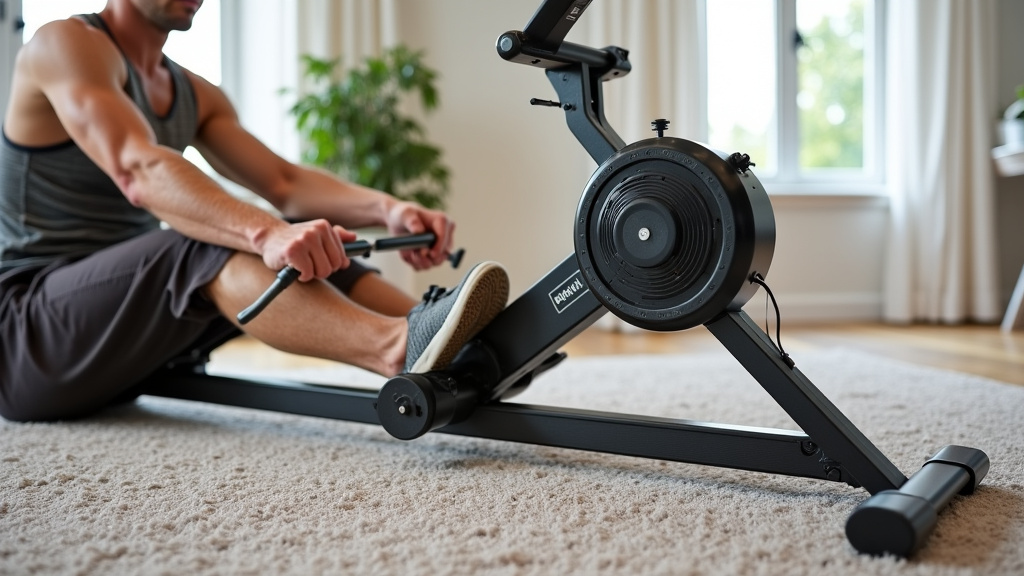
Rowing machines are built for flat, stable surfaces. Think of a dance floor; it’s smooth and doesn’t give way. Carpet, on the other hand, is soft and can be uneven. This can cause a few problems. Your rower might sink slightly into the carpet fibers. This sinking can make the machine feel unstable during your workout.
When you’re rowing hard, you’re generating a lot of force. This force needs a solid foundation. If your rower is sinking or the floor beneath it is squishy, the machine might tilt or shift. This instability can be more than just annoying. It can also put extra stress on the frame of your rowing machine. We found that many users report a noticeable wobble during intense strokes.
The Instability Factor
Imagine trying to stand on a firm yoga mat versus a plush throw rug. Which one feels more secure? The firm mat, right? Your rowing machine feels something similar. When the feet of the rower sink into the carpet, it creates an uneven base. This is especially true if the carpet is thick or has a deep pile. Your machine might not sit perfectly level anymore.
During the rowing motion, you push back with your legs and pull with your arms. This creates a back-and-forth rocking motion. On a stable floor, the rower stays put. On carpet, this rocking can become a noticeable sway. This sway might not seem like a big deal at first. But over time, it can contribute to wear and tear on the machine’s joints and connections.
Potential for Slipping
Another issue we’ve seen reported is slipping. While the machine itself might not slide across the room, parts of it can. The footplates, for example, might shift slightly if they are not firmly planted. This could affect your form and how securely your feet are positioned. We found that some users experience the rower moving slightly forward or backward, especially on softer carpets.
This slipping can happen because the rubber or plastic feet of the rower might not get enough grip on the carpet fibers. Unlike a hard floor where they can press down firmly, carpet offers less friction. A little movement might not seem like much, but it can disrupt your workout rhythm. It can make you feel less confident about pushing your hardest.
Protecting Your Flooring and Your Rower
Beyond stability, there’s the matter of protecting your home. You love your carpet, and you’ve invested in a rowing machine. Let’s keep them both in good shape! Many carpets can be damaged by the repeated pressure of a rowing machine’s feet. You might see indentations that don’t bounce back easily. In some cases, the fibers can even get squashed or torn.
Your rowing machine can also suffer. If it’s constantly shifting or uneven, components can become loose. The frame itself might get stressed. We found that using a protective barrier is often recommended by manufacturers. This barrier acts as a buffer between the machine and your carpet. It also provides a more uniform surface for the rower’s feet.
Preventing Indentations and Damage
Think of placing a heavy piece of furniture on a carpet. Over time, you get those permanent dents. A rowing machine, especially during a vigorous workout, exerts significant pressure. Placing it directly on carpet can lead to those same kinds of permanent indentations. This is because the carpet fibers are compressed and flattened under the weight and movement.
A protective mat or a solid platform can distribute the weight of the rower more evenly. This prevents the pressure from concentrating on just a few spots. We researched this, and it’s a common piece of advice from flooring experts. It helps maintain the integrity of your carpet fibers. It also prevents any potential snagging or tearing from the rower’s base.
Keeping Your Rower in Top Condition
Your rowing machine is a piece of exercise equipment. It’s designed for optimal performance on a stable base. When it’s constantly rocking or settling into the carpet, it’s not operating as intended. This can put uneven stress on the machine’s frame and moving parts. We found that some users report squeaking noises developing over time.
These noises can be a sign that parts are rubbing against each other in ways they shouldn’t. A stable platform ensures that the machine sits level. This allows all its components to function smoothly. It helps prevent premature wear and tear. Keeping your rower on a flat, stable surface is key for its longevity and proper functioning.
The Best Solutions for Rowing on Rugs
Okay, so we know the potential issues. Now, what are the practical solutions? The good news is that you don’t have to give up your carpeted space. You just need to add a little something between your rower and the rug. We looked at various options that users and experts recommend.
The most common and effective solutions involve using a barrier. This barrier needs to be firm and provide a stable surface. It should also be large enough to catch any drips or sweat. Let’s explore the top choices for giving your rower a solid foundation.
Using an Exercise Mat
This is often the first and most accessible solution. A dedicated exercise mat, especially a thicker one designed for heavy equipment, is a great choice. These mats are typically made of dense foam or rubber. They provide cushioning to protect your floor. They also offer a firm, non-slip surface for your rowing machine.
Look for mats that are specifically recommended for home gym equipment. They are usually thicker than standard yoga mats. A good mat will be at least 1/4 inch thick, if not more. We found that mats that interlock like puzzle pieces can also work well. They allow you to create a custom-sized area for your rower.
Benefits of Exercise Mats
Exercise mats are great because they offer a good balance of protection and stability. They help absorb some of the shock from your workout. This can be nice if you have people living below you. They also prevent the rower’s feet from sinking into the carpet. This greatly reduces wobbling. We found that mats also make cleanup easier. Sweat or spilled water stays on the mat, not soaked into your carpet.
Choosing the Right Mat
When selecting an exercise mat, consider the size of your rowing machine. Make sure the mat is wider and longer than the machine’s footprint. This ensures full coverage. Also, check the thickness and density. A thin, flimsy mat won’t offer enough support. We researched this and found that denser materials offer better stability.
Considering a Plywood or Hardboard Platform
For a more rigid and robust solution, a platform made from plywood or hardboard is excellent. You can easily create a custom-sized platform yourself. This offers maximum stability. It creates a perfectly flat and unwavering surface for your rower. We found that many serious home gym enthusiasts opt for this method.
You can pick up a sheet of plywood from a hardware store. Cut it to the desired dimensions. You might want to sand down the edges for a smoother finish. Some people even paint or seal their platform. This adds a nice aesthetic touch and protects the wood. It’s a simple DIY project that delivers a solid result.
DIY Platform Advantages
The main advantage here is stability. A rigid platform eliminates almost all wobbling and shifting. It provides a perfectly level surface. This is ideal for protecting both your rower and your flooring. We found that a platform also makes it easier to move the rowing machine if needed. You can often slide it with less effort than moving the rower directly on carpet.
Material and Size Considerations
For most rowing machines, 3/4-inch thick plywood is a good choice. It’s strong enough to support the weight and movement. Hardboard can also be used, though it’s typically less durable than plywood. Make sure to measure your rower accurately. You want the platform to be at least a few inches wider and longer than the machine’s base. This gives you some buffer room. We found that a platform provides excellent floor protection.
Rubber Mats and Interlocking Tiles
Similar to exercise mats, thick rubber mats or interlocking rubber tiles can also be effective. These are often used in commercial gyms. They are designed to withstand heavy use and provide excellent shock absorption and grip. You can buy them in rolls or as individual tiles that connect like puzzle pieces.
These options can be great if you want to cover a larger area. They offer good durability. We found that rubber tiles can be customized to fit your space perfectly. They also provide a good amount of traction. This helps prevent the rower from sliding. It offers a more commercial gym feel to your home setup.
Checklist for a Stable Rowing Setup on Carpet
To ensure you’re all set for smooth workouts on your rug, keep this quick checklist in mind:
- Measure Your Rower: Know the exact footprint of your machine.
- Choose Your Barrier: Select a thick exercise mat, plywood, or rubber tiles.
- Ensure Full Coverage: Your barrier should extend beyond the rower’s base.
- Check for Levelness: Make sure the barrier itself sits flat on the carpet.
- Test for Stability: Give the rower a gentle push before your first workout.
- Clean Regularly: Wipe down your barrier after workouts to keep it tidy.
Conclusion
You can absolutely use your rowing machine on a rug, but it requires a little preparation. We’ve seen that placing it directly on carpet can lead to wobbles and damage. By using a sturdy exercise mat, a plywood platform, or rubber tiles, you create a stable foundation. This protects both your rower and your carpet. It ensures you get a safe, effective workout every time. So grab your mat or platform, and get ready to row!
Frequently Asked Questions
How thick should a mat be for a rowing machine on carpet?
We found that for good stability and protection, an exercise mat should be at least 1/4 inch thick. Thicker mats, around 1/2 inch or more, offer even better cushioning and support. Ensure the mat is dense enough to prevent your rower’s feet from sinking.
Will a rowing machine damage my carpet without a mat?
Yes, a rowing machine can cause damage without a protective barrier. The concentrated weight and movement can create permanent indentations. It may also crush or snag the carpet fibers over time. We’ve seen users report flattened areas where the rower sat.
Can I just put a regular yoga mat under my rower?
While a yoga mat might offer minimal protection, it’s generally not ideal for a rowing machine. Yoga mats are usually too thin and not dense enough. We researched this and found they don’t provide the necessary stability. This can still lead to wobbling and insufficient support for your rower.
Is a plywood platform better than an exercise mat for carpet?
A plywood platform offers superior rigidity and stability, which is excellent for preventing all wobbling. However, exercise mats provide more cushioning and can absorb some workout impact. We found that the best choice depends on your priorities: maximum stability with plywood, or a balance of cushioning and stability with a thick mat.
How do I clean my rowing machine setup on a rug?
We recommend cleaning your exercise mat or platform regularly. Wipe it down after each workout to remove sweat and debris. For deeper cleaning, check the manufacturer’s instructions for your specific mat or platform material. Keeping it clean helps maintain its grip and appearance.